




<img src="https://secure.leadforensics.com/97241.png" style="display:none;">

Zero-latency network TAPs for trading floors

Network Critical provides zero-latency network TAPs for trading floors running latency-sensitive execution, surveillance, and risk systems.

Network teams at these organisations run Network Critical visibility

  • Vodafone Logo
  • HSBC Logo
  • bp logo
  • Airbus Logo
  • Darktrace Logo

Zero-latency visibility built for trading floor infrastructure

Trading floor networks carry the two things that matter most to a bank: execution and evidence. Any monitoring approach that adds delay costs execution quality, and any monitoring approach that drops packets leaves a compliance gap. That is the specific problem Network Critical was built to solve. HSBC turned to Network Critical to deploy zero-latency monitoring across a global banking network spanning the UK to Hong Kong, replacing switch-based mirroring with passive optical capture that has no active electronics in the traffic path. The same architecture applies directly to trading floor infrastructure: full duplex capture, including errors, feeding surveillance, fraud detection, and performance monitoring tools without ever touching the live traffic path itself.

 Key challenges facing trading floors 

Latency cost on trading revenue
Every microsecond added between the wire and your monitoring stack is revenue at risk on a trading floor. Switch-based mirroring introduces buffering delay that active TAPs and SPAN both carry. Network Critical's Passive Fiber Optical TAPs split the optical signal itself, adding no measurable latency to live traffic.
MiFID II and SOX audit-grade capture
Trade surveillance and best-execution reporting under MiFID II and SOX depend on complete capture, not a statistical sample. SPAN ports drop frames under load, leaving audit gaps regulators can penalize. Network Critical's network TAPs mirror full duplex traffic including errors, giving compliance teams a defensible record.
Inline fraud tooling without disruption
Fraud detection and intrusion prevention systems sit inline on trading networks, and any tool failure cannot be allowed to take the link down. Network Critical's Bypass TAPs detect a failed security appliance and reroute traffic automatically, keeping trading connectivity live while the tool is serviced.
Cross-border data residency
Global banking infrastructure spans multiple regulatory jurisdictions, and each region can demand its own local capture and retention rules. Network Critical's SmartNA-PortPlus aggregates TAP feeds from distributed sites into a single, manageable monitoring architecture without forcing traffic across borders it should not cross.

Why financial services teams come to Network Critical 

We can't add latency between the wire and our surveillance tools. 

We need complete, audit-grade capture for MiFID II, not sampled traffic 

Our inline fraud tools can't be allowed to take the network down 

Cross-border data rules mean we can't centralize capture the easy way 

Our SIEM ingestion costs are growing faster than our security budget 

We're consolidating monitoring tools and need transparent, perpetual pricing, not subscriptions 

Key capabilities for trading floors 

Zero-latency passive optical capture

Network Critical's Passive Fiber Optical TAPs split the optical budget passively, sending a full duplex mirror to monitoring tools while live trading traffic passes through unaffected. With no active electronics, there is no packet loss and no added latency at any traffic volume. 

Compliance-grade 100% capture

Every packet, including errors, reaches your surveillance and audit platforms. That completeness is what turns a MiFID II or SOX capture requirement from a risk into a solved problem, with a verifiable record rather than a sampled approximation. 

Fail-safe inline fraud tool protection

Bypass TAPs use heartbeat monitoring to detect a failed IPS, firewall, or fraud detection appliance and automatically reroute traffic in milliseconds, so a tool outage never becomes a trading floor outage. 

Aggregation without tool sprawl

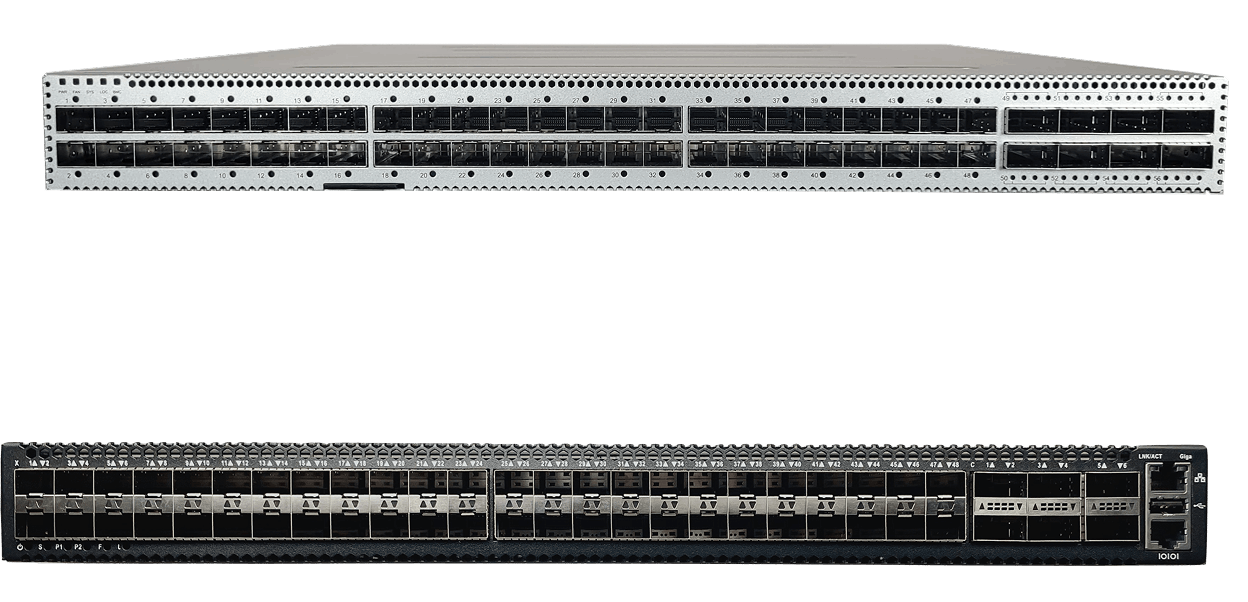
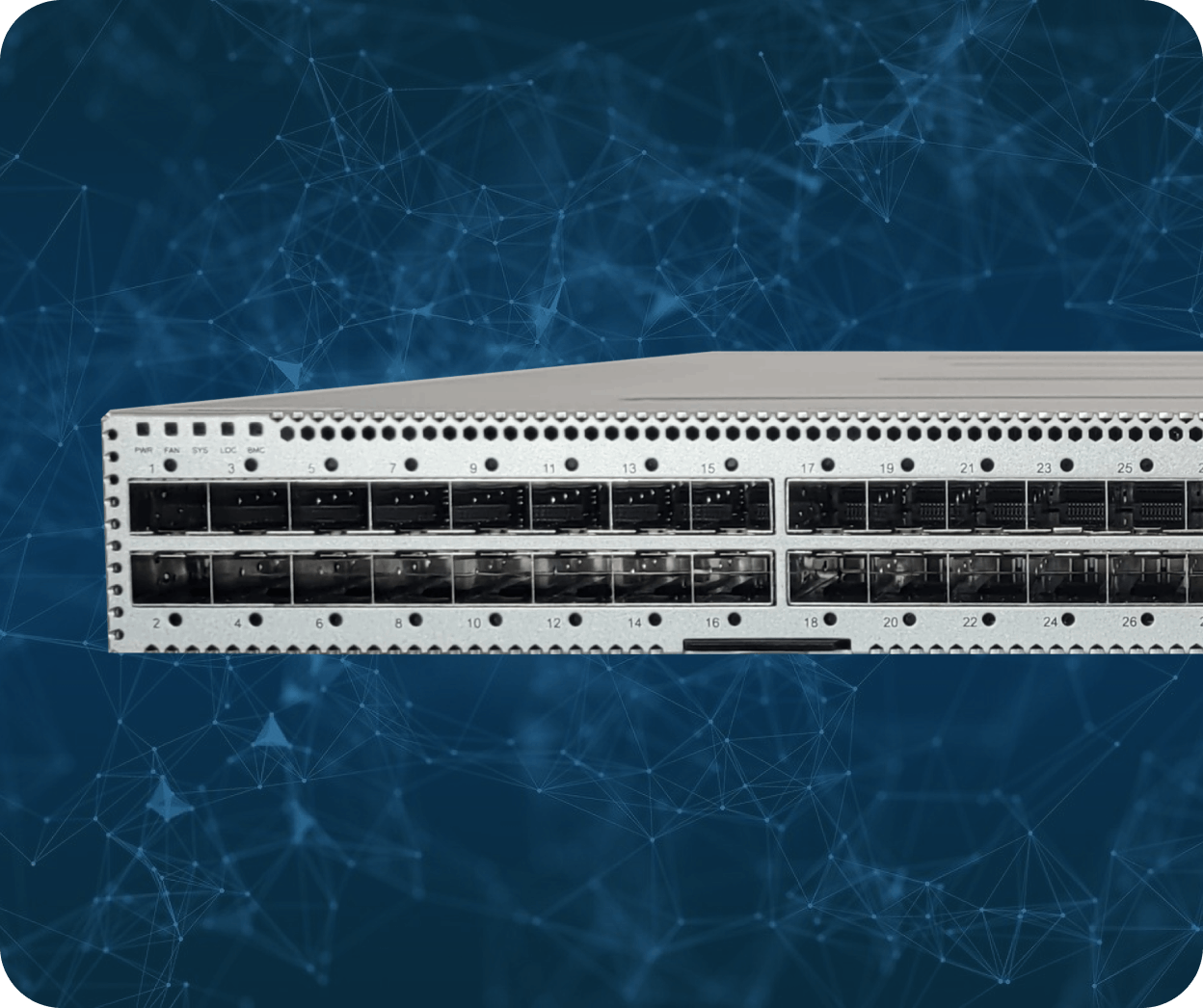
SmartNA-PortPlus aggregates TAP feeds from multiple trading floor links into a single 1U platform, feeding fewer, better-utilized monitoring tools instead of licensing full port counts across every appliance you run. 

Best zero-latency network TAPs solution for trading floors

Passive Fiber Optical TAPs

  • Zero-power design: no electronics in the traffic path, so there is nothing to fail
  • Insertion loss as low as 1.3dB, preserving signal integrity on long-haul fiber runs
  • Up to 16 TAPs per 1RU, the highest port density for space-constrained trading floor racks
  • Preconfigured split ratios ship ready to deploy, with no ongoing configuration or maintenance
  • Multi-mode fiber support at 1G to 10G and single-mode fiber at 1/10/40/100G
  • One-way, passive design that cannot be hacked or remotely reconfigured
  • Full duplex capture including errors, feeding a complete mirror to monitoring tools
  • No downtime risk from power loss, since the TAP itself draws no power
SmartNA-PortPlus on blue background
person typing on futuristic laptop

When Passive Fiber Optical TAPs are the right fit

  • You're protecting a trading floor where any added latency directly costs execution quality
  • You need complete, audit-grade capture for MiFID II, SOX, or trade surveillance review
  • You're feeding fraud detection or IPS tools inline and can't risk a tool failure taking down the link
  • You operate across multiple regions and need to aggregate capture without forcing traffic across borders

Case studies: zero-latency network TAPs in trading floors

HSBC

HSBC needed zero-latency monitoring across a global banking network spanning the UK to Hong Kong, without adding risk to live trading and transaction traffic. Network Critical deployed Passive Fiber Optical TAPs alongside SmartNA modular TAPs, giving HSBC a fail-safe, hot-swappable visibility architecture across every region it operates in. 

Read more

Darktrace

No dedicated trading floor SOC case study currently exists in project knowledge, so this deployment is included as a cross-sector parallel. Network Critical's SmartNA-PortPlus fed a Darktrace AI threat detection platform via API integration, solving the same tool-oversubscription problem that trading floor SOC teams face when raw mirrored traffic overwhelms detection tools. 


Read more
HSBC


I had great pleasure in working with HSBC and their senior network teams to create and deploy a unique global visibility network that maximizes their current and future monitoring requirements. " 

 —  Senior Technical Consultant, HSBC 


Why SPAN ports fail for trading floors 

SPAN adds latency trading floors can't afford

Switch-based SPAN mirroring adds processing delay before a copy ever reaches your monitoring tools, and that delay compounds under load. On a trading floor, added latency isn't a technical footnote, it's lost execution quality and lost revenue on every affected trade. 

SPAN drops packets exactly when surveillance needs them most

SPAN ports deprioritize mirrored traffic under CPU load, and packet loss gets worse during the volume spikes that surveillance and fraud detection tools exist to catch. Network Critical's Passive Fiber Optical TAPs capture full duplex traffic passively, with nothing to overload. 

SPAN can't produce MiFID II grade audit trails

A switch's SPAN feature was built for troubleshooting, not compliance evidence. It offers no guarantee of complete capture and no defensible chain of custody. Network Critical's TAPs deliver a verifiable, complete copy of every packet, including errors. 

Why choose Network Critical for zero-latency network TAPs

Network Critical has spent over 20 years engineering TAPs that add zero latency and drop zero packets, proven in deployments like HSBC's global banking network monitoring. For trading floors, that track record matters more than any subscription-based platform's feature list.

Passive Fiber Optical TAPs and SmartNA-PortPlus give trading floor teams a hybrid access and aggregation architecture with no per-port licensing, no forced upgrades, and no recurring subscription fees, a materially lower three-year cost than enterprise visibility platforms built around annual contracts.

Whether the requirement is MiFID II audit evidence, fail-safe inline fraud tooling, or SOC integrations like the Darktrace deployment above, Network Critical's finance sector experience means the visibility layer never becomes the thing slowing your trading floor down.

Frequently asked questions about zero-latency network TAPs for trading floors 

  • A zero-latency network TAP is a passive hardware device that copies full duplex traffic to a monitoring tool without adding delay to the live link. Passive fiber versions achieve this by splitting the optical signal itself, with no active electronics in the traffic path. 
  • Passive Fiber Optical TAPs split the optical budget on a fiber link, sending a predetermined amount of light through to the live network and the balance to monitoring tools. Because there is no active processing, live traffic passes through at full speed with no added delay. 
  • SPAN ports are a switch feature designed for troubleshooting, not audit evidence. They drop packets under load and offer no guarantee of complete capture, which is exactly the gap regulators flag. See network TAPs vs SPAN for a fuller comparison. 

  • Yes. Passive TAPs mirror 100% of traffic, including errors, giving compliance and surveillance teams a complete, defensible record rather than a statistical sample. This is a common requirement across finance sector deployments. 
  • No. The TAPs contain no active electronics and draw no power, so there is nothing inside them to fail. Live traffic passes through the fiber connection itself, independent of the TAP's monitoring function. 
  • Bypass TAPs sit inline with fraud detection or IPS appliances and use heartbeat monitoring to detect a tool failure, automatically rerouting traffic so the trading link stays up while the tool is serviced or replaced. 
  • An oversubscribed fraud detection tool drops packets or falls behind. Pairing TAPs with a packet broker filters and load-balances traffic across multiple tools, so no single appliance is overwhelmed during volume spikes. 

  • SmartNA-PortPlus aggregates TAP feeds from up to 194 ports at 1.8 Tbps of throughput, consolidating distributed trading floor links into a single monitoring architecture without forcing traffic across regional boundaries. 
  • A TAP is a passive access point that copies traffic off a link. A packet broker is an intelligent aggregation layer that filters, load-balances, and distributes that captured traffic to the right monitoring or security tools. 
  • Yes. Network Critical's monitoring architecture outputs standard PCAP-compatible traffic that works with any SIEM, NDR, or surveillance platform, with no proprietary lock-in to a single vendor's ecosystem. 

  • Passive TAPs ship preconfigured to the required split ratio and require no ongoing setup, so deployment is largely a physical installation task. Talk to sales to scope a deployment timeline for your specific site count. 
  • Yes. The same passive optical architecture used on trading floors also serves security-critical environments across telecom, data center, and industrial sectors wherever zero packet loss and zero added latency are non-negotiable.