




<img src="https://secure.leadforensics.com/97241.png" style="display:none;">

Passive fiber TAPs for OT and remote sites

Network Critical provides passive fiber TAPs for OT and remote sites running production networks that cannot tolerate active devices, added power draw, or SPAN-based sampling.

Network teams at these organisations run Network Critical visibility

  • Vodafone Logo
  • HSBC Logo
  • bp logo
  • Airbus Logo
  • Darktrace Logo

Network visibility for OT and remote industrial sites

Industrial operators are digitizing monitoring across control systems that were never designed to be watched remotely, across sites that are geographically scattered and often without reliable mains power. A single passive fiber TAP deployment can connect switches, firmware, and security tooling across a refinery spanning ten or more buildings without adding one active device to the OT path. Because the TAPs draw no power, they keep working through the glitches common at remote platforms, and because they ship preconfigured, field crews simply plug them in. That combination lets a small central team monitor equipment inventory, firmware state, and traffic patterns across every remote site from one location, closing the response-time gap that once meant hours of travel for every alarm.

 Key challenges facing OT and remote industrial teams 

Any active device in the OT path is a safety risk
Change control teams reject anything that could interrupt production, and that includes most monitoring hardware. Network Critical's passive fiber TAPs carry no active electronics, so there is nothing in the traffic path that can fail, reboot, or need a change window to install.
Remote sites lack power, space, and cooling for active equipment
Drilling platforms, substations, and remote cabinets rarely have spare power capacity or climate control. Active TAPs and SPAN-fed appliances need both. Network Critical's Passive Fiber Optical TAPs draw no power at all, removing that constraint entirely, which is why it is the default choice once a site sits outside the main facility.
SPAN ports run out of capacity and drop packets under load
Every additional monitoring tool needs its own SPAN session, and switches only have so many to give. When traffic spikes during an incident, exactly when forensic accuracy matters most, SPAN ports are the first thing to start dropping frames.
IT/OT convergence is widening the attack surface faster than visibility can keep up
Connecting control systems to IT and cloud services for efficiency gains also exposes them to threats that never used to reach the plant floor. Security tools need a complete, unaltered copy of OT traffic to spot anomalies, not a sampled one.

Why OT and remote site teams come to Network Critical 

We're preparing for an IEC 62443 certification program and need continuous capture across every change window 

We're converging IT and OT networks and need visibility that won't cross the safety boundary 

Ransomware in an adjacent sector put OT monitoring on the board agenda this quarter 

We just failed a loss-of-view safety audit and need a fail-safe fix 

We're digitizing remote platforms and can't add power or active hardware to the site 

We're consolidating monitoring tools without adding a single point of failure to production 

Key capabilities for OT and remote sites 

Zero-power, fail-safe capture

Network Critical's passive fiber TAPs use no power at all, so there is no risk of the network being affected by a power glitch or outage. All live traffic passes through at full speed while a complete mirror copy, including errors, is sent to monitoring and security tools. 

High port density in a compact footprint

TAP cabinets at remote sites rarely have room to spare. The Passive Fiber Optical LC TAP line fits up to 16 TAPs in a single 1RU chassis, and insertion loss as low as 1.3dB keeps signal quality high across long fiber runs. 

Preconfigured, zero-touch deployment

Units ship preconfigured to the required split ratio for 1 to 10Gbps multi-mode fiber or 1/10/40/100Gbps single mode fiber. Field crews connect the network and tools ports and the TAP is live, with no ongoing configuration or maintenance to manage remotely. 

Centralized monitoring across multiple buildings or platforms

Because every TAP delivers a complete, passive copy of traffic, a single team can monitor switches, firmware, and security posture across a multi-building refinery or a scattered set of remote platforms from one control room. 

Best passive fiber TAPs solution for OT and remote sites

Passive Fiber Optical TAPs are Network Critical's zero-power, zero-configuration answer to OT environments where any active device is a liability and any downtime is unacceptable, built for sites where power, space, and crew time are all constrained.

Passive Fiber Optical TAPs: fail-safe capture for OT and remote sites

  • Up to 16 TAPs in a single 1RU chassis (Passive Fiber Optical LC TAPs)
  • MPO TAPs available for 40G and 100G high-speed links with MTP elite connectors
  • BiDi TAPs purpose-built for Cisco 40G BiDi infrastructure
  • Insertion loss as low as 1.3dB
  • No power required, so no risk from remote-site power glitches or outages
  • Preconfigured split ratio, no ongoing configuration or management
  • Multi-mode fiber support at 1 to 10Gbps, single mode fiber at 1/10/40/100Gbps
  • Full duplex capture including errors, with zero impact on live traffic
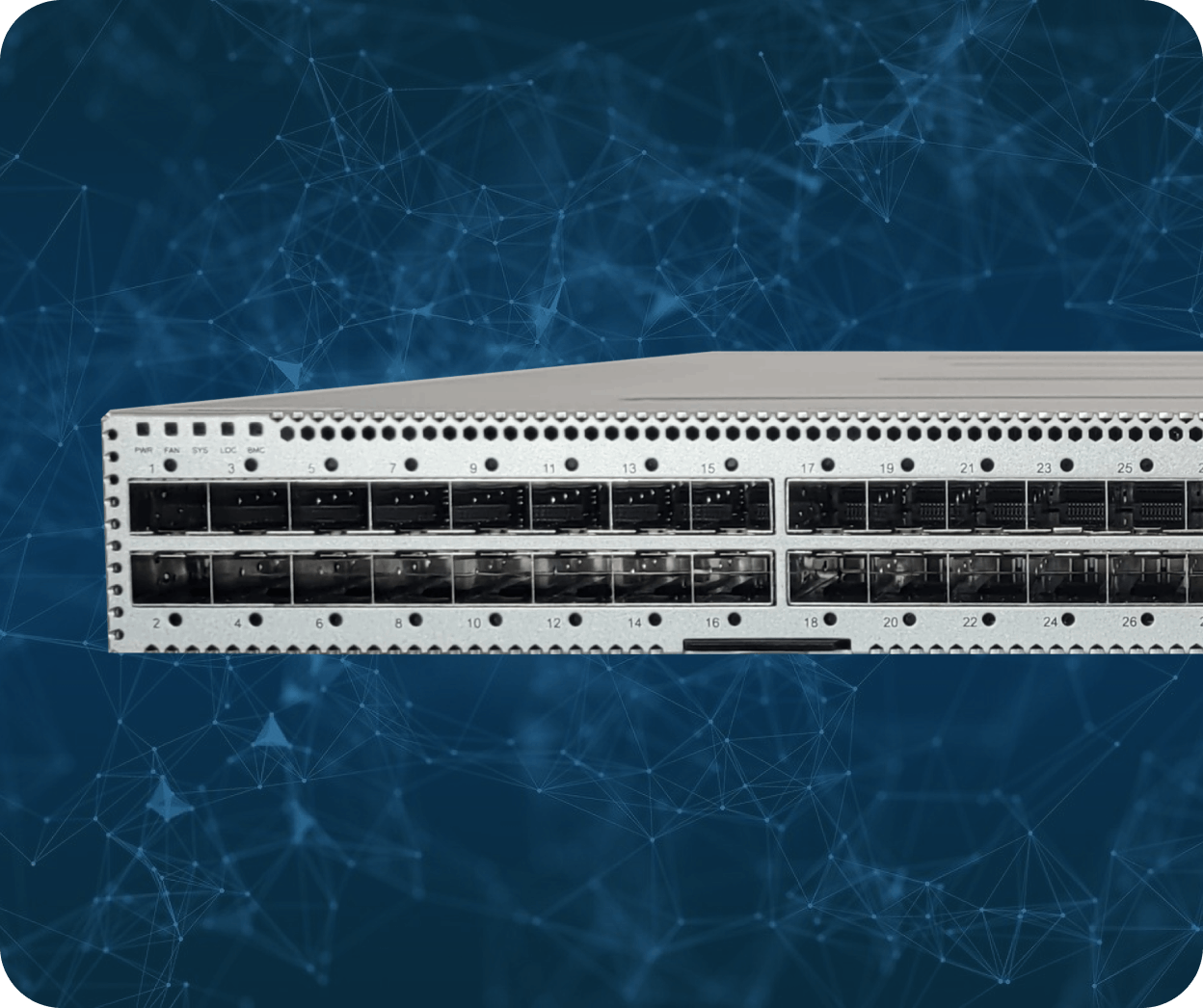
SmartNA-PortPlus on blue background
person typing on futuristic laptop

When Passive Fiber Optical TAPs is the right fit

  • You're monitoring remote or unmanned sites with no reliable power for active devices
  • You need zero-configuration deployment that a field crew can install without specialist network training
  • You're consolidating monitoring and security tool access across a multi-building or multi-platform site
  • You need full duplex capture, including errors, with zero risk of impacting live OT traffic
  • Explore the OT cybersecurity approach this fits into

Case studies: passive fiber TAPs for OT and remote sites

BP

BP chose Network Critical Passive Fiber Optical TAPs to connect monitoring and security tools across refineries spanning ten to twelve buildings, plus remote drilling platforms with limited power and space. The zero-power TAPs let a small central team monitor firmware, switches, and security posture without travelling to every remote site. 

Read more

Darktrace

Darktrace integrates its AI threat detection platform with Network Critical's SmartNA-PortPlus over API for full-fidelity SOC visibility. It is not an OT-specific deployment, but it shows the same principle at work: security tools need a complete, unaltered traffic feed to detect anomalies reliably. 

Read more
BP-1


Continuous monitoring is critical to digitization and automation of our many monitoring systems. Being able to monitor remote sites from a single location keeps our systems up to date without having a large staff running around in trucks." 

 —  Senior Project Manager, BP 


Why SPAN ports fail for OT and remote sites 

SPAN needs an active device in the OT path

Every SPAN-fed monitoring tool still needs a switch configuration and an active connection point, both of which change control teams treat as safety risks. Passive fiber TAPs add zero active components to the path. 

SPAN capacity runs out fast at multi-building or multi-platform sites

Each additional monitoring or security tool needs its own SPAN session, and switches only have so many available. Sites spanning ten or more buildings exhaust SPAN capacity long before they exhaust their monitoring requirements. 

SPAN depends on power and configuration that remote sites don't reliably have

A SPAN session lives on an active switch that needs continuous power and periodic management. Remote platforms and cabinets are exactly where that dependency is most likely to fail, and least likely to get fixed quickly. Explore OT network monitoring built around that constraint. 

Why choose Network Critical for passive fiber TAPs

Network Critical has been protecting operational technology in some of the most demanding industrial environments for over 20 years, with a deployment record that includes BP's multi-building refineries and remote drilling platforms. The same zero-power, fail-safe passive TAP technology has proven itself at global scale in HSBC's cross-border financial network, and integrates with modern SOC tooling through partnerships like the Darktrace API integration.

For OT and remote-site teams, that track record matters more than a feature list. A passive fiber TAP has no firmware to patch, no power supply to fail, and no configuration to drift out of date at a site nobody visits for months at a time.

Network Critical pairs that hardware reliability with straightforward OT cybersecurity positioning: tool-agnostic output, perpetual licensing, and no forklift upgrades as sites grow. When it's time to move past SPAN, talk to sales about a fail-safe deployment plan for your sites.

Frequently asked questions about passive fiber TAPs for OT and remote sites 

  • A passive fiber TAP splits the optical signal on a live link, sending a predetermined share of the light to a monitoring or security tool while full-speed traffic continues uninterrupted. It has no active electronics, so it cannot fail, reboot, or introduce a safety risk into the OT path. 
  • Passive TAPs add zero active components to the network, which is the deciding factor for OT change control teams. SPAN ports rely on switch configuration and can drop packets under load, both of which are unacceptable where safety and production continuity come first. 
  • Yes. Network Critical's passive fiber TAPs use no power whatsoever, so there is no risk of the network being affected by power glitches or outages, which are common at remote drilling platforms, substations, and cabinets far from mains supply. 
  • Network Critical's passive fiber TAPs give security tools a complete, unaltered copy of OT traffic without bridging IT and OT networks together, letting teams monitor the convergence boundary without weakening the safety separation it depends on. 

  • The Passive Fiber Optical LC TAP line fits up to 16 TAPs into a single 1RU chassis, giving OT teams high port density in the compact network TAP footprint that remote cabinets and platform racks typically allow. 
  • No. Units ship preconfigured to the required split ratio, so field crews connect the network and tools ports and the TAP is live. There is no firmware, no management interface, and nothing to maintain remotely. 
  • Passive fiber TAPs support multi-mode fiber at 1 to 10Gbps and single mode fiber at 1/10/40/100Gbps, with MPO variants available for 40G and 100G links and BiDi TAPs for Cisco 40G BiDi infrastructure. 

  • Continuous, unaltered traffic capture is central to IEC 62443 segmentation monitoring. Passive fiber TAPs provide that capture without adding an active device to the OT path, supporting OT cybersecurity programs that need evidence, not just intent. 
  • Yes. BP uses Network Critical Passive Fiber Optical TAPs to connect monitoring and security tools across refineries spanning ten to twelve buildings, letting a small central team watch every site without constant travel. Read the BP case study for the full deployment. 
  • Passive fiber TAPs are purely optical and need no power, making them the default for fail-safe, remote-site deployments. Hybrid TAP and packet broker configurations add aggregation and filtering for sites that need to consolidate traffic to fewer tools. 

  • Yes. BP selected Network Critical Passive Fiber Optical TAPs to monitor and protect both IT and OT systems across multi-building refineries and remote platforms, a deployment documented in the BP case study
  • By capturing a complete, passive copy of traffic at every site and feeding it to tools in a central control room, passive fiber TAPs let a small crew monitor equipment inventory, firmware, and security posture everywhere at once, without dispatching engineers for every alarm.