




<img src="https://secure.leadforensics.com/97241.png" style="display:none;">

Network visibility for industrial OT environments

Network Critical provides network visibility for industrial OT environments running fail-safe passive monitoring across production networks that cannot tolerate downtime.

Network teams at these organisations run Network Critical visibility

  • Vodafone Logo
  • HSBC Logo
  • bp logo
  • Airbus Logo
  • Darktrace Logo

Continuous capture for production networks that cannot go dark

Industrial control networks were built to run for decades without interruption, and that stability is now colliding with IT/OT convergence, ransomware targeting critical infrastructure, and auditors asking for segmentation proof. Operational technology teams cannot risk an active device on a Modbus or DNP3 link, and cannot accept a change window measured in hours rather than months. Network Critical's passive fiber TAPs and hybrid TAP and packet broker chassis connect monitoring and security tools to production links without adding a single active component to the path. The BP case study shows this working across a multi-building refinery footprint, where remote access, zero power draw, and continuous capture mattered more than any other requirement.

 Key challenges facing industrial OT environments 

Any active device is a safety risk first
Any active device inline on a production link is a safety risk before it is anything else. OT security leads reject monitoring that could interrupt a Modbus, DNP3, or SCADA link, which is why Network Critical's passive fiber optical TAPs carry no power and no point of failure into the path.
East-West blind spots at the IT/OT boundary
Corporate IT and OT visibility only overlap where both networks meet, and that boundary is where most blind spots live. East-West traffic between PLCs, historians, and SCADA servers rarely reaches a SPAN port, leaving segmentation audits and anomaly detection working from an incomplete picture of the network.
Change windows measured in months, not hours
Production windows on plant networks are measured in months of planning, not the hours an IT change board might expect. Any TAP deployment has to plug in during a brief maintenance window with no SCADA reconfiguration, which is why Network Critical's SmartNA-XL hybrid TAP modules ship pre-configured and plug-and-play.
Legacy equipment with no room for change
Equipment on the plant floor can run for twenty years or more, long after firmware updates or vendor support end. Visibility tools have to work alongside that legacy hardware without requiring OEM sign-off or touching the control system itself.

Why industrial OT teams come to Network Critical 

We help you certify to IEC 62443 without touching a single production link. 

We connect visibility tools during a two to four hour maintenance window, not a shutdown.

 We give plant engineers a GUI they can run without a network specialist on site. 

We close the East-West blind spot between corporate IT and the OT floor.

 We replace SPAN sessions that quietly drop packets during the incident that mattered most. 

We provide audit-ready capture evidence auditors and insurers accept without a fight. 

Key capabilities for industrial OT environments 

Fail-safe passive optical capture

Network Critical's passive fiber optical TAPs split the optical budget on a live link, sending a full duplex mirror copy to monitoring and security tools while production traffic keeps flowing at full speed. No power, no configuration, and no active component the network can fail on. 

Hybrid TAP and packet broker in one chassis

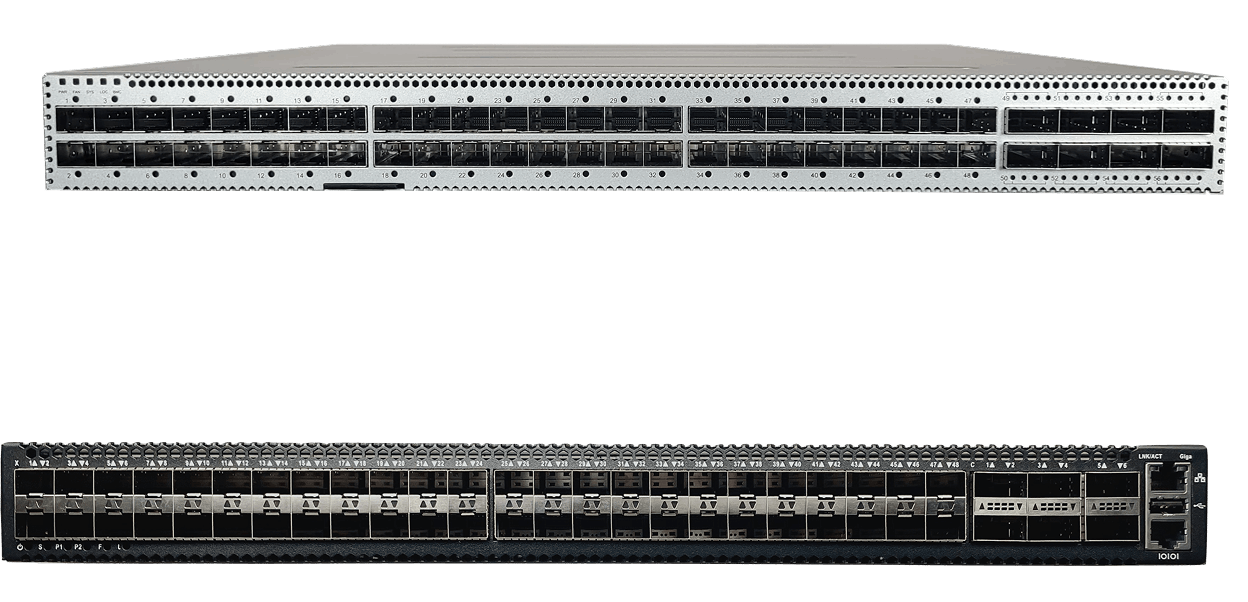
Network Critical's SmartNA-XL combines TAP and packet broker functions in a single 1RU chassis, aggregating lower speed legacy links into fewer monitoring tool ports. Even during a power loss, live traffic continues through the hybrid TAP without interruption.


IT/OT boundary protection

Network Critical's Bypass TAPs protect the IT/OT boundary where inline security tools sit. If an appliance goes offline, traffic reroutes automatically around it in real time, so a failed tool never becomes a production outage. 

Invisible zero trust segmentation

Network Critical's INVIKTUS gives OT networks an invisible zero trust layer with no IP or MAC address for an attacker to target. Policy-based Lock and Leave configuration runs in the background, validating every device before it earns access. 

Best network visibility for industrial OT environments 

Passive Fiber Optical TAPs

  • Zero power dependency: optical TAPs need no electrical power, so there's no active component to fail in remote or space-constrained sites
  • One-way traffic replication prevents any data backflow into the production network
  • Up to 16 TAPs per 1RU for space-constrained cabinets and remote enclosures
  • Insertion loss as low as 1.3dB minimizes signal degradation on long fiber runs
  • Support for 1G/10G LC TAPs and 40G/100G MPO TAPs across multi-mode and single-mode fiber
  • No configuration or ongoing maintenance required, ships pre-set to the split ratio you need
  • Compatible with major monitoring, SCADA-aware, and OT security tools through standard PCAP output
  • Pairs with SmartNA-XL hybrid TAP modules for sites needing bypass or in-line failover at the IT/OT boundary
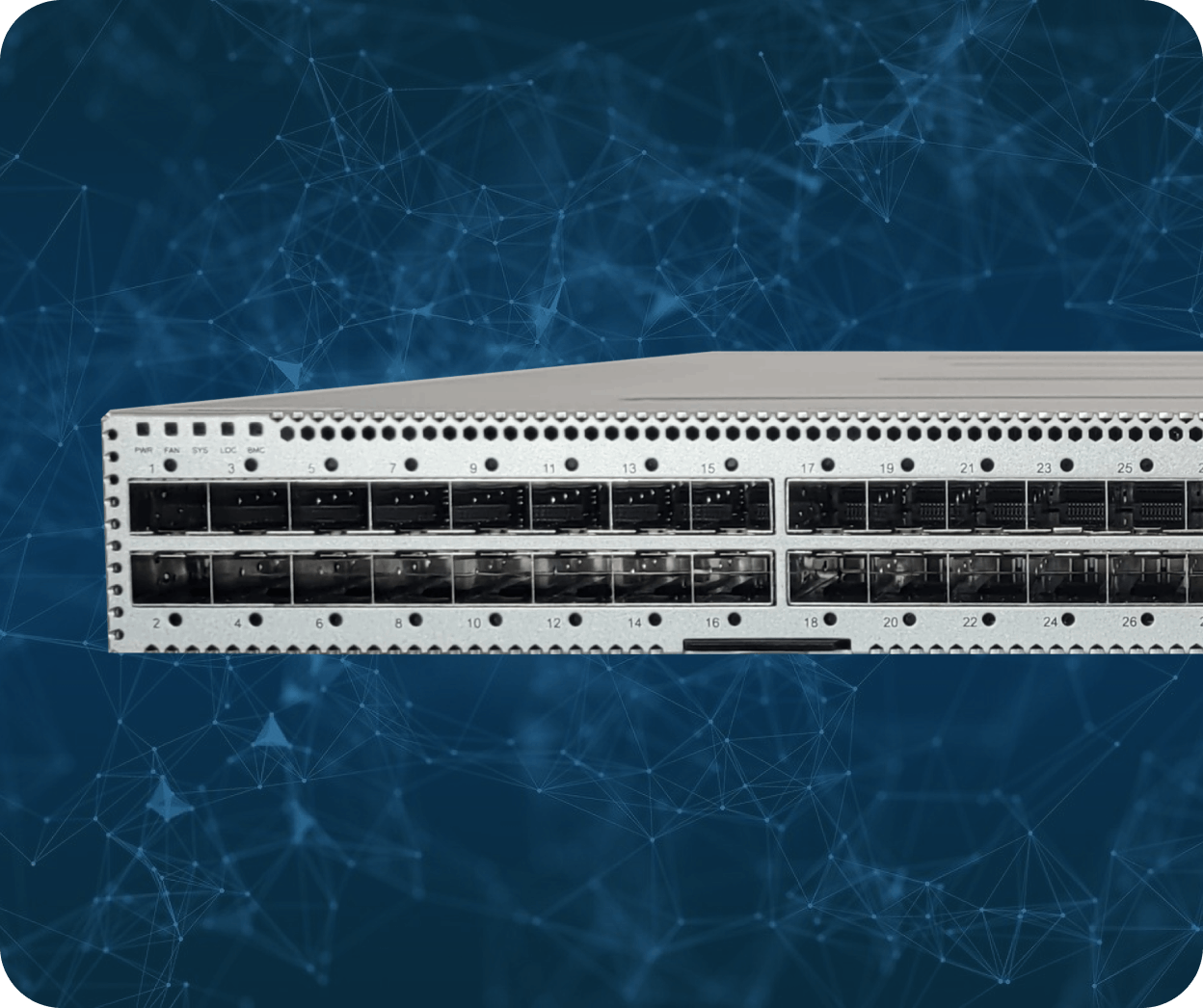
SmartNA-PortPlus on blue background
person typing on futuristic laptop

When passive fiber TAPs are the right fit

  • You need fail-safe monitoring with zero active devices in the OT path
  • You are certifying to IEC 62443 and need continuous capture across every change window
  • You are deploying across remote sites with no power, space, or cooling for active TAPs
  • You are integrating IT and OT visibility on one platform without compromising OT safety

Case studies: network visibility for industrial OT environments

BP

BP connected monitoring and security tools across refineries spanning ten to twelve buildings using Network Critical's passive fiber optical TAPs. The passive connection requires no power, so remote platforms and space-restricted refinery buildings get full duplex capture without adding a single active device to production links.

Read more

Darktrace

Darktrace pairs its unsupervised machine learning engine with Network Critical's SmartNA-PortPlus API, letting the security tool control its own filtering and port mapping as it learns normal traffic. It's a cross-sector parallel for OT teams converging IT-style automated threat detection onto the plant network.

Read more
BP-1


In addition to monitoring control systems, we have security tools that understand our traffic patterns and look for anomalies that might signal malware or viruses attempting to embed in our systems." 

 —  Director, BP 


Why SPAN ports fail for industrial OT environments 

SPAN puts an active device where none is allowed

 SPAN requires an active switch session sitting in the middle of a Modbus, DNP3, or SCADA link, an automatic disqualification for most OT security leads. Network Critical's passive fiber optical TAPs carry no power and no configuration, so nothing on the link can fail or be attacked. 

SPAN reconfiguration risks the change window itself

A production change window on a plant network can be months in the planning, and SPAN reconfiguration during that window risks the exact disruption OT teams are trying to avoid. Network Critical's SmartNA-XL deploys and reconfigures through Drag-n-Vu without touching SCADA or PLC settings. 

SPAN cannot survive remote sites or peak load

Remote platforms, substations, and refineries rarely have the power, space, or cooling budget for active SPAN infrastructure. SPAN also drops packets under load, exactly when a safety incident or intrusion needs a complete record, leaving auditors and insurers with an incomplete picture. 

Why choose Network Critical for network visibility in industrial OT environments

Industrial OT teams cannot afford to learn about a monitoring gap after production stops. Network Critical's passive fiber optical TAPs and hybrid SmartNA-XL chassis put zero active components on the link, which is the single non-negotiable requirement OT security leads apply before anything else.

BP relies on Network Critical to monitor and protect both IT and OT systems across a multi-building refinery footprint, and the same passive TAP architecture underpins zero-latency monitoring at HSBC and multi-generation compliance capture at Vodafone. Darktrace's API integration with SmartNA-PortPlus shows how far the same platform reaches into automated threat response.

No subscription lock-in, a Drag-n-Vu interface plant engineers can run themselves, and INVIKTUS zero trust segmentation for the IT/OT boundary. Twenty years of deployments across regulated critical infrastructure back every claim on this page.

Frequently asked questions about network visibility for industrial OT environments 

  • Network visibility for industrial OT environments means capturing 100% of traffic on SCADA, PLC, and Modbus links without adding an active device to the path. Network Critical delivers this through passive fiber optical TAPs and hybrid SmartNA-XL chassis, built for production networks that cannot tolerate downtime.


  • SPAN mirrors traffic on a shared switch resource, and it drops packets under load exactly when a safety incident or intrusion needs a complete record. It also puts an active session in the path of a link that OT change-management policy usually forbids touching. Read more in network TAPs vs SPAN
  • A fail-safe network TAP keeps live traffic flowing even if the TAP itself loses power or fails. Network Critical's passive optical and hybrid bypass modules are built specifically so a hardware fault never becomes a production outage on the monitored link. 

  • Passive fiber optical TAPs split the optical budget on a live link, sending a full duplex mirror copy to monitoring tools while production traffic passes through unaffected. They draw no power, so there's no active component that can fail and interrupt the link. 
  • Yes. IEC 62443 requires segmentation monitoring and documented OT visibility evidence, and Network Critical's passive TAPs architecture produces audit-ready PCAP capture without the production risk that an active inline device would introduce on the certified link. 
  • IT monitoring typically tolerates brief packet loss and rapid change. OT monitoring cannot, because a dropped packet or a misconfigured switch can mean a missed safety signal. Network Critical's OT cybersecurity approach applies IT-grade visibility with zero-touch, fail-safe deployment built for production constraints. 
  • Passive fiber TAPs connect to the physical link between the switch and the SCADA server or historian, mirroring Modbus and DNP3 traffic to a monitoring tool without inserting any active device. Network Critical's SmartNA-XL then aggregates and filters that traffic before it reaches the tool. 

  • A hybrid TAP and packet broker combines the physical access function of a TAP with the aggregation, filtering, and load-balancing intelligence of a packet broker in one chassis. Network Critical's SmartNA-XL delivers both functions in a single 1RU unit built for space-constrained sites. 
  • Network Critical connects IT and OT visibility through a shared passive TAP and packet broker architecture, so corporate security tools receive OT traffic without corporate IT ever touching the production network directly. INVIKTUS adds an invisible zero trust layer at the boundary itself. 
  • INVIKTUS is a zero trust security layer with no IP or MAC address, so it cannot be detected or attacked from the network it protects. It validates every device before granting access and runs on a Lock and Leave policy model with minimal ongoing maintenance, detailed on the INVIKTUS product page. 

  • Network Critical's Drag-n-Vu interface and passive, plug-and-play TAP modules are designed to deploy inside a single maintenance window of two to four hours, with no SCADA reconfiguration and no specialist network engineer required on site. 
  • Network Critical's perpetual licensing model runs 40 to 60 percent lower over three years than subscription-based enterprise platforms, with no recurring per-port fees. Multi-site OT deployments benefit most, since SmartNA-XL scales incrementally instead of forcing a forklift upgrade at every plant.