




<img src="https://secure.leadforensics.com/97241.png" style="display:none;">

Network visibility for government networks

Network Critical provides network visibility for government networks running Zero Trust architectures, legacy TDM to IP migrations, and compliance-driven infrastructure at scale.

Network teams at these organisations run Network Critical visibility

  • Vodafone Logo
  • HSBC Logo
  • bp logo
  • Airbus Logo
  • Darktrace Logo

How government agencies deploy Network Critical for compliance grade visibility

Government and defense networks operate under Zero Trust mandates, multi-agency compliance frameworks, and long procurement cycles that most commercial visibility products were never built to survive. Network Critical's SmartNA-PortPlus and INVIKTUS give federal, state, and local IT teams a way to capture, aggregate, and secure network traffic without the packet loss that undermines audit evidence or the vendor lock-in that stalls procurement. The State of Maryland Department of IT used Network Critical's SmartNA-XL to maintain visibility through a multi-year TDM to IP migration, keeping voice and data services auditable and reliable throughout. That same principle, complete capture with no forklift replacement, applies whether an agency is modernizing legacy communications or rolling out Zero Trust Architecture across a distributed network.

 Key challenges facing government networks 

SPAN blind spots undermine compliance evidence
Standard SPAN ports drop packets under load, exactly when auditors need a complete traffic record. Network Critical's Passive Fiber Optical TAPs capture every packet at line rate, giving compliance and Zero Trust verification teams an audit trail SPAN cannot guarantee.
Zero Trust mandates demand continuous verification
US Executive Order 14028 and UK NCSC guidance require continuous validation of users, applications, and devices, not periodic sampling. Network Critical's INVIKTUS enforces a Trust No-one policy at line rate, keeping protected systems invisible to unauthorized traffic.
Legacy TDM to IP migration complexity
Agencies migrating voice services from TDM to IP inherit congestion, packet loss, and new attack surface all at once. Full traffic visibility during the transition lets network teams catch performance and security issues before they affect service availability.
Multi-agency network consolidation
Consolidating networks across departments multiplies the volume of traffic that monitoring tools must ingest. Network Critical's SmartNA-PortPlus scales from 48 to 194 ports on a single chassis, so consolidation does not mean a forklift upgrade or a new SKU for every tool.

Why government and defense teams come to Network Critical 

We're implementing Zero Trust Architecture under EO 14028 or NCSC guidance. 

We're migrating from TDM voice services to IP and can't lose visibility mid-transition.

We need compliance-grade audit evidence, not sampled SPAN traffic. 

We're consolidating multiple agency networks onto one visibility platform. 

We're renewing an incumbent contract and want transparent, perpetual licensing. 

We need vendor-neutral visibility that plugs into our existing security stack. 

Key capabilities for government networks 

Zero-packet-loss capture at line rate

Network Critical's SmartNA-PortPlus captures traffic at full line rate up to 1.8 Tbps of non-blocking throughput, so audit trails and Zero Trust verification logs are built on complete data, not samples. 

Zero trust segmentation

INVIKTUS enforces a Trust No-one policy with no IP or MAC address of its own, keeping protected systems invisible to unauthorized users while giving authorized staff one defined path through the network. 

Scale-out without forklift upgrades

SmartNA-PortPlus grows from a 48-port base unit to 194 ports by adding expansion units, so agency network consolidation and capacity growth never require replacing existing hardware. 

Compliance-grade authentication and management

RADIUS and TACACS+ authentication, SNMPv3 integration, and Drag-n-Vu's drag-and-drop configuration give network teams an auditable trail of who changed what, without needing specialist engineering time for routine changes. 

Best network visibility for government networks solution 

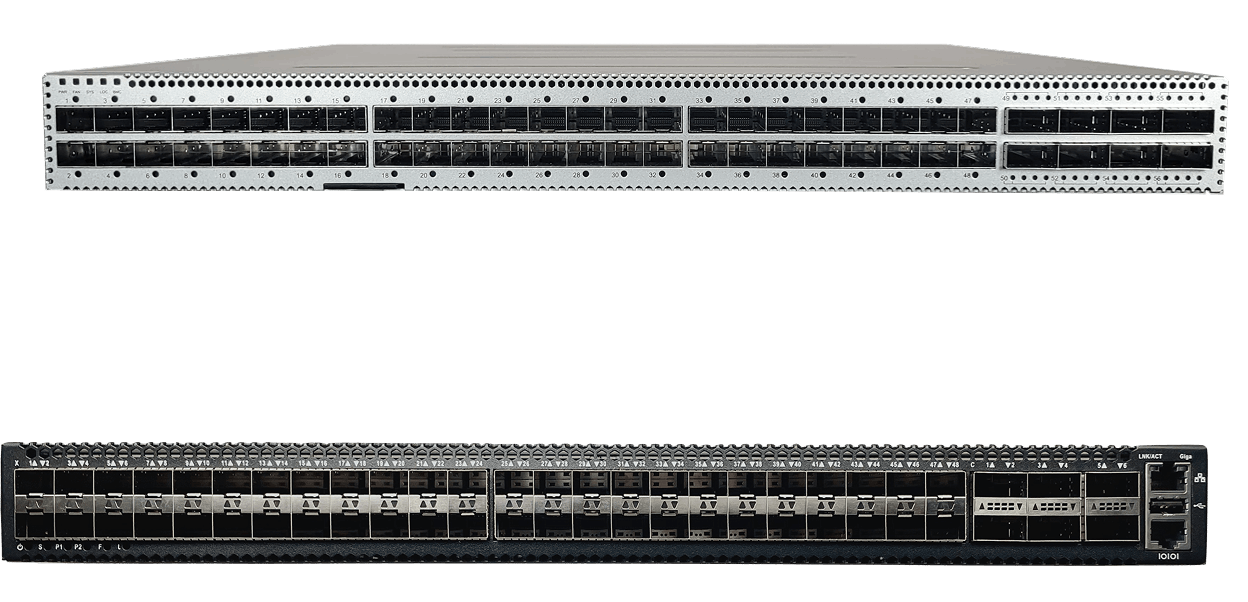
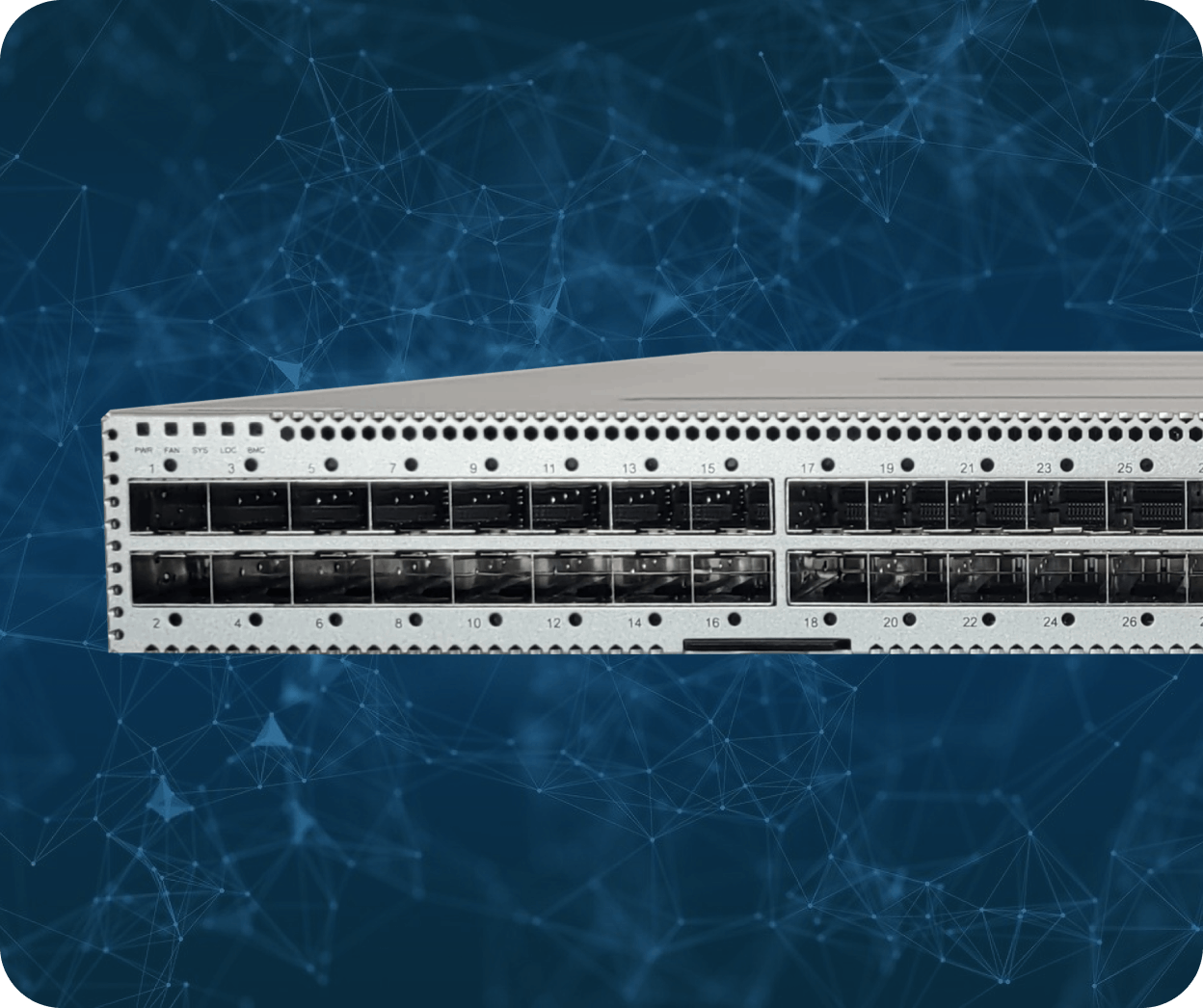
Government networks need a packet broker that scales with agency consolidation and Zero Trust rollout without replacing hardware every budget cycle. SmartNA-PortPlus delivers that in a single 1RU chassis.

  • 48 x 1/10G ports plus 6 x 40/100G ports in the base unit, scaling to 194 ports of 1/10/25/40/100G
  • Non-blocking architecture with 1.8 Tbps line rate system throughput
  • RADIUS and TACACS+ authentication, authorization, and accounting for audit trail and accountability
  • SNMPv3 integration with major network management systems
  • Dual hot swap power supplies and fans for continuous availability
  • Managed through Network Critical's Drag-n-Vu for single pane of glass configuration
  • Custom P-Tag functionality for complex traffic processing workflows
  • Session aware load balancing by IP address, protocol, port, VLAN, or MAC address
SmartNA-PortPlus on blue background
person typing on futuristic laptop

When SmartNA-PortPlus is the right fit

  • You're modernizing legacy TDM voice or data infrastructure to IP and need full traffic visibility throughout the migration.
  • You're implementing Zero Trust Architecture and need continuous verification, not sampled SPAN traffic.
  • You're consolidating multiple agency networks onto a single visibility fabric without a forklift upgrade.
  • You need transparent, perpetual licensing that survives multi-year government procurement cycles.

Case studies: network visibility for government networks

State of Maryland Department of IT

Maryland's Department of Information Technology used Network Critical's SmartNA-XL to maintain visibility during a multi-year transition from TDM voice services to IP, capturing traffic across all network layers for proactive issue resolution and regulatory compliance auditing throughout the migration, while also supporting the testing of new services as they rolled out.

Read more

Darktrace

Darktrace integrates its AI threat detection platform with Network Critical's SmartNA-PortPlus using an API-driven connection, giving security operations teams autonomous traffic control and full-fidelity feeds for anomaly detection. The same architecture applies to government SOC environments running East-West visibility programs across consolidated agency networks. 

Read more
State-of-Maryland


Network tools like the Network Critical SmartNA-XL™ enables the State to maintain the QoS and QoE of our UC network." 

 —  UC Platform Manager, State of Maryland Department of IT 


Why SPAN ports fail for government networks 

SPAN drops packets when audit evidence matters most

SPAN mirrors traffic on a best-effort basis and drops packets under peak load or during a security incident, exactly when compliance investigators and Zero Trust verification logs need a complete record. Network Critical's Passive Fiber Optical TAPs capture every packet at line rate with zero power dependency. 

SPAN cannot deliver continuous Zero Trust verification

Executive Order 14028 and NIST 800-207 require continuous validation, not periodic sampling. SPAN's oversubscription under load breaks that continuity. Network Critical's INVIKTUS enforces policy-based, line-rate verification that keeps working even as traffic volumes grow. 

SPAN port contention grows with every consolidation

Each new monitoring tool competes for the same limited SPAN ports on a switch. Agency network consolidations and TDM to IP migrations multiply that contention. SmartNA-PortPlus eliminates SPAN port contention entirely, provisioning new tools without touching the production switch. 

Why choose Network Critical for network visibility for government networks

Government and defense agencies choose Network Critical because compliance and Zero Trust mandates leave no room for sampled traffic. The State of Maryland Department of IT relied on SmartNA-XL to keep a multi-year TDM to IP migration auditable and reliable, and the same architecture scales to full agency consolidation through SmartNA-PortPlus.

INVIKTUS gives security teams a zero trust layer with no IP or MAC address of its own, backed by Drag-n-Vu's drag and drop configuration that keeps routine changes inside the agency's own team rather than a vendor's professional services queue. Darktrace's API integration with SmartNA-PortPlus shows the same architecture extending into autonomous SOC workflows relevant to government threat detection.

Perpetual hardware licensing, transparent pricing, and a modular chassis that scales from 48 to 194 ports mean Network Critical fits the long procurement cycles public-sector budgets actually run on. Explore SmartNA-PortPlus or talk to sales to plan a Zero Trust ready visibility rollout.

Frequently asked questions about network visibility for government networks 

  • Network visibility for government networks is the practice of capturing and monitoring 100 percent of network traffic across agency infrastructure without relying on switch SPAN ports. Network Critical's SmartNA-PortPlus and Passive Fiber Optical TAPs deliver zero-packet-loss capture that supports compliance audits, Zero Trust verification, and incident response. 
  • SPAN ports drop packets under peak load because they are a best-effort mirroring feature, not a dedicated capture mechanism. That packet loss breaks the complete audit trail that Zero Trust and agency compliance frameworks require. Network Critical's guide to TAPs versus SPAN explains the difference in detail. 
  • INVIKTUS enforces a Trust No-one policy with no IP or MAC address of its own, so it stays invisible to unauthorized traffic while giving verified users one defined path through the network. It runs at full line rate with policy-based Lock and Leave configuration. 
  • A network TAP is a dedicated hardware device that copies 100 percent of traffic at line rate, while a SPAN port is a switch feature that mirrors traffic on a best-effort basis and drops packets under load. 

  • Yes. SmartNA-PortPlus starts as a 48-port base unit and scales to 194 ports of 1/10/25/40/100G by adding expansion units, without replacing the original chassis, so agencies can consolidate network monitoring as they grow. 
  •  The State of Maryland Department of IT used SmartNA-XL to maintain full traffic visibility while migrating voice services from TDM to IP, catching performance and security issues proactively throughout the transition. 
  • Yes. Network Critical's packet brokers are tool-agnostic and integrate with SIEM, NDR, and threat detection platforms through standard protocols. Darktrace's API integration with SmartNA-PortPlus is one example of that open architecture in an autonomous threat detection workflow. 

  • SmartNA-PortPlus supports RADIUS and TACACS+ authentication, authorization, and accounting, alongside SNMPv3 integration with major network management systems, giving government IT teams an auditable record of configuration changes. 
  • No. Network Critical uses perpetual hardware licensing rather than a subscription model, so government budgets avoid the recurring OpEx increases that come with per-port licensing renewals on the government visibility solutions page
  • Network Critical's Drag-n-Vu interface uses drag and drop configuration, so network administrators can typically complete deployment and reconfiguration without specialist engineering support, reducing project timelines during agency network refreshes. 

  • SmartNA-PortPlus aggregates and filters traffic for monitoring and security tools, while INVIKTUS adds a zero trust security layer that keeps protected systems invisible to unauthorized access. Together they cover both visibility and access control in a single architecture. 
  • Network Critical's packet capture explainer covers how TAPs and packet brokers capture, filter, and forward traffic to monitoring and security tools without impacting live network performance.