




<img src="https://secure.leadforensics.com/97241.png" style="display:none;">

Network visibility for banking and financial services

Network Critical provides network visibility for banking and financial services running latency-sensitive trading platforms, compliance-grade monitoring, and fraud detection infrastructure across global operations.

Network teams at these organisations run Network Critical visibility

  • Vodafone Logo
  • HSBC Logo
  • bp logo
  • Airbus Logo
  • Darktrace Logo

How banks and financial institutions achieve zero-latency network visibility

Global banking networks carry millions of transactions a day across trading floors, retail channels, and cross-border links, and every millisecond of added latency has a direct cost. Financial institutions turn to Network Critical to solve this without adding risk to live traffic. HSBC deployed Passive Fiber Optical TAPs across its UK and Hong Kong network to achieve zero-latency monitoring for application and network performance tools, while keeping deployment cost effective across a global footprint (see the HSBC case study). The same passive, zero-power architecture now supports compliance capture, trade surveillance, and fraud detection tooling for banks and trading firms that cannot afford sampled visibility or added network risk.

Key challenges facing trading floors

Latency cost on trading revenue
Every microsecond of added latency on a trading link can cost revenue directly, yet many monitoring approaches introduce delay or jitter into the very links they are meant to observe. Network Critical's Passive Fiber Optical TAPs create a zero-power, zero-latency copy of full duplex traffic, so monitoring never touches the live path.
MiFID II and DORA capture requirements
Regulators increasingly demand continuous, provable capture rather than sampled data. SPAN-based sampling cannot demonstrate 100% coverage under audit, leaving compliance teams exposed. Passive optical capture gives auditors a complete, unbroken record of every packet on the monitored link.
Inline fraud tooling without disruption
Inline fraud detection and IPS tools must sit directly in the traffic path, but any tool outage risks taking down transaction processing with it. Bypass TAPs detect a failed inline tool and automatically reroute traffic, so fraud tooling maintenance never becomes a network outage.
Cross-border data residency
Banks operating across regions need consistent visibility architecture at every site, from UK head office to APAC trading desks, without repeating a bespoke design each time. SmartNA-PortPlus aggregates traffic from multiple regional links onto a shared set of monitoring and compliance tools.

Why banking and financial services teams come to Network Critical


We need zero latency on trading links or it costs us revenue every second 

Our MiFID II and DORA audits demand full capture, not samples 

We can't risk inline fraud tools taking down transaction processing

Our SOC needs complete packet visibility to catch lateral movement fast 

 We're paying more each year to ingest traffic our SIEM doesn't need 

Cross-border data residency rules keep getting stricter for our regional links 

Key capabilities for banking and financial services 

Zero-latency passive capture

Network Critical's Passive Fiber Optical TAPs split the optical budget on a live link, sending a complete mirror copy to monitoring tools while all live traffic continues at full speed. With no active electronics and no power requirement, there is no point of failure and nothing for an outage to touch.

Compliance-grade 100% capture

Passive optical TAPs capture every packet, including errors, giving compliance and audit teams a complete, unsampled record for MiFID II, DORA, and SOX reporting. SmartNA-PortPlus then aggregates that traffic to as many monitoring and archival tools as the compliance stack requires. 

Inline fraud tooling continuity

Bypass TAPs use heartbeat monitoring to detect an inline security or fraud detection tool going offline, automatically rerouting traffic so maintenance windows and tool failures never interrupt live transaction processing. 

Unified aggregation and management

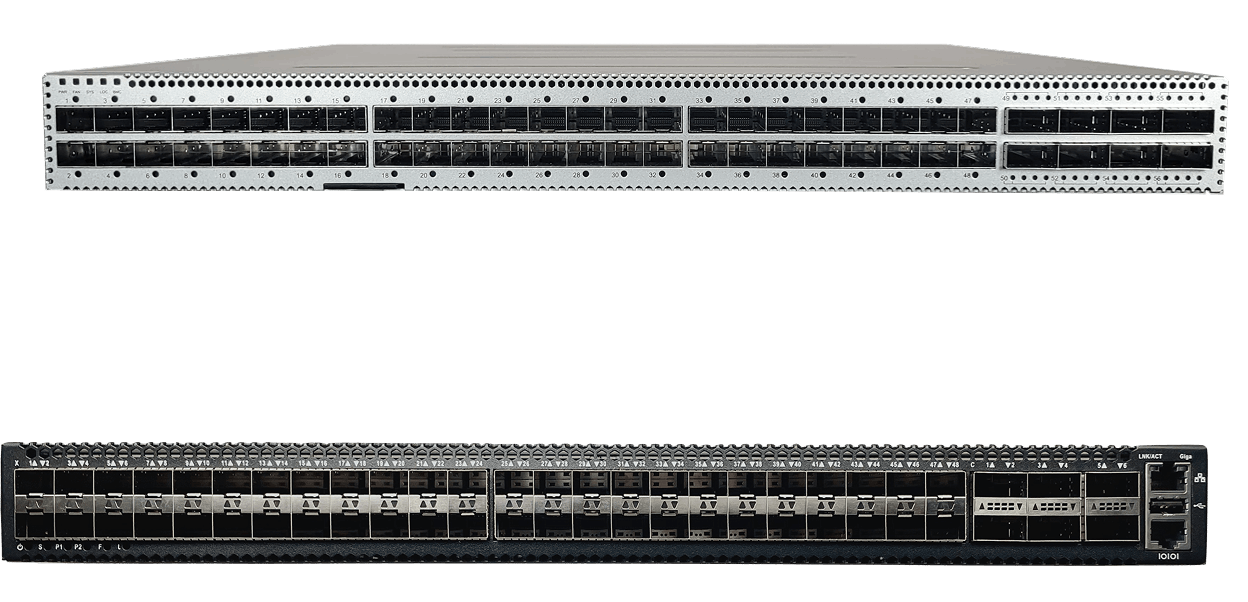
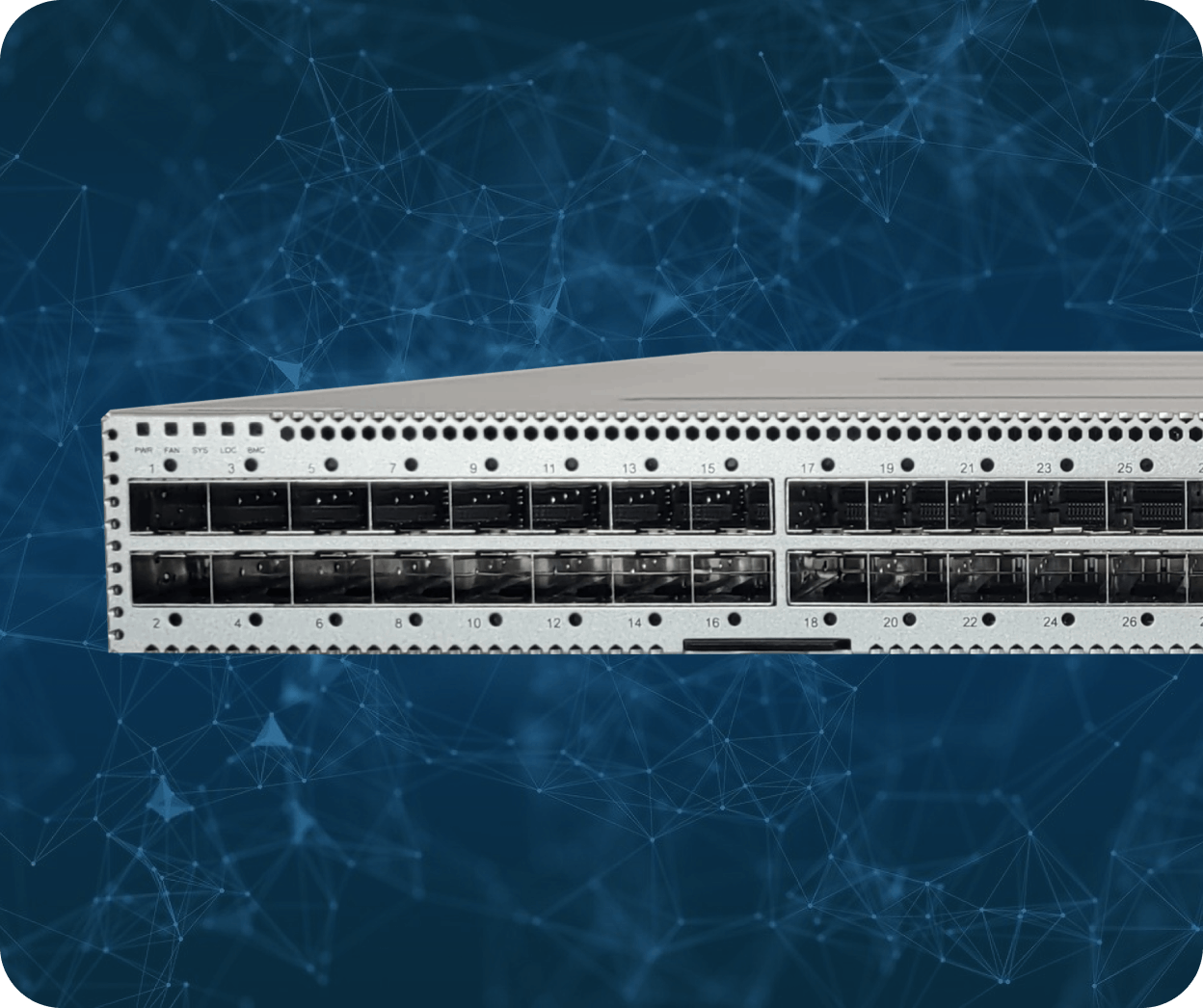
SmartNA-PortPlus scales from 1G to 100G across 48 to 194 ports, aggregating multiple regional links onto shared monitoring infrastructure, all managed through Drag-n-Vu's single pane of glass, with no specialist configuration required. 

Best network visibility solution for banking and financial services 

Passive Fiber Optical TAPs

  • Zero-power passive design with no active electronics and no in-field configuration
  • Insertion loss as low as 1.3dB, minimising signal impact on live links
  • Up to 16 TAPs per 1RU, the highest port density in the category
  • Coverage from 1G to 100G across LC, MPO, and BiDi variants
  • Preconfigured split ratios, shipped ready to deploy by plugging in network and tool connectors
  • One-way design prevents any data backflow into the live network
  • No power dependency, removing risk from remote sites and power glitches
  • Pairs with SmartNA-PortPlus to aggregate captured traffic across multiple compliance and monitoring tools
SmartNA-PortPlus on blue background
person typing on futuristic laptop

When Passive Fiber Optical TAPs are the right fit

  • You're protecting trading floors where added latency directly costs revenue
  • You need 100% capture for MiFID II, DORA, or SOX compliance audit trails
  • You're protecting fraud detection tools that must see all traffic, not sampled data
  • You operate across multiple regions with cross-border data residency requirements

Case studies: network visibility for banking and financial services

HSBC

HSBC deployed Passive Fiber Optical TAPs and SmartNA modular TAPs to achieve zero-latency monitoring across its global network, from the UK to Hong Kong, giving application and network performance tools a complete, unimpacted copy of live traffic. 

Read more

Darktrace

Darktrace integrated its AI-based threat detection platform with SmartNA-PortPlus over API, giving a SOC team full-fidelity traffic for anomaly detection without overloading the analytics pipeline, a workflow parallel relevant to financial services fraud and threat monitoring.


Read more
HSBC


I had great pleasure in working with HSBC and their senior network teams to create and deploy a unique global visibility network that maximizes their current and future monitoring requirements. " 

 —  Senior Technical Consultant, HSBC 


Why SPAN ports fail for banking and financial services 

SPAN adds latency that breaks trading analytics

Switch-based SPAN processing introduces variable delay into the mirrored copy, which is unacceptable when trading analytics and latency arbitrage monitoring depend on precise timing. Passive optical TAPs add no processing delay at all.

SPAN drops packets during volume spikes

SPAN ports deprioritise mirrored traffic under load, and volume spikes during market events or attempted fraud are exactly when packets go missing, right when forensic capture matters most. 

SPAN cannot deliver MiFID II or DORA grade audit trails

Sampled, best-effort mirroring cannot prove 100% capture to an auditor. Passive Fiber Optical TAPs capture every packet, including errors, giving compliance teams a defensible record.

Why choose Network Critical for network visibility in banking and financial services

Network Critical has supplied zero-latency visibility infrastructure to global banking networks including HSBC, where Passive Fiber Optical TAPs and SmartNA modular TAPs were deployed across the UK and Hong Kong to protect application and network performance monitoring without adding latency.

Financial institutions choose Network Critical because the architecture is passive by default: zero power, zero configuration, and zero added latency, backed by perpetual hardware licensing rather than a recurring per-port subscription. SmartNA-PortPlus and Bypass TAPs extend that same passive philosophy to aggregation and inline tool continuity, so compliance, fraud, and trading infrastructure teams work from one finance network visibility fabric rather than a patchwork of point solutions.

The same approach that protects a SOC team's detection pipeline in the Darktrace integration applies directly to a bank's fraud and trade surveillance stack: full-fidelity traffic delivered to the tools that need it, without overwhelming ingestion budgets or introducing risk to live transaction paths.

Frequently asked questions about network visibility for banking and financial services 

  • Network visibility for banking and financial services means capturing a complete, unsampled copy of network traffic across trading, compliance, and fraud detection systems so monitoring and security tools can see every packet. Passive Fiber Optical TAPs deliver this without adding latency to the live link. 
  • SPAN ports drop packets under load and add processing delay, which is a problem when trading, fraud detection, and compliance capture all depend on precise, complete data. Network TAPs create a passive, full duplex copy that never competes with switch resources. 
  • Passive Fiber Optical TAPs split the optical budget on a live fiber link, sending a predetermined amount of light to the network and the remainder to monitoring tools. There is no active processing in the path, so live traffic passes through at full speed with zero latency

  • Yes. Because the TAPs capture every packet, including errors, without sampling, they give compliance teams a complete audit trail. Learn more from the HSBC case study, where this approach supported global monitoring across regulated markets. 
  • A network TAP is a dedicated hardware device that copies full duplex traffic without impacting the live path, while a SPAN port is a switch feature that mirrors traffic using spare switch capacity and can drop packets under load. Read the full comparison of network TAPs vs SPAN ports
  • Bypass TAPs use heartbeat monitoring to detect when an inline fraud detection or IPS tool stops responding, then automatically reroute traffic so maintenance or tool failure never interrupts transaction processing. 
  • Yes. SmartNA-PortPlus is a scalable hybrid packet broker that aggregates traffic from multiple TAPs and SPAN ports onto a shared set of monitoring tools, reducing the hardware footprint per tool. 

  • Passive Fiber Optical TAPs support up to 16 TAPs per 1RU, among the highest port density available in passive optical TAPs, which matters in space-constrained data centre and colocation environments. 
  • By filtering and aggregating traffic at the TAP and packet broker layer before it reaches the SIEM or NDR platform, financial services teams send only relevant traffic to per-gigabyte-priced tools. Drag-n-Vu manages this filtering through a single interface. 
  • No. The TAPs ship preconfigured to the required split ratio with no active electronics, so deployment means plugging in the network and tool connectors, with no ongoing configuration or maintenance required. 

  • SmartNA-PortPlus aggregates traffic from regional links onto shared tools, while SmartNA covers branch and edge sites, giving banks a consistent visibility architecture across every region they operate in. 
  • Passive Fiber Optical TAPs require no configuration and deploy by connecting fiber, while Drag-n-Vu's drag and drop interface lets network admins configure packet broker aggregation without specialist engineering support, in line with Network Critical's documented rapid deployment approach.