




<img src="https://secure.leadforensics.com/97241.png" style="display:none;">

Network TAPs for aerospace test networks

Network Critical provides network TAPs for aerospace test networks running avionics, braking, steering, and landing system rigs. Fail-safe TAPs copy every frame to your analysers without touching the traffic under test.

Network teams at these organisations run Network Critical visibility

  • Vodafone Logo
  • HSBC Logo
  • bp logo
  • Airbus Logo
  • Darktrace Logo

Zero-impact packet capture for flight test and systems integration rigs

Aerospace test rigs generate the evidence that a steering, braking, landing, or avionics system behaves as designed. Monitoring that evidence can't change it. A switch port analyser (SPAN) session runs on the same switch as the traffic under test, and it drops frames when it's oversubscribed, without raising an alarm. Network TAPs for aerospace test networks sit on the link itself. A test access point (TAP) copies both directions of traffic out of band and passes a complete copy, errors included, to bus analysers and protocol tools. Fail-safe modules keep the link up if the TAP loses power. Airbus deployed Network Critical TAPs across multiple aircraft test rigs and completed its first flight test objectives on schedule.

Key challenges facing aerospace test networks

Monitoring that can't touch the traffic under test
Any device that adds delay, reorders frames, or fails inline changes the result you're trying to measure. Interruptions on a rig affect the accuracy of tests that flight safety depends on. Network Critical's Ethernet TAPs copy full-duplex traffic out of band, so the rig link carries on unchanged.
Every frame counts as test evidence
A dropped packet is a gap in the record for a braking or avionics test, and it can mean repeating the run. Mirrored copies can't prove they're complete. Network Critical's Passive Fiber TAPs split the optical signal and pass every frame, including errors, to your analysers.
Layer 2 limits on commercial switches
When test rigs run on commercial off-the-shelf (COTS) Ethernet switches, Layer 2 behaviour can fall short of aircraft requirements, such as looping data back to the transmitter. Airbus used Network Critical TAPs to resolve exactly these limitations. Network Critical's network TAPs add that capability without replacing the switches.
Several rigs, a limited analyser budget
Avionics bus analysers and protocol probes are expensive, and buying one per rig link drains the test budget fast. Network Critical's SmartNA-XL aggregates traffic from multiple tapped links into fewer analyser ports, so one tool can watch several capture points.

Why aerospace test teams come to Network Critical

We're replacing our rig monitoring tools before the next test campaign starts.

Our first flight test objectives depend on capturing every frame from every rig.

Our commercial Layer 2 switches can't loop data back to the transmitter as required.

We're standing up test rigs for a new aircraft programme on a fixed schedule.

SPAN sessions on our rig switches drop frames when test traffic peaks.

Our bus analysers are expensive, so one tool has to cover several rigs.

Key capabilities for aerospace test networks

Fail-safe capture with zero impact

 Network Critical's SmartNA fail-safe copper Gigabit TAP modules need no batteries and present no point of failure. Hot-swap modules let you add or move capture points between test runs without reworking the rig. 

Zero-power optical capture

 Network Critical's Passive Fiber TAPs use no power and need no configuration. They pass full-duplex traffic on 1G to 100G links, fit up to 16 TAPs in 1RU, and have insertion loss as low as 1.3dB. 

Aggregation and packet conditioning for analysers

 Network Critical's SmartNA-XL combines TAP modules and a packet broker in one five-slot, 1RU chassis. PacketPro slicing, header stripping, and payload masking cut the load on analysers, and L2 to L4 filtering sends each tool only the traffic it needs. 

Fast, error-free configuration

 Network Critical's Drag-n-Vu maps TAP inputs to analyser ports by drag and drop. It warns you before you build an invalid path, one-click rollback restores earlier configurations, and the global configuration tool repeats a proven setup across rigs. 

Best network TAP solution for aerospace test networks

Network TAPs: fail-safe, zero-loss capture for aerospace test rigs

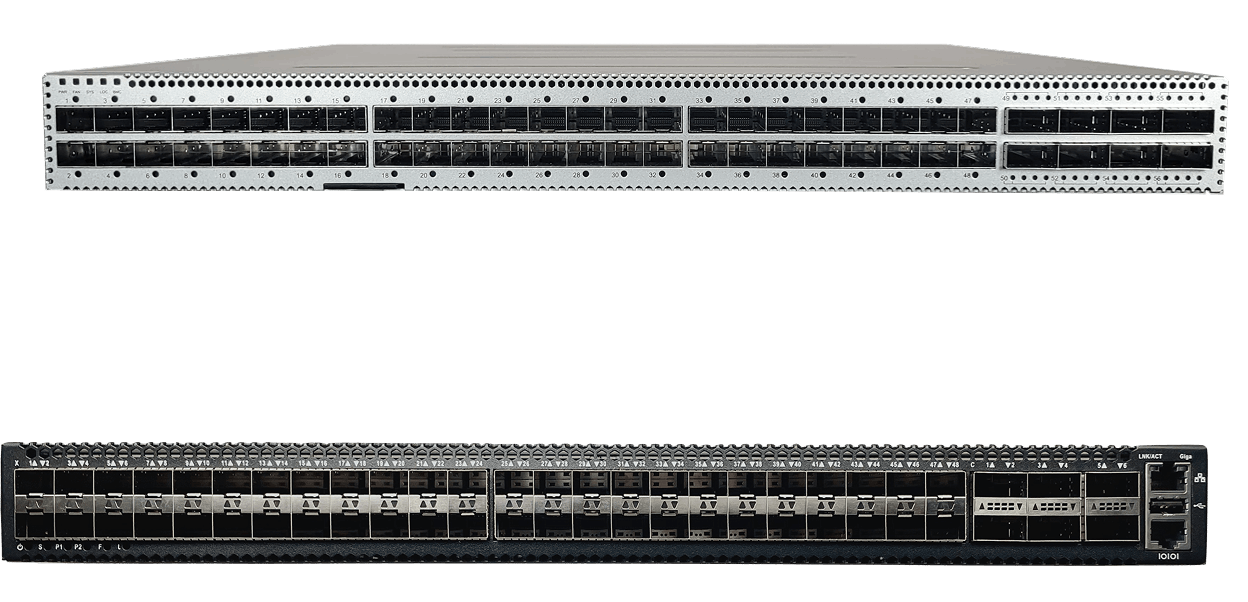
  • SmartNA: fail-safe copper Gigabit TAP modules, no batteries, in 4-slot (1U), 12-slot (2U), or 1-slot portable chassis
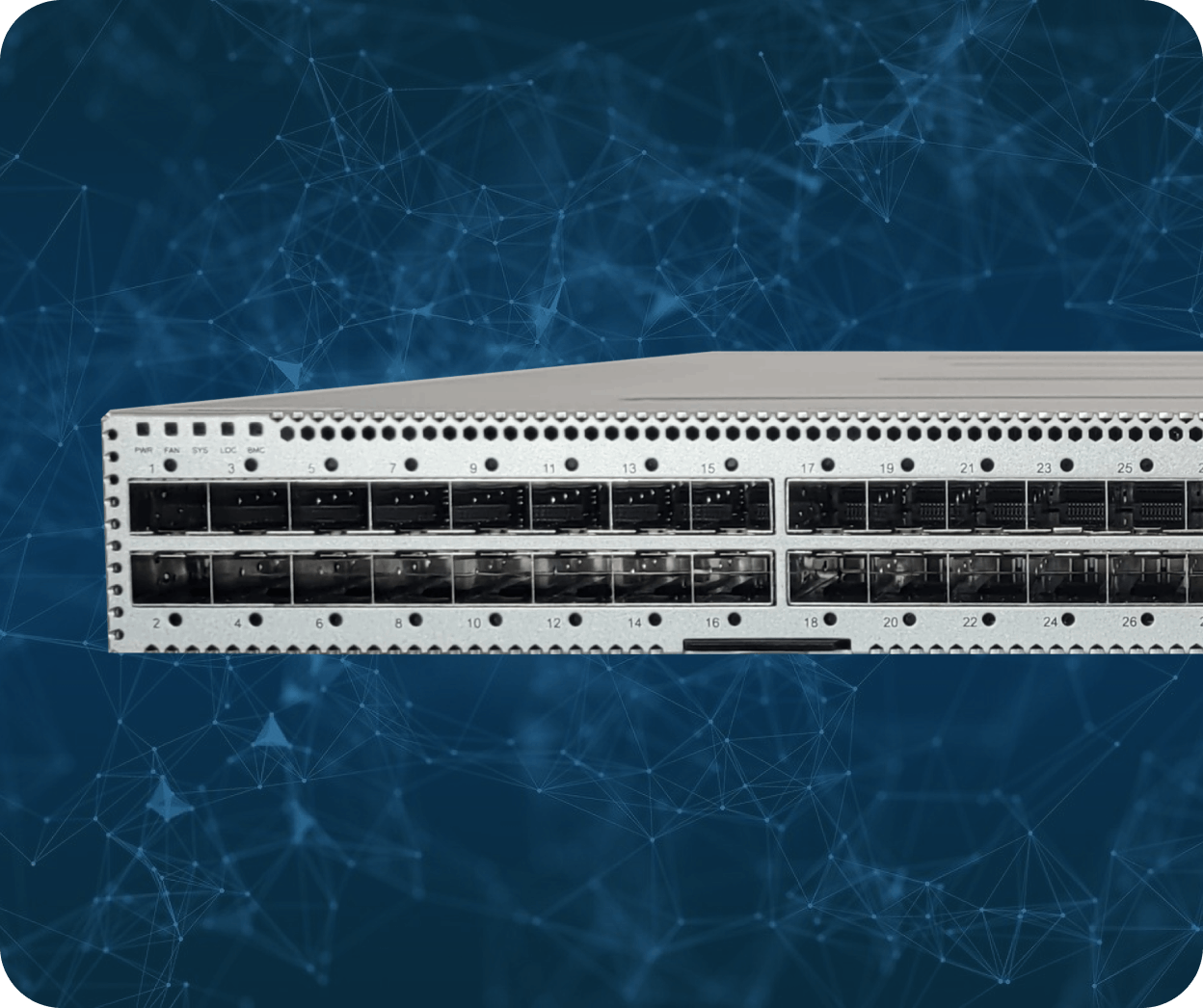
  • SmartNA-XL: five-slot 1RU chassis, up to twenty 1/10G SFP/SFP+ ports, non-blocking backplane from 10Mbps to 40Gbps
  • SmartNA-XL keeps network traffic flowing even if the chassis loses power
  • Passive Fiber TAPs: zero power, 1G to 100G, up to 16 TAPs in 1RU, insertion loss as low as 1.3dB
  • Bypass TAP modules: automatic appliance bypass for inline tools, no point of failure
  • PacketPro packet manipulation: packet slicing, header stripping, payload masking
  • Management through Drag-n-Vu, CLI over SSH, SNMP v1/v2c/v3, and RADIUS or TACACS+ authentication
  • Dual hot-swappable power supplies, AC (100V to 240V) or DC (-42V to -63V)
SmartNA-PortPlus on blue background
person typing on futuristic laptop

When network TAPs are the right fit

  • You're capturing steering, braking, landing, or avionics test traffic where one dropped frame compromises the result.
  • You need monitoring that adds no latency and keeps the rig link up if power fails.
  • Your rigs run on commercial Ethernet switches with Layer 2 limits you need to work around.
  • You're feeding one expensive analyser from capture points across several rigs on a fixed test schedule.

Case studies: network TAPs for aerospace test networks

 Maryland's Department of IT runs Network Critical's SmartNA-XL to monitor its unified communications network through a TDM to IP migration. The five-slot chassis combines passive, active, and bypass TAP modules with aggregation and filtering, and the team also uses SmartNA-XL in the roll-out and testing of new services. 

Read the State of Maryland case study

A national telecoms carrier uses Network Critical's SmartNA Bypass TAPs to connect monitoring equipment to live video links for Major League Baseball's replay booth. The Bypass TAPs keep traffic flowing if monitoring goes offline and inject management packets back into the network. The carrier configures the system through Drag-n-Vu. 

Read the replay booth case study


I'm delighted to say the use of Network Critical's TAPs across the multiple rigs, has helped us to complete all our first flight test objectives on schedule, whilst at the same time offering us the additional capability to resolve some of the inherent limitations of layer 2 switches." 

 —   System Test Lead Engineer, Airbus. Source: the Airbus aircraft test rig case study.  


Why SPAN ports fail for aerospace test networks

SPAN drops frames when test traffic peaks

SPAN mirrors several source ports into one destination port, so under load it's oversubscribed and drops frames without raising an alarm. Your analyser reports what SPAN sent, not what the rig carried. Network Critical's Ethernet TAPs copy every frame, errors included. 

SPAN loads the switch you're testing

SPAN shares the switch's resources with its switching workload, so the device under test is also doing your monitoring. That's a variable nobody planned for. Passive Fiber TAPs copy traffic optically, with no power and no involvement from the switch. 

SPAN runs out of sessions across rigs

Most switches support only 2 to 4 concurrent SPAN sessions, and each one is easy to misconfigure. Rigs with many links outgrow that quickly. SmartNA-XL aggregates TAP feeds from multiple links, configured through one GUI rather than switch by switch. 

Why choose Network Critical network TAPs for aerospace test networks

Network Critical has designed and built network TAPs and packet brokers for more than 20 years, with UK manufacturing, a US office, and 24/7 support. You get enterprise-grade visibility without enterprise pricing or complexity.

Licensing is perpetual, with no subscriptions or per-port fees, and Network Critical's cost modelling puts three-year cost of ownership 40 to 60% below subscription-driven monitoring stacks. Drag-n-Vu lets network administrators configure capture without specialist engineers.

The proof comes from networks where capture has to be complete and invisible. Airbus completed its first flight test objectives on schedule with TAPs across its aircraft test rigs. The State of Maryland uses SmartNA-XL to test new services, and a national carrier relies on Bypass TAPs to protect live replay video links.

Frequently asked questions about network TAPs for aerospace test networks

  • Network TAPs for aerospace test networks are hardware devices that copy all traffic on a rig link to monitoring and analysis tools without affecting the link. They capture full-duplex traffic, errors included, from avionics, braking, steering, and landing system tests. See the Network Critical network TAP range. 

  • A network TAP copies every frame on the link, while SPAN copies only what the switch has capacity to mirror. SPAN drops frames under load and shares switch resources with the traffic under test. A TAP sits outside the switch and has no effect on it. Read more on network TAPs vs SPAN. 

  • The analyser receives an incomplete record, and nothing tells you, because SPAN raises no alarm when it drops frames. For flight-safety testing that leaves gaps in the evidence and can force a repeat run. Ethernet TAPs remove that risk by copying every frame out of band. 
  • Yes. Airbus used Network Critical TAPs on test rigs built with COTS Ethernet switches, and the TAPs resolved Layer 2 limitations in looping data back to the transmitter, as the aircraft implementation required. The Airbus test rig case study covers the deployment. 

  • No. A passive optical TAP splits the light on the fibre and lets live traffic pass at full speed, so it adds no latency and needs no power. Network Critical's passive fiber TAPs support 1G to 100G links with insertion loss as low as 1.3dB. 

  • The link stays up. Passive optical TAPs use no power at all, and fail-safe copper TAP modules need no batteries and present no point of failure. 1G SmartNA fail-safe modules and the SmartNA-XL chassis both keep network traffic flowing through a power loss. 
  • Network TAPs send a full copy of link traffic to tool ports on standard copper or fibre interfaces. Network Critical TAPs work with major protocol analysers, probes, and IDS tools, and Airbus fed TAP traffic into its FdXplorer avionics bus analyser. Read about network packet capture. 

  • Use Bypass TAPs when a tool sits inline on a live link and that link must stay up if the tool fails. Heartbeat signals detect an unresponsive tool and reroute traffic automatically. Network Critical's Bypass TAPs suit production and live networks more than passive rig monitoring. 
  • Aggregate the rigs through a packet broker. TAPs on each rig link feed the broker, which combines, filters, and load-balances traffic into fewer analyser ports, so one tool covers several capture points. Network Critical's network packet brokers include the SmartNA-XL hybrid TAP and broker. 
  • Passive fibre TAPs can go in as soon as the link is free, because they ship preconfigured and only need plugging in. Airbus needed exactly this kind of rapid deployment to hold its testing schedule. Drag-n-Vu also lets you apply a saved configuration to new chassis instead of building rules by hand. 

  • Airbus is the published aerospace deployment. It used Network Critical TAPs across aircraft test rigs for steering, braking, landing, and avionics systems, then worked with Network Critical on A400M military aircraft testing. More context is on the aviation network visibility solutions page. 
  • Network Critical sells perpetual licences with no subscriptions or per-port fees, so costs stay predictable. Aggregation also cuts the number of analysers you need, and Airbus spent its savings on more test tools. Hybrid TAPs combine TAP and broker functions in one chassis to save rack space and hardware.