




<img src="https://secure.leadforensics.com/97241.png" style="display:none;">

Zero trust segmentation for the IT and OT boundary

Network Critical provides zero trust segmentation for the IT and OT boundary for industrial OT environments running fail-safe passive monitoring alongside Zero Trust enforcement.

Network teams at these organisations run Network Critical visibility

  • Vodafone Logo
  • HSBC Logo
  • bp logo
  • Airbus Logo
  • Darktrace Logo

Operational summary for industrial OT environments

Industrial operators are converging IT and OT networks faster than their security models can keep pace. Corporate zero trust programs increasingly push segmentation policy into the plant floor, but most operators still rely on switch port mirroring to see what is happening at the boundary, and mirroring cannot validate that segmentation is actually enforced. At BP, a global energy operator connected monitoring and security tools across refineries spanning ten to twelve buildings using Passive Fiber Optical TAPs, creating a passive, fail-safe layer between IT and OT systems without touching production traffic. That same passive foundation is what makes zero trust segmentation enforceable rather than theoretical at the IT and OT boundary.

 Key challenges facing industrial OT environments 

Fail-safe requirements
Any active device in the OT path is a safety risk, not just an availability risk. Production networks cannot tolerate an inline monitoring failure. Network Critical's Passive Fiber Optical TAPs require no power and no active electronics, so a TAP failure never interrupts live traffic.
IT/OT boundary monitoring
SPAN gives a copy of traffic but cannot confirm segmentation policy is enforced at the boundary. Network Critical's INVIKTUS sits invisibly on critical links with no IP or MAC address, blocking unauthorized paths while validating that only approved traffic crosses between IT and OT zones.
Space and power constraints
Remote sites such as drilling platforms and substations often lack power, space, and cooling for active equipment. Passive optical TAPs use no power and ship preconfigured, so operators gain visibility at remote locations without adding infrastructure or maintenance overhead.
Change windows measured in months
OT change control means production networks may only be touched during scheduled windows a few times a year. Network Critical's Bypass TAPs maintain automatic failover for inline security tools, so continuous capture keeps running between change windows without waiting on a maintenance slot.

Why industrial OT teams come to Network Critical 

We're certifying to IEC 62443 and need continuous OT visibility evidence 

We're converging IT and OT and need the boundary properly monitored 

A ransomware attack in our sector has put segmentation on the board agenda

We can't risk an inline device disrupting live production traffic 

Our remote sites have no power or space for active monitoring gear

We need to prove zero trust segmentation is actually enforced 

Key capabilities for industrial OT environments 

Fail-safe passive monitoring

Network Critical's Passive Fiber Optical TAPs create a passive connection to fiber links, splitting the optical budget so a full duplex copy reaches monitoring tools while live traffic passes through unaffected. No power, no active electronics, no single point of failure. 

Zero trust segmentation enforcement

Network Critical's INVIKTUS has no IP or MAC address, making it invisible to anything trying to move laterally across the IT/OT boundary. Policy-based Lock and Leave configuration gives OT teams one verified path and keeps everything else out of reach. 

IT/OT boundary continuity

Network Critical's Bypass TAPs detect when an inline security appliance stops responding and automatically reroute traffic in real time, so segmentation enforcement tools stay protected without becoming the single point of failure at the boundary. 

Space-constrained deployment

Passive fiber TAPs deliver the highest port density in the industry, so operators monitoring ten or more buildings from a single location save valuable rack space at both the IT and OT edge of the network. 

Best zero trust segmentation solution for industrial OT environments 

Zero trust segmentation at the IT/OT boundary starts with a monitoring layer that cannot become the risk it is meant to remove. Passive Fiber Optical TAPs give operators that foundation.

Passive Fiber Optical TAPs: fail-safe capture for the IT/OT boundary

  • Up to 16 TAPs per 1RU for high port density in space-constrained plants
  • Covers 1G to 100G, preconfigured for multi-mode fiber at 1 to 10Gbps or single-mode fiber at 1/10/40/100Gbps
  • Insertion loss as low as 1.3dB
  • No power required, so a power glitch at a remote site never touches network traffic
  • One-way design prevents data backflow into the live network
  • Full duplex capture including errors, with a complete mirror copy sent to monitoring and security tools
  • Ships preconfigured to the required split ratio, no ongoing configuration or maintenance
  • Pairs with Network Critical's INVIKTUS for zero trust enforcement and Bypass TAPs for inline tool continuity at the boundary
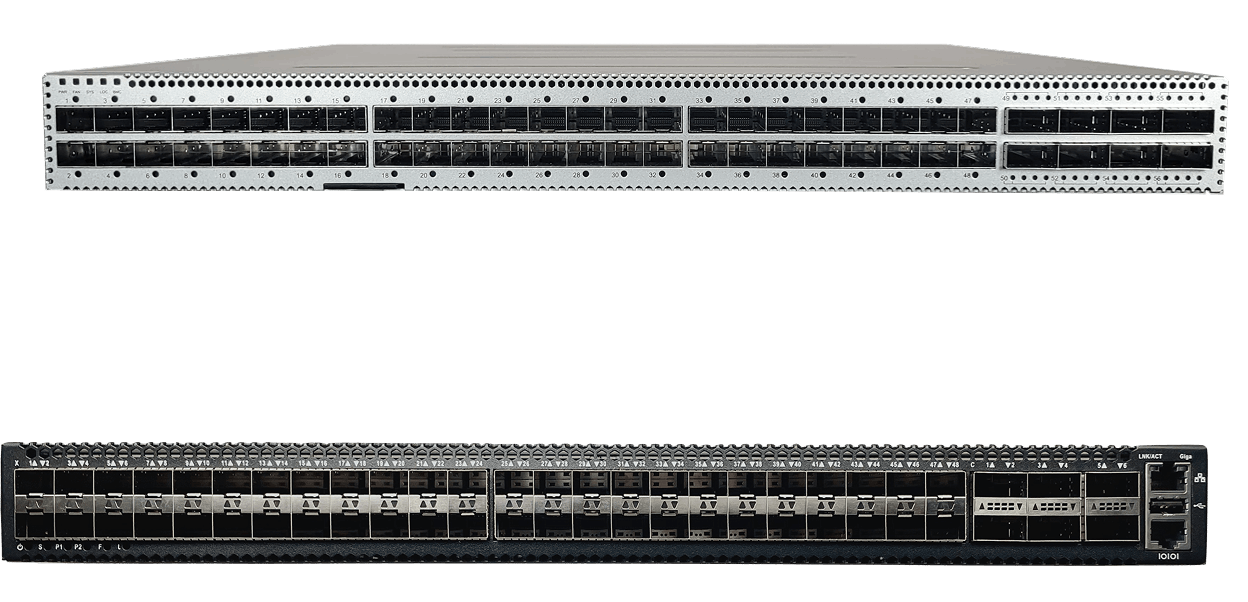
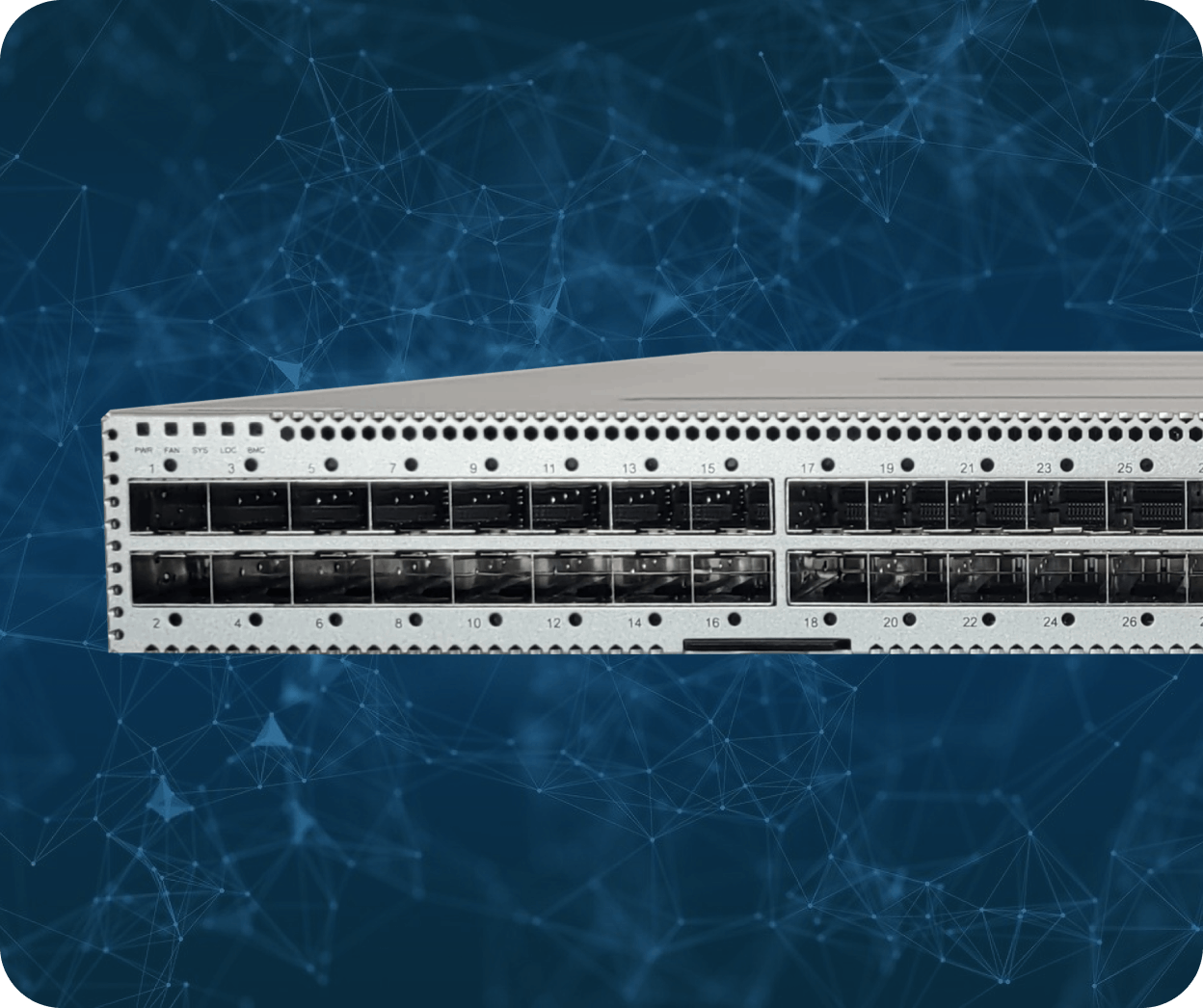
SmartNA-PortPlus on blue background
person typing on futuristic laptop

When Passive Fiber Optical TAPs are the right fit

  • You need fail-safe monitoring with zero active devices in the OT path
  • You're certifying to IEC 62443 or NIS2 and need continuous capture across scheduled change windows
  • You're deploying across remote sites with no power, space, or cooling for active TAPs
  • You're validating zero trust segmentation at the IT/OT boundary without adding risk to production traffic

Case studies: zero trust segmentation for the IT and OT boundary in industrial OT environments

BP

BP connected monitoring and security tools across refineries spanning ten to twelve buildings using Network Critical Passive Fiber Optical TAPs, creating a passive, remotely monitored layer between IT and OT systems. The fail-safe design let a small central team manage security without risking production uptime or safety. 

Read more

Darktrace

Darktrace integrates its AI threat detection platform with Network Critical's SmartNA-PortPlus using an API-driven feed, giving SOC teams east-west visibility to spot anomalies before they escalate. This is a cross-sector parallel rather than an OT-specific deployment, included because the segmentation validation workflow transfers directly to IT/OT boundary monitoring. 

Read more
BP-1


Continuous monitoring is critical to digitization and automation of our many monitoring systems. Being able to monitor remote sites from a single location keeps our systems up to date without having a large staff running around in trucks." 

 —  Senior Project Manager, BP 


Why SPAN ports fail for industrial OT environments 

SPAN puts an active device in the OT safety boundary

SPAN configuration lives on the production switch itself, meaning any misconfiguration or oversubscription touches live control traffic. Network Critical's Passive Fiber Optical TAPs sit outside the switch entirely, with no power and no active electronics, so the OT safety boundary is never put at risk. 

SPAN cannot validate segmentation enforcement

A mirrored copy of traffic shows what happened, not whether the segmentation policy actually held. Network Critical's INVIKTUS enforces a single verified path with no IP or MAC address, giving OT security leads enforcement evidence that SPAN was never built to provide. 

SPAN drops packets during the events that matter most

SPAN ports oversubscribe during high traffic volume and start dropping packets, exactly when a security tool needs a complete capture to spot an anomaly. Passive optical TAPs deliver a full duplex mirror copy, including errors, with zero packet loss. 

Why choose Network Critical for zero trust segmentation at the IT and OT boundary

Network Critical has over 20 years of experience connecting monitoring and security tools without adding risk to the networks they protect. BP trusted Passive Fiber Optical TAPs to monitor refineries spanning ten to twelve buildings, and the same passive architecture underpins Darktrace's SOC integrations.

Every deployment uses the same fail-safe principle: full duplex capture with zero power and zero packet loss, so a monitoring layer never becomes a production risk. Network Critical's INVIKTUS adds zero trust enforcement on top, without requiring an IP or MAC address anywhere on the network.

Perpetual licensing means no forced subscription renewal, and Network Critical's Bypass TAPs keep inline security tools protected at the IT/OT boundary without becoming a single point of failure. IEC 62443 and NIS2 programs get evidence, not just a policy document.

Frequently asked questions about zero trust segmentation for the IT and OT boundary 

  • Zero trust segmentation at the IT/OT boundary means no device or path is trusted by default between corporate IT and operational technology networks. Network Critical's INVIKTUS enforces this with no IP or MAC address, giving operators a single verified path while blocking everything else, validated by passive monitoring alongside it. 
  • SPAN gives a mirrored copy of traffic from the switch itself, but it cannot confirm that segmentation policy is enforced, and it drops packets under high load. Passive Fiber Optical TAPs capture full duplex traffic outside the switch with zero packet loss, giving OT teams evidence rather than assumption. 
  • Yes. Network Critical's Passive Fiber Optical TAPs require no power and contain no active electronics, so a TAP failure cannot interrupt live production traffic. This fail-safe design is why BP chose them to monitor refineries spanning ten to twelve buildings. 
  • Network Critical's INVIKTUS has no IP or MAC address, so it stays invisible to anything scanning the network for lateral movement paths. Policy-based Lock and Leave configuration maps one verified path for legitimate traffic while keeping every other route out of reach. 

  • Network Critical's Bypass TAPs detect the failure through heartbeat monitoring and automatically reroute traffic in real time, so the inline tool's failure never takes down the link it was meant to protect. Traffic continues flowing while the tool is restored or replaced. 
  • IEC 62443 segmentation requirements call for demonstrable, ongoing monitoring evidence, not a one-time assessment. Passive TAPs feeding a zero trust enforcement layer give auditors continuous, tamper-resistant capture across change windows without touching production systems, which is the audit trail assessors look for. 
  • Yes. Passive Fiber Optical TAPs require no power at all, so a site with no mains supply, generator backup, or cooling can still be monitored. Units ship preconfigured to the required split ratio, so there is no on-site configuration needed at hard-to-reach locations. 

  • A Bypass TAP protects inline security tools by automatically rerouting traffic if the tool fails. A Passive Fiber Optical TAP sits out-of-band, sending a mirror copy to monitoring tools without ever touching live traffic. OT boundary deployments often use both together. 
  • Passive TAP deployment typically fits inside a scheduled maintenance window because there is no configuration, no SCADA reconfiguration, and no active electronics to provision. Network Critical's Drag-n-Vu interface handles any packet broker configuration needed downstream in minutes rather than days. 
  • Network Critical's passive TAP architecture and INVIKTUS zero trust layer give OT security teams the continuous capture and segmentation evidence that NIS2 and IEC 62443 audits require, without adding a managed device or IP address to the OT network itself. 

  • OT visibility means seeing what is on the network. Zero trust segmentation means enforcing which devices can talk to which, and proving it. Network Critical's OT cybersecurity approach pairs passive TAPs for visibility with INVIKTUS for enforcement, so operators get both. 
  • Yes. Passive monitoring never touches live traffic, so segmentation validation happens entirely out-of-band. Passive Fiber Optical TAPs plus INVIKTUS give operators continuous proof that IT and OT zones stay separated, without requiring a maintenance window or risking the production network.