




<img src="https://secure.leadforensics.com/97241.png" style="display:none;">

OT-safe network TAPs

Network Critical provides OT-safe network TAPs for industrial OT environments running SCADA, PLC, and ICS traffic that cannot tolerate an active device in the path.

Network teams at these organisations run Network Critical visibility

  • Vodafone Logo
  • HSBC Logo
  • bp logo
  • Airbus Logo
  • Darktrace Logo

OT visibility built for safety-first production networks

Industrial control systems are undergoing a shift from closed, air-gapped operational technology (OT) to networks converged with IT and connected to cloud services. That shift brings real efficiency gains, from remote tank and compressor monitoring to centralized alarm management, but it also widens the attack surface for systems where a dropped connection can mean a production stoppage or a safety incident. Network Critical's Passive Fiber Optical TAPs were chosen by BP to connect monitoring and security tools across refineries spanning ten to twelve buildings, exactly the kind of geographically distributed, safety-critical deployment this page addresses, as detailed in the BP case study. The goal is continuous visibility without adding a single point of failure to the production network.

 Key challenges facing industrial OT environments 

Any active device is a safety risk
OT engineers work to the Purdue Model, with one-way data flow from sensors and PLCs treated as non-negotiable. An active monitoring device that can fail or backflow data is an automatic rejection. Network Critical's Passive Fiber Optical TAPs use no power and carry no active electronics, so there is nothing in the path to fail.
Change windows measured in months, not hours
Production networks in refineries, plants, and utilities are not patched or reconfigured on IT timelines. A monitoring solution has to be validated once, in a lab, then deployed without touching the change calendar again. Preconfigured, plug-and-play TAPs remove the recurring configuration risk that active appliances introduce.
Space and power are hard constraints at remote sites
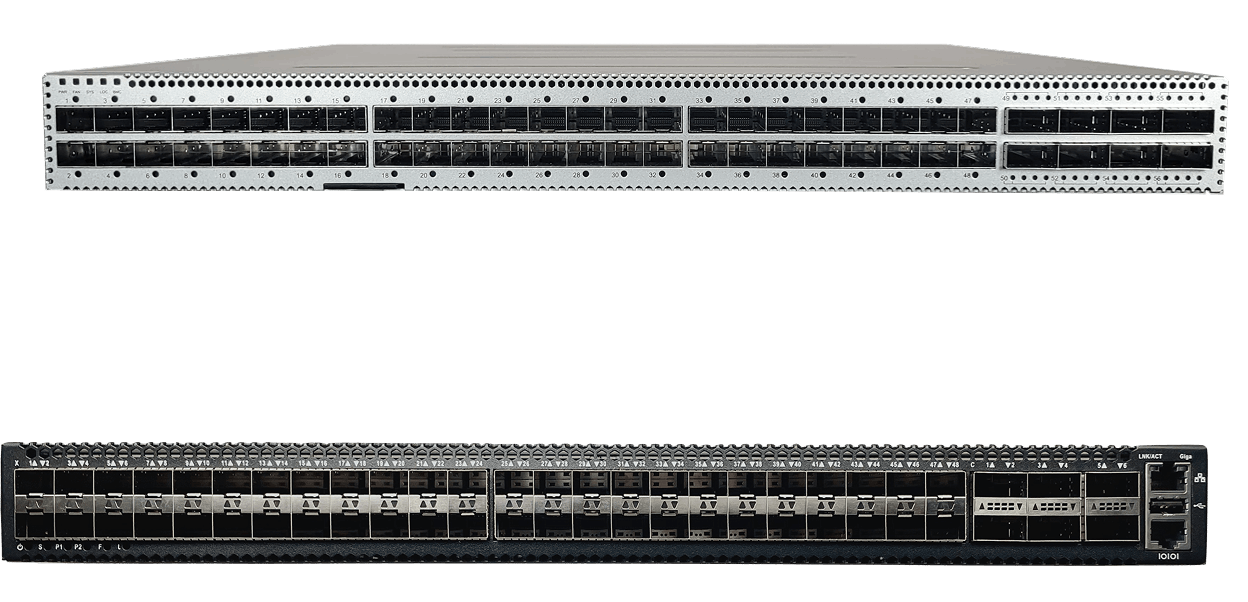
Drilling platforms, substations, and remote pump stations often have no spare rack space, redundant power, or cooling budget for another active appliance. Passive optical TAPs need no power at all, and Network Critical's hybrid TAP configurations built on SmartNA-XL compress TAP and broker functions into one 1RU chassis.
IT and OT boundary monitoring without bridging zones
Security teams need visibility across the IT and OT boundary to catch malware or unauthorized access, but the monitoring path itself cannot become a bridge between zones. Physical, passive hardware separation gives OT engineers a security guarantee that software taps cannot match, enforcing the one-way flow the Purdue Model demands.

Why industrial OT teams come to Network Critical 

We need zero active devices between our sensors and our monitoring tools

We're certifying to IEC 62443 and need proof our monitoring can't disrupt production

We're converging IT and OT visibility without compromising OT safety sign-off

We manage remote sites with no spare power, space, or cooling budget 

We've watched ransomware hit a peer operator and the board wants answers

Our change windows are too rare to risk on active appliances

Key capabilities for industrial OT environments 

Fail-safe passive monitoring

Network Critical's Passive Fiber Optical TAPs split the optical budget on a live fiber link, sending a full duplex copy, including errors, to monitoring tools while live traffic passes through unaffected. No power requirement means no initial configuration and no ongoing maintenance.

One-way data flow and zone segmentation

Passive optical TAPs enforce a physical, one-way copy of traffic rather than a bridge, supporting Purdue Model segmentation across OT zones. Tools see everything on the link without ever gaining a path back into the production network, a hardware guarantee IEC 62443 segmentation calls for.

Space-constrained, hybrid deployment

For sites needing TAP access and packet broker intelligence in one footprint, Network Critical's hybrid TAP configurations combine both functions in a modular 1RU chassis. Filtering and aggregation reduce the number of tools a small remote crew has to manage centrally. 

Drag-n-Vu simplicity for converging IT and OT teams

 Drag-n-Vu gives IT and OT teams a single visual interface for configuration, so a change to filtering or port mapping needs no specialist scripting knowledge, a fit for teams supporting many remote sites centrally. 

Best OT-safe network TAPs solution for industrial environments 

Passive Fiber Optical TAPs are the right foundation when the network cannot tolerate an active device, a power dependency, or a configuration step, which is exactly the standard most industrial OT deployments are held to.

Passive Fiber Optical TAPs

  • Zero power required: no risk from power glitches or outages at remote sites
  • Insertion loss as low as 1.3dB
  • Up to 16 TAPs in a single 1RU chassis, among the highest port density in the category
  • Preconfigured split ratios: units ship ready to deploy, no active configuration required
  • Coverage from 1Gbps to 100Gbps across multi-mode and single-mode fiber
  • Available in LC, MPO, and BiDi variants to match existing fiber infrastructure
  • No active electronics and no management system, so there is no ongoing maintenance requirement
  • One-way passive design prevents any data backflow into the live network
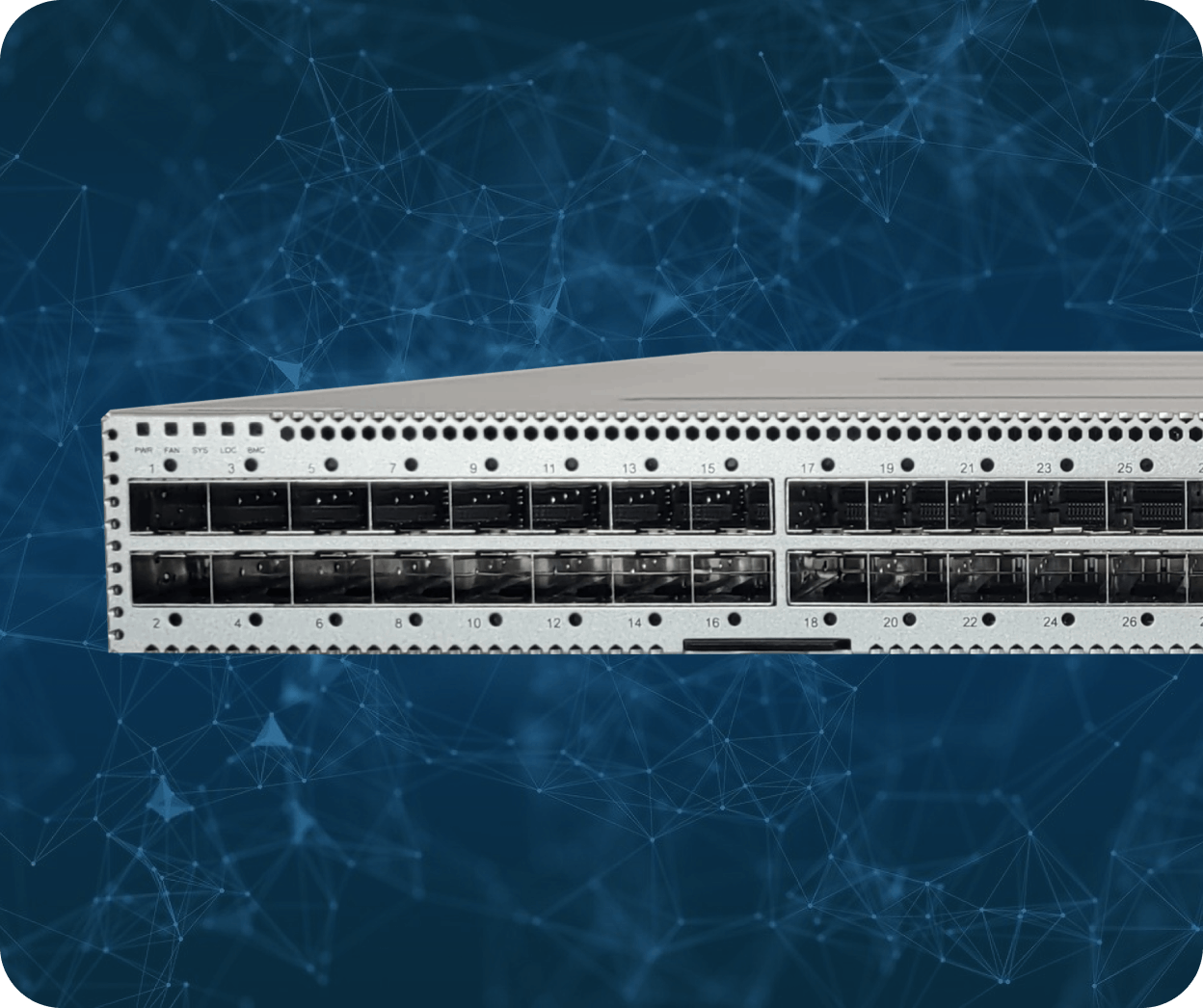
SmartNA-PortPlus on blue background
person typing on futuristic laptop

When Passive Fiber Optical TAPs are the right fit

  • You need fail-safe monitoring with zero active devices in the OT path

  • You're certifying to IEC 62443 and need continuous capture across change windows

  • You're deploying across remote sites with no power, space, or cooling for active TAPs

  • You're integrating IT and OT visibility on a single platform without compromising OT safety

Case studies: OT-safe network TAPs in industrial environments

BP

BP connected monitoring and security tools across refineries spanning ten to twelve buildings using Network Critical's passive fiber optical TAPs. The passive connection requires no power, so remote platforms and space-restricted refinery buildings get full duplex capture without adding a single active device to production links.

Read more

Darktrace

Darktrace pairs its unsupervised machine learning engine with Network Critical's SmartNA-PortPlus API, letting the security tool control its own filtering and port mapping as it learns normal traffic. It's a cross-sector parallel for OT teams converging IT-style automated threat detection onto the plant network.

Read more
BP-1


Continuous monitoring is critical to digitization and automation of our many monitoring systems. Being able to monitor remote sites from a single location keeps our systems up to date without having a large staff running around in trucks." 

 —  Senior Project Manager, BP 


Why SPAN ports fail for industrial OT environments

SPAN puts an active device in the OT path

Connecting a monitoring tool through a SPAN session depends on the switch's own resource allocation and configuration state, and any change to that configuration is itself a change to the production network. For OT teams, that dependency is an availability risk. Network Critical's Passive Fiber Optical TAPs remove it entirely.

SPAN cannot deliver continuous capture across rare change windows

 SPAN port allocations get reprioritized or reconfigured for other purposes between the long gaps in an OT change calendar, and packets drop silently during exactly the anomaly events forensic and security tools need to see. A passive TAP holds its split ratio permanently, with nothing to reconfigure. 

SPAN scales poorly across remote, constrained sites

SPAN requires available switch ports and processing headroom that many remote platforms and substations simply do not have, and it offers no answer for sites with no spare power or cooling. Network Critical's hybrid TAP configurations need no power and fit TAP and broker functions into one chassis.

Why choose Network Critical for OT-safe network TAPs

Network Critical's Passive Fiber Optical TAPs give OT security leads a physical, one-way guarantee that switch-based alternatives cannot match. BP chose the same Passive Fiber Optical TAPs to connect monitoring and security tools across refineries spanning ten to twelve buildings, proof the architecture holds up in safety-critical, geographically distributed environments, detailed in the BP case study.

Where teams also need packet broker intelligence, hybrid TAP configurations built on SmartNA-XL bring TAP and broker functions into one chassis, and the Darktrace integration shows how that layer can feed automated SOC tooling without manual reconfiguration.

OT visibility runs on transparent, perpetual hardware licensing rather than a recurring subscription, and UK manufacturing gives European buyers a data-sovereignty answer many enterprise visibility platforms cannot. See the OT cybersecurity page and OT network monitoring overview, or revisit the refinery deployment for the fail-safe case in full.

Frequently asked questions about OT-safe network TAPs 

  • An OT-safe network TAP is a passive hardware device that copies traffic from a production link to a monitoring tool without adding an active component to the path. It matters because OT networks prioritize availability and safety above all else, and Passive Fiber Optical TAPs need no power and carry no active electronics that could fail.
  • A TAP creates a dedicated physical copy of full duplex traffic, including errors, independent of switch configuration or load. A SPAN port shares switch resources with production traffic and can be reprioritized or reconfigured, both of which OT teams treat as an availability risk on a production network.
  • Dropped SPAN packets mean a security or monitoring tool misses exactly the anomaly it exists to catch, often during the traffic spike that signals malware or unauthorized access. In safety-critical settings this can delay detection of a genuine incident. Passive Fiber Optical TAPs copy 100% of traffic, including errors, with nothing to drop. 
  • Evaluate power dependency, insertion loss, port density per rack unit, and whether the device requires any active configuration. Network Critical's TAPs need no power, run insertion loss as low as 1.3dB, and ship preconfigured to the desired split ratio, covering 1Gbps to 100Gbps across multi-mode and single-mode fiber.

  • Passive Fiber Optical TAPs send a full duplex mirror copy of traffic to any connected monitoring or security tool, including IDS, IPS, and SCADA-aware analysis platforms, with no proprietary format to translate. The Passive Fiber Optical TAP range is tool-agnostic by design, so existing OT security investments keep working unchanged. 
  • Yes. IEC 62443 segmentation monitoring calls for visibility across Purdue Model zones without bridging them, and a physical, one-way passive TAP satisfies that requirement by design rather than through configuration. Teams preparing for an IEC 62443 audit can point to the hardware itself as the segmentation control. 
  • Passive Fiber Optical TAPs need no power, so they deploy at drilling platforms, substations, and remote pump stations with no dedicated power or cooling budget. Where a site also needs packet broker functions, hybrid TAP configurations built on SmartNA-XL combine both in a single compact chassis. 

  • BP deployed Passive Fiber Optical TAPs to connect monitoring and security tools across refineries spanning ten to twelve buildings, enabling centralized, remote monitoring with zero risk of production impact. The deployment covers both IT and OT monitoring systems within the same passive architecture. 
  • Network Critical uses perpetual hardware licensing with no recurring per-port subscription fees, which typically runs well below the total cost of ownership of larger enterprise visibility platforms over a three-year deployment. Passive Fiber Optical TAPs carry no software license at all, since there is no active component to license. 
  • Passive Fiber Optical TAPs have no active electronics and no management system, so there is no firmware, no patching, and no ongoing maintenance requirement once deployed. For hybrid TAP configurations with active modules, Network Critical provides standard support alongside the Drag-n-Vu management interface. 

  • Yes. A passive optical TAP simply splits the optical signal on the physical link carrying SCADA or Modbus traffic, so monitoring tools receive a full copy without touching the protocol or the production path. Network Critical's Passive Fiber Optical TAPs apply the same passive method regardless of the industrial protocol running over the link. 
  • Hybrid TAP configurations combine TAP access and packet broker filtering in a single chassis, giving converged IT and OT security teams one visibility layer to manage instead of separate tools for each zone. Network Critical's hybrid TAP and packet broker solutions support this without bridging OT zones together.