




<img src="https://secure.leadforensics.com/97241.png" style="display:none;">

One-way OT monitoring versus data diodes

Network Critical provides one-way OT monitoring versus data diodes for industrial OT environments running SCADA, PLC, and Modbus traffic where backflow risk is unacceptable. Passive Fiber Optical TAPs deliver that visibility without an active device in the path.

Network teams at these organisations run Network Critical visibility

  • Vodafone Logo
  • HSBC Logo
  • bp logo
  • Airbus Logo
  • Darktrace Logo

Why one-way visibility matters more than one-way transfer in OT

OT security teams often reach for a data diode when the real requirement is monitoring, not data transfer. Diodes exist to move a single, defined data stream in one direction between security zones, such as historian data leaving a control network. They are not built to give a SOC or compliance team a live, full duplex copy of process traffic for anomaly detection or IEC 62443 segmentation evidence. Passive Fiber Optical TAPs solve a different problem: they copy 100 percent of traffic passing a link without adding an active device, without power, and without any path back into the production network. BP deployed exactly this approach across refineries spanning ten to twelve buildings.

 Key challenges facing industrial OT environments 

Diodes and TAPs solve different problems
Teams under IEC 62443 pressure sometimes specify a data diode when they actually need visibility. A diode moves one data stream in one direction. Network Critical's Passive Fiber Optical TAPs copy full duplex process traffic passively, feeding SOC and compliance tools without touching the live path.
Any active device in the OT path is a safety risk
PLCs, SCADA controllers and safety systems cannot tolerate an inline device that might fail, drop packets, or introduce latency. Passive Fiber Optical TAPs use no power and no active electronics, so there is nothing in the traffic path that can go wrong during a production run.
Change windows are measured in months, not hours
OT change control means new monitoring hardware often waits for the next scheduled outage. A passive fiber TAP ships preconfigured to a fixed split ratio and needs no ongoing configuration, so it can be validated once in a lab and deployed without touching PLC programming or SCADA logic.
Remote sites lack power, space and cooling for active hardware
Drilling platforms, substations and pump stations rarely have spare power or rack space for active appliances. Passive Fiber Optical TAPs require no power at all and pack the highest port density in the category, making them viable where an active diode's electronics are not.

Why industrial OT teams come to Network Critical 

We need to prove segmentation monitoring for an IEC 62443 certification audit. 

We were told to add a data diode and it can't see our traffic. 

We can't risk any active device disrupting SCADA or PLC communication. 

We're converging IT and OT visibility without compromising the production network. 

We watched ransomware hit an adjacent plant and the board wants answers. 

We have remote sites with no power or space for active hardware. 

Key capabilities for industrial OT environments 

Zero-power, zero-latency passive capture

Network Critical's Passive Fiber Optical TAPs split the optical budget to send a complete mirror copy of full duplex traffic, including errors, to monitoring tools while live traffic passes through unaffected and unpowered. 

One-way copy, not one-way transfer

The TAP's one-way design prevents any signal from the monitoring port reaching back onto the live network, closing the backflow risk that concerns OT engineers, without functioning as a data transfer diode. 

Hybrid aggregation for mixed-speed OT links

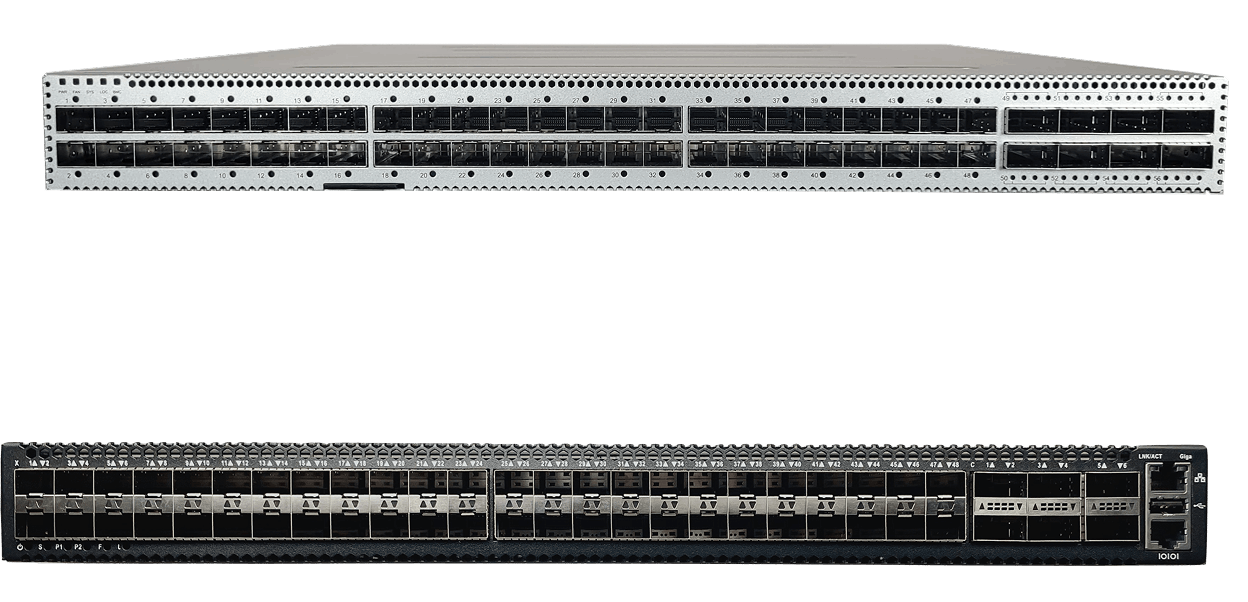
Network Critical's SmartNA-XL aggregates TAP output from multiple legacy and modern links into a single feed for SOC and compliance tools, supporting the 1G and 10G speeds common across older SCADA infrastructure. 

Single-pane configuration with Drag-n-Vu

Drag-n-Vu gives OT engineers who are SCADA and PLC experts, not network specialists, a drag-and-drop interface for configuring aggregation and filtering without vendor hand-holding or command-line complexity. 

Best one-way OT monitoring solution for industrial OT environments 

Where a data diode is overkill and SPAN is unsafe, Network Critical's Passive Fiber Optical TAPs give OT teams full duplex visibility with no active device and no power draw in the control path.

Passive Fiber Optical TAPs

  • Zero power required, eliminating any single point of failure in the OT path
  • Complete mirror copy of full duplex traffic, including errors, for monitoring and security tools
  • One-way design prevents any data path back onto the live production network
  • Insertion loss as low as 1.3dB, preserving signal integrity on long fiber runs
  • Up to 16 TAPs in 1RU for the highest port density in the category
  • Preconfigured split ratios for 1/10G multi-mode or 1/10/40/100G single-mode fiber, no setup required
  • No active electronics, so there is no firmware to patch or configuration to maintain
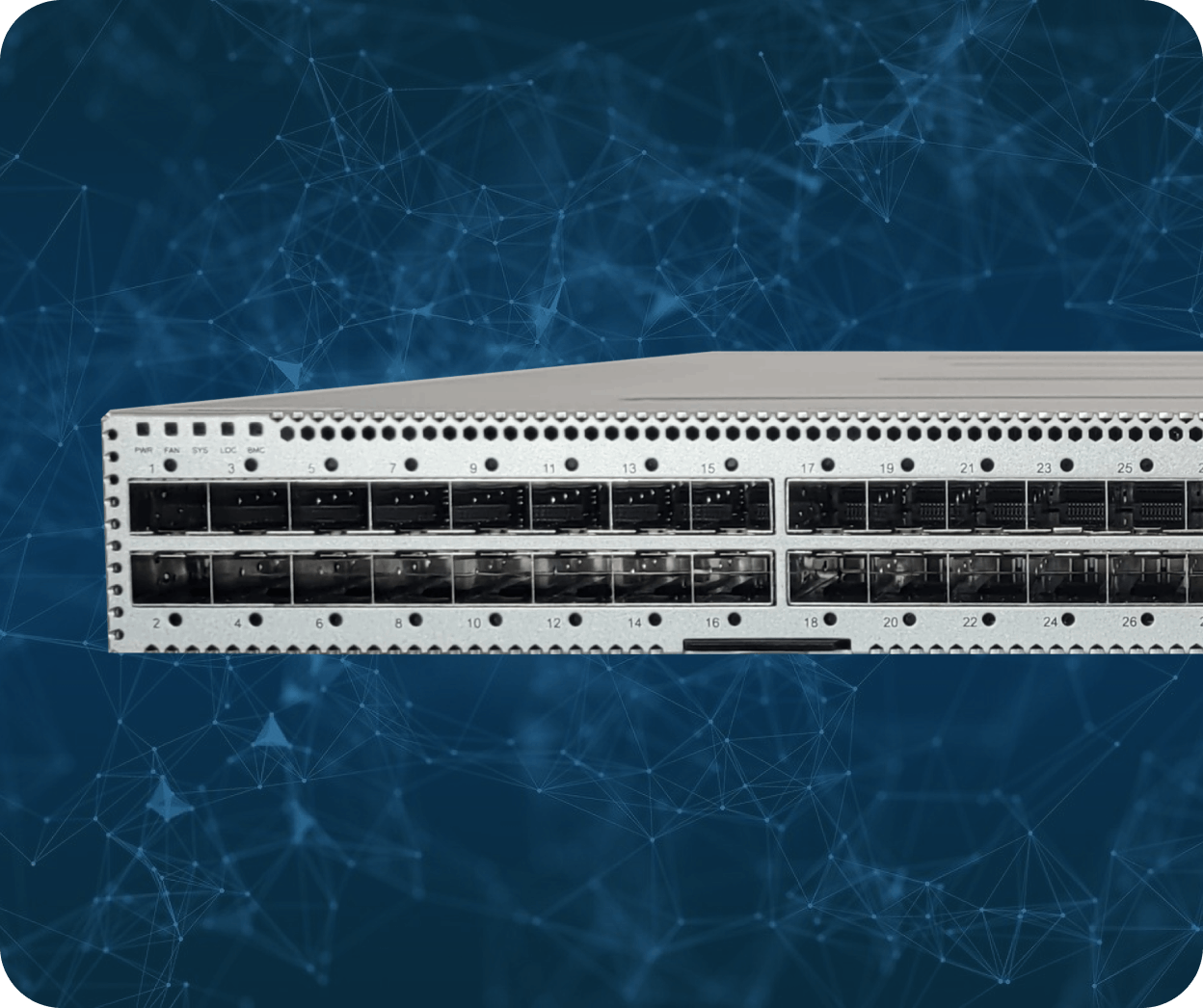
SmartNA-PortPlus on blue background
person typing on futuristic laptop

When Passive Fiber Optical TAPs are the right fit

  • You need to prove continuous segmentation monitoring for IEC 62443 or NIS2 audits, not a sampled snapshot.
  • You cannot allow any active device or configuration change inside the SCADA or PLC network path.
  • You are deploying to remote sites with no spare power, rack space or cooling for active hardware.
  • You want full duplex visibility for a SOC or compliance team, not a single-direction data feed.

Case studies: one-way OT monitoring versus data diodes in industrial OT environments

BP

BP connected switches, firmware, inventory and security tooling across refineries spanning ten to twelve buildings using Network Critical Passive Fiber Optical TAPs. The passive connection captures full duplex traffic including errors without touching live production traffic, and the fail-safe, unpowered design fits remote and space-constrained refinery locations. 

Read more

Darktrace

Darktrace integrates its AI threat detection platform with Network Critical SmartNA-PortPlus over API for SOC workflows. This is a cross-sector security integration rather than an OT-specific deployment, included here as the closest parallel for teams pairing passive TAP visibility with anomaly detection tooling. 

Read more
BP-1


Unauthorized manipulation of our monitoring systems can have serious safety and production consequences. Network Critical TAP's help us manage security without impacting network traffic." 

 —  Director, IT Services, BP 


Why SPAN ports fail for industrial OT environments 

SPAN ports need an active switch in the path

SPAN mirroring depends on the production switch itself, meaning any switch reconfiguration, reboot or failure can interrupt the very visibility OT teams rely on. Network Critical's Passive Fiber Optical TAPs sit outside switch dependency entirely, copying traffic optically before it reaches any active device. 

SPAN drops packets exactly when it matters

Switches deprioritize SPAN traffic under load, so packet loss increases during the anomaly spikes and change windows when forensic and compliance evidence matters most. A passive TAP captures every packet, including errors, regardless of traffic volume. 

SPAN offers no fail-safe guarantee during power loss

A SPAN port depends on live switch power and configuration, so it has no answer for the OT requirement of fail-safe operation. Network Critical's SmartNA-XL and Passive Fiber Optical TAPs remain in the traffic path with physical bypass or zero power draw even during an outage. 

Why choose Network Critical for one-way OT monitoring versus data diodes

Network Critical has delivered passive, fail-safe visibility into OT and industrial control environments for BP's refinery operations and other critical infrastructure customers. Where a data diode moves a single stream one way, Network Critical's Passive Fiber Optical TAPs give teams a live, full duplex copy for monitoring.

That distinction matters for IEC 62443 and NIS2 evidence. Continuous, tool-agnostic PCAP output feeds any SIEM, NDR or SOC platform a team already runs, including the Darktrace integration used for anomaly detection. Network Critical's SmartNA-XL aggregates that output without vendor lock-in or subscription fees.

Perpetual licensing, UK manufacturing, and 40 to 60 percent lower cost than enterprise visibility platforms make the economics work at the multi-site scale OT programs require. See the network TAPs range or read the BP case study for the full deployment detail.

Frequently asked questions about one-way OT monitoring versus data diodes 

  • A data diode moves one data stream in a single direction between security zones, typically for data transfer. A network TAP copies a live, full duplex traffic stream passively so monitoring and security tools can see both directions of OT communication without transferring anything. 
  • Not for one-way data transfer between zones, which remains a diode's job. For segmentation monitoring, which is what most IEC 62443 evidence requires, Passive Fiber Optical TAPs are the better fit because they capture full duplex traffic for audit and anomaly detection. 
  • No. Network Critical's Passive Fiber Optical TAPs use no power at all, splitting the optical signal itself to create a monitoring copy. That removes any risk of the OT network being affected by a power glitch, which matters most at remote or unmanned sites. 
  • The TAP's one-way design sends a copy of traffic out to the monitoring port only. There is no return path from the monitoring or security tools back into the live link, which is the specific backflow risk OT engineers flag when evaluating visibility options. 

  • Yes. Passive Fiber Optical TAPs have no active electronics, so there is nothing that can fail, reboot, or introduce latency into the SCADA or PLC path. BP used this approach across the BP case study refinery deployment spanning ten to twelve buildings. 
  • It refers to the physical split that sends a copy of traffic to monitoring tools with no path back onto the live link, described on the Passive Fiber Optical TAPs page as stronger security through one-way design preventing data backflow. It is not a data-transfer diode function. 
  • SPAN depends on the production switch, so a reboot, reconfiguration or overload can interrupt monitoring and drop packets during the traffic spikes that matter most for forensic evidence. See network TAPs vs SPAN for the full comparison against passive TAP capture. 

  • Passive Fiber Optical TAPs capture continuous, full duplex traffic across Purdue Model zone boundaries without bridging them, giving OT security leads an audit trail rather than a sampled snapshot for segmentation monitoring evidence and change-window validation. 
  • Yes. Output is tool-agnostic PCAP, so it feeds any SIEM, NDR or analytics platform already in use. Network Critical's Darktrace integration is one example of pairing TAP visibility with an AI-driven detection platform over API. 
  • Up to 16 Passive Fiber Optical TAPs fit in a single 1RU, which matters for OT sites like refineries or substations where rack space and control cabinet room are limited. This density is one reason a passive optical approach outperforms bulkier active alternatives at constrained sites. 

  • Network Critical's SmartNA-XL aggregates TAP output from several 1G and 10G links into one feed, useful where a plant runs multiple legacy and modern OT links but has only one SOC or compliance tool to feed. 
  • Yes. BP deployed Passive Fiber Optical TAPs across multi-building refinery operations for IT and OT convergence monitoring, and the approach is documented on Network Critical's OT Cybersecurity hub.