




<img src="https://secure.leadforensics.com/97241.png" style="display:none;">

Network visibility for manufacturing plant networks

Network Critical provides network visibility for manufacturing plant networks running fail-safe TAP infrastructure across production lines, SCADA systems, and IT and OT boundaries.

Network teams at these organisations run Network Critical visibility

  • Vodafone Logo
  • HSBC Logo
  • bp logo
  • Airbus Logo
  • Darktrace Logo

How manufacturing plants gain complete production network visibility

 Manufacturing plant networks carry two kinds of traffic that rarely trust each other: corporate IT systems built for change, and operational technology (OT) running SCADA, Modbus, and DNP3 traffic that cannot tolerate an unplanned second of downtime. Plant teams need to see both without touching either. Network Critical connects monitoring, security, and compliance tools to production networks through fail-safe passive TAPs that add no active device to the OT path, as demonstrated at BP, where Passive Fiber Optical TAPs now protect both IT and OT visibility across multi-building refinery sites without a single production interruption. The result is continuous, audit-ready traffic visibility that plant engineers can deploy without SCADA reconfiguration, downtime, or risk to safety-critical operations. 
Key challenges facing manufacturing plant networks

Production downtime is not an inconvenience, it is catastrophic
Manufacturing downtime can run from one hundred thousand to over a million dollars an hour, and any tool that risks tripping a PLC or SCADA system is an automatic disqualification. Visibility has to sit outside the production path, which is why plant teams reach for Network Critical's Passive Fiber Optical TAPs first.
SPAN and active devices are a change management risk nobody wants to own
Adding a switch feature or an inline appliance to a live production network means a change request, a maintenance window, and a rollback plan, all for a tool that only mirrors traffic. Passive TAPs remove that entire conversation because there is nothing in the path to fail.
East-west OT traffic stays invisible until something breaks
Modbus, DNP3, and SCADA traffic between PLCs rarely reaches a SPAN port, so security tools and compliance auditors are working from partial data. Hybrid TAP configurations built on SmartNA-XL aggregate those links to the tools that need full visibility, without adding a second network to manage.
Legacy equipment and IT and OT convergence do not mix easily
Twenty-year-old controllers were never designed to sit on a corporate network, yet digital transformation and IIoT rollouts keep pushing IT visibility requirements into OT territory. Bridging the two safely means monitoring the boundary itself, not just one side of it.

Why manufacturing teams come to Network Critical

We help you pass IEC 62443 certification without touching the live production network.

We give plant teams continuous OT visibility ahead of the next safety audit.

We support IT and OT convergence mandates without adding risk to SCADA systems.

We keep visibility live through digital transformation and IIoT rollouts on the plant floor.

We get called in after ransomware hits an adjacent plant and the board asks questions.

We replace commodity switches with fail-safe TAPs before the next change window closes.

Key capabilities for manufacturing plant networks

Fail-safe passive monitoring with zero active devices in the OT path

 Network Critical's Passive Fiber Optical TAPs use no power and carry no IP or MAC address, so there is nothing in the production path to fail or compromise. Traffic passes through at full speed while a complete mirror copy reaches your monitoring tools. 

Hybrid TAP and packet broker aggregation in one chassis

 Hybrid TAP configurations combine TAP and packet broker functions in a single 1RU chassis, aggregating lower-speed OT links onto fewer monitoring tools without a forklift upgrade when the plant network grows. 

Zero trust segmentation purpose-built for OT

 INVIKTUS gives production networks a zero trust security layer with no IP or MAC address of its own, remaining invisible to attackers while enforcing a single verified path for every connected device. 

Single pane of glass management for plant network admins

Drag-n-Vu's drag and drop interface lets plant network administrators configure filters and port mappings themselves, without CLI expertise or a vendor engineer on site, cutting deployment time and maintenance-window risk.

The best network visibility for manufacturing plant networks starts with passive TAPs

Passive Fiber Optical TAPs

The best network visibility for manufacturing plant networks starts with fail-safe passive monitoring at the OT boundary, aggregated through a hybrid packet broker as the plant scales.

  • Passive Fiber Optical TAPs use zero power, so a lost power supply never risks live production traffic
  • Support 1Gbps to 100Gbps across multi-mode and single-mode fiber
  • Up to 16 TAPs per 1RU, the highest port density in the category, for space-constrained plant rooms and cabinets
  • Shipped preconfigured to the desired split ratio, deployed by plugging in network and tool connectors
  • No active electronics and no IP address, so there is nothing to patch, manage, or compromise
  • Captures full duplex traffic including errors, giving monitoring and security tools a complete mirror copy
  • Feeds into hybrid TAP configurations built on SmartNA-XL for aggregation when multiple OT links need consolidating onto fewer tools
  • Compatible with IDS, IPS, and OT-focused monitoring tools through standard PCAP output, with no per-port licensing fees
SmartNA-PortPlus on blue background
person typing on futuristic laptop

When Passive Fiber Optical TAPs are the right fit for manufacturing plant networks

  • You need fail-safe, zero-power monitoring with no active device in the OT path.
  • You are certifying to IEC 62443 and need continuous, audit-ready capture through every change window.
  • You operate multiple plants or remote sites with no power, space, or cooling budget for active appliances.
  • You are converging IT and OT visibility on one platform without adding a single point of failure to production.

Case studies: network visibility for manufacturing plant networks

BP

BP needed to monitor and protect both information technology and operational technology across refineries spanning ten to twelve buildings, without adding power-dependent equipment to remote or space-constrained locations. Network Critical deployed Passive Fiber Optical TAPs to give centralised security and monitoring tools a complete, fail-safe copy of traffic across every site.


Read more

Airbus

 Airbus needed to replace its network monitoring tools across multiple aircraft test rigs, capturing steering, braking, landing, and avionics data with zero impact on test accuracy. Network Critical's Network TAPs met every first flight test objective on schedule, and Airbus has since extended the deployment to A400M military aircraft testing 

Read more
BP-1


In addition to monitoring control systems, we have security tools that understand our traffic patterns and look for anomalies that might signal malware or viruses attempting to embed in our systems. Unauthorized manipulation of our monitoring systems can have serious safety and production consequences. Network Critical TAP's help us manage security without impacting network traffic." 

 —  Director, IT Services, BP case study


Why SPAN ports fail for manufacturing plant networks

SPAN puts an active device in the OT path

 Every managed switch relies on live circuitry, and adding one more active point of failure into a production line is a risk plant teams cannot accept, especially where change windows are measured in months, not hours. 

SPAN drops packets exactly when forensic capture matters most

 During a ransomware event or an anomaly spike, oversubscribed SPAN sessions silently discard traffic, leaving no audit trail for the incident review that follows and no alarm to say what was lost. See how network TAPs compare to SPAN ports

SPAN cannot support IEC 62443 segmentation evidence

 Certification programmes increasingly require documented, continuous capture, not sampled traffic. A SPAN session that drops packets during peak load cannot produce the audit-ready evidence an OT cybersecurity segmentation review demands. 

Why choose Network Critical for network visibility for manufacturing plant networks

Network Critical has spent over twenty years connecting monitoring and security tools to networks that cannot afford to go down, including BP's refinery operations and Airbus's aircraft test rigs, where zero impact on live traffic was the entry requirement, not a nice to have.

For manufacturing plant networks, that track record translates directly. Passive Fiber Optical TAPs and hybrid TAP configurations built on SmartNA-XL give plant teams fail-safe visibility without touching SCADA systems, while INVIKTUS adds zero trust segmentation, and the same tool-agnostic architecture already feeds security platforms in our Darktrace integration.

Perpetual licensing means no per-port subscription fees eating into a plant's budget every year, and Drag-n-Vu means your own team configures changes without waiting on a vendor engineer. Explore Network Critical's OT network monitoring solutions or talk to sales about your plant network.

Frequently asked questions about network visibility for manufacturing plant networks

  •  Network visibility for manufacturing plant networks means capturing a complete, unaltered copy of traffic across production and OT systems so monitoring, security, and compliance tools can see everything without touching the live network. Network Critical delivers this through passive fiber optical TAPs that add zero active devices to the production path. 

  •  SPAN ports mirror traffic through a switch feature that shares CPU resources with switching itself, so they drop packets during peak traffic or anomaly spikes, exactly when forensic evidence matters most. They also require a change window on a live switch, which most plant change-control policies will not approve without extensive testing. Compare network TAPs vs SPAN for the full picture. 

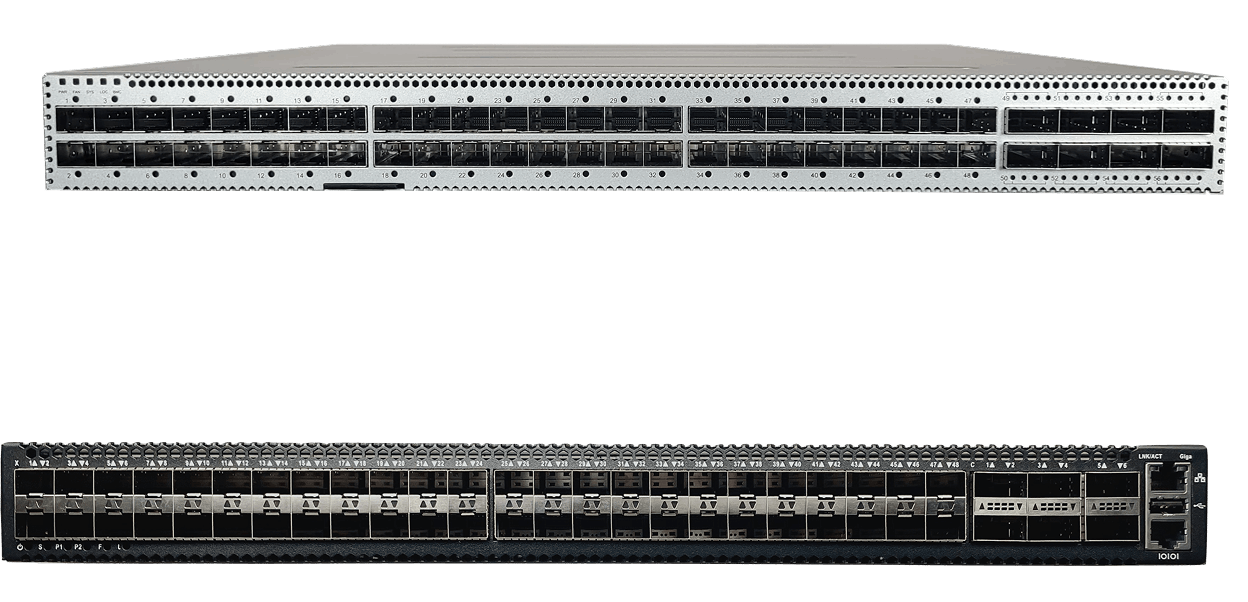
  • A hybrid TAP combines a TAP and a packet broker in a single chassis, connecting to network links and aggregating traffic to monitoring tools without separate devices. Network Critical's SmartNA-XL suits manufacturing plants because it reduces the footprint and cabling needed in space-constrained control rooms.
  •  Network Critical's Passive Fiber Optical TAPs and hybrid packet brokers provide continuous, audit-ready capture across OT cybersecurity segmentation boundaries, which IEC 62443 certification programmes increasingly require as evidence rather than a policy statement. Drag-n-Vu also produces configuration records that support documented change control during an audit. 

  • Yes. Network Critical's Passive Fiber Optical TAPs use no power and carry no IP or MAC address, so live traffic passes through at full speed while a mirror copy reaches monitoring tools. This is the same passive approach BP uses to protect its refinery IT and OT systems.


  • A network TAP creates a passive access point to a physical link and copies traffic without altering it, while a packet broker aggregates, filters, and distributes that copied traffic to the correct monitoring or security tools. Network Critical's SmartNA-XL combines both functions in one chassis for plant networks with multiple links.
  •  INVIKTUS enforces a zero trust architecture with no IP or MAC address of its own, so it remains invisible on the network while validating every user, application, and device before granting a single defined path. Unauthorized traffic outside that path is blocked automatically, without disrupting production systems. 

  • Network Critical's hybrid TAP configurations connect passively to the physical links carrying SCADA, Modbus, and DNP3 traffic, mirroring that traffic to monitoring tools without inserting an active device between PLCs and controllers. This lets security and compliance tools see east-west OT traffic that SPAN typically misses.
  • Drag-n-Vu replaces manual configuration with a drag and drop interface, so plant network administrators can create filters and port mappings themselves without CLI expertise or a vendor engineer on site. Typical deployments complete in under two hours using this interface.
  •  Passive Fiber Optical TAPs use no power at all, so there is no scenario where a power loss affects them. For active hybrid TAP configurations, failsafe technology keeps live traffic passing through even if the unit itself loses power, protecting production continuity at all times. 

  • Network Critical's perpetual licensing model runs 40 to 60 per cent lower in three-year total cost than subscription-driven monitoring stacks, with no recurring per-port fees. This matters most for OT budgets, which are typically smaller and more price-sensitive than corporate IT budgets. Explore network visibility solutions for the full portfolio.
  •  Yes. Passive Fiber Optical TAPs require no power and no ongoing configuration, which suits remote or unmanned sites with limited power, space, or cooling. BP uses this approach to centrally monitor refinery and platform sites without stationing engineers at every remote location.