




<img src="https://secure.leadforensics.com/97241.png" style="display:none;">

Network visibility for manufacturing plant networks

Network Critical provides network TAPs for utility and power grid networks running SCADA, ICS, and substation automation systems that cannot tolerate downtime, packet loss, or an active device in the OT path.

Network teams at these organisations run Network Critical visibility

  • Vodafone Logo
  • HSBC Logo
  • bp logo
  • Airbus Logo
  • Darktrace Logo

Visibility across substations, control centres, and grid operations

Utility and power grid operators run some of the least forgiving networks in the industry. Substation SCADA links, ICS control loops, and grid telemetry cannot absorb dropped packets, added latency, or an active device that might fail mid-operation. Network Critical's Passive Fiber Optical TAPs and SmartNA-XL hybrid TAP and packet broker give operators a passive, fail-safe way to feed monitoring, security, and compliance tools without touching the live control network. The approach mirrors deployments in adjacent critical infrastructure sectors: BP relies on Network Critical Passive Fiber Optical TAPs to monitor IT and OT traffic across geographically remote refineries, the same operational pattern utilities face across distributed substations and remote generation sites.

Key challenges facing utility and power grid networks

Grid downtime is not an option
Any outage on a substation link or control loop carries cascading cost and safety risk, not just inconvenience. Utilities cannot accept an active device that might fail mid-operation. Network Critical's Passive Fiber Optical TAPs and SmartNA-XL hybrid TAP connect passively, so live traffic keeps flowing even if the device loses power.
SPAN cannot see SCADA and ICS traffic reliably
Switch-based SPAN ports drop packets under load and were never built for Modbus, DNP3, or other OT protocols running at low, steady rates alongside bursty IT traffic. Utilities need a dedicated access layer, not a mirrored port fighting for switch CPU cycles during the exact moment an anomaly needs capturing.
Legacy substation equipment resists change
Many substations run switches and RTUs that are more than 20 years old, with no spare capacity for inline monitoring appliances. Change windows are measured in months, not hours. Network Critical's INVIKTUS and Passive Fiber Optical TAPs deploy without reconfiguring existing equipment, so ageing infrastructure stays untouched while visibility improves.
LIT and OT convergence widens the attack surface
Corporate IT teams pushing Zero Trust and segmentation monitoring into OT networks introduce real risk if the visibility layer itself becomes another target. Utilities need east to west traffic capture across the IT and OT boundary that does not expose the control network to compromise.

Why utility and power grid teams come to Network Critical

We help utilities certify to IEC 62443 without touching live production traffic

We support IT and OT convergence programmes that need visibility, not added attack surface

We replace SPAN with fail-safe passive capture across remote substations and control centres

We give compliance teams continuous, audit-ready capture for NERC CIP and NIS2 evidence

We help ageing grid infrastructure gain visibility without a forklift equipment upgrade

We connect security tools to SCADA traffic without risking production downtime

Key capabilities for utility and power grid networks

Fail-safe passive capture

 Network Critical's Passive Fiber Optical TAPs use no power and add no risk of network impact from power glitches, a common problem at remote substations. Traffic keeps flowing at full speed even if the TAP itself is disconnected. o power and carry no IP or MAC address, so there is nothing in the production path to fail or compromise. Traffic passes through at full speed while a complete mirror copy reaches your monitoring tools. 

Hybrid TAP and packet broker aggregation

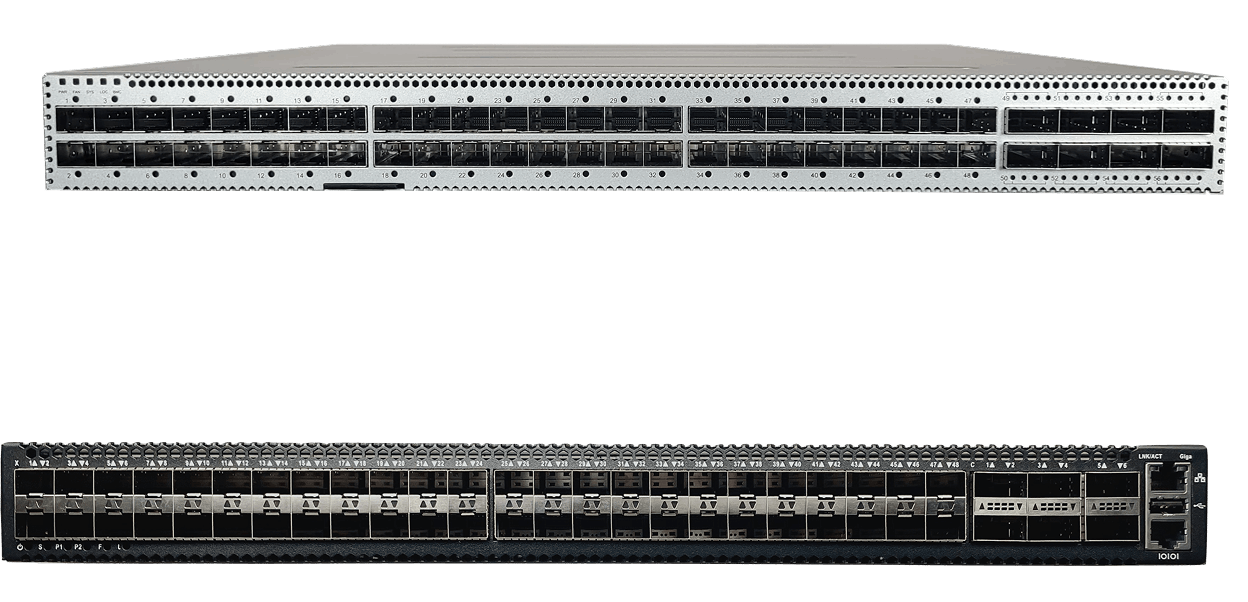
 Network Critical's SmartNA-XL combines TAP and packet broker functions in a single 1RU chassis, aggregating multiple substation links to fewer monitoring and security tools. Even if power to the unit fails, live traffic continues passing through unaffected. 

Zero trust segmentation with INVIKTUS

 Network Critical's INVIKTUS gives utilities an invisible, unhackable layer for critical control segments, with no IP or MAC address for an attacker to target. Policy-based Lock and Leave configuration means minimal ongoing maintenance for stretched OT teams. 

Unified management with Drag-n-Vu

 Network Critical's Drag-n-Vu drag and drop interface lets utility network teams configure filtering, aggregation, and port mapping without specialist engineering support, reducing the operational burden on OT teams who are SCADA and PLC experts, not network visibility specialists. 

Best network TAPs solution for utility and power grid networks

Passive Fiber Optical TAPs: fail-safe visibility for substations and control centres

For utilities running remote substations with no reliable power, Network Critical's Passive Fiber Optical TAPs remove the single biggest OT objection: an active device that could fail and interrupt production traffic.

  • Zero-power passive optical design, no risk from power loss at remote sites
  • Supports 1G to 10G on multi-mode fibre, 1/10/40/100G on single-mode fibre
  • Up to 16 TAPs in a single 1RU chassis for space-constrained control rooms
  • Insertion loss as low as 1.3dB
  • Pre-configured to the desired split ratio, no active configuration or ongoing maintenance
  • One-way design prevents data backflow into the live control network
  • Captures full duplex traffic, including errors, as a complete copy for monitoring and security tools
  • Pairs with SmartNA-XL for AC or DC-powered aggregation at control centres, DC input from -42V to -63V
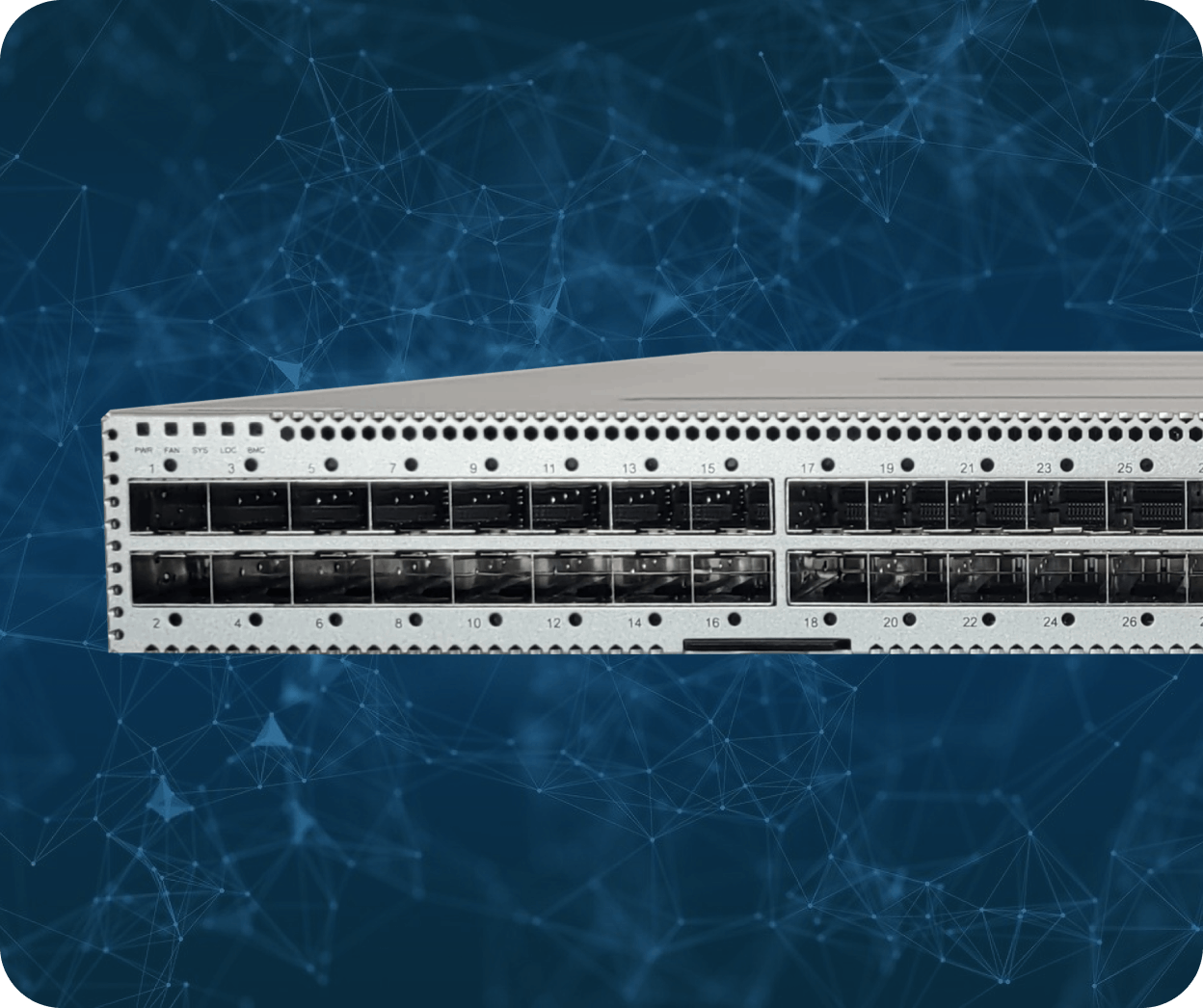
SmartNA-PortPlus on blue background
person typing on futuristic laptop

When Passive Fiber Optical TAPs are the right fit

  • You're monitoring substations, control centres, or SCADA links where any active device is a safety risk
  • You're certifying to IEC 62443 or documenting NERC CIP compliance and need continuous, audit-ready capture
  • You're deploying across remote substations with no reliable power, space, or cooling for active equipment
  • You're converging IT and OT visibility and need dedicated OT monitoring, not shared switch capacity

Case studies: network TAPs in utility and power grid networks

BP

BP connects monitoring and security tools across refineries spanning 10 to 12 buildings using Network Critical's Passive Fiber Optical TAPs, giving IT and OT teams a complete copy of live traffic without adding power draw, configuration overhead, or safety risk at remote and multi-building sites.

Read more

Darktrace

Darktrace integrates its AI threat detection platform with Network Critical's SmartNA-PortPlus through an API-driven workflow, feeding autonomous traffic control decisions from live network data, a pattern that applies directly to utility SOC teams needing automated response fed by complete, unsampled traffic.

Read more
BP-1


 Continuous monitoring is critical to digitization and automation of our many monitoring systems. Being able to monitor remote sites from a single location keeps our systems up to date without having a large staff running around in trucks." 

 —  Senior Project Manager, Refining Operations, BP


Why SPAN ports fail for utility and power grid networks

SPAN requires an active device in the OT path

 SPAN itself sits on a switch, but many SPAN-fed monitoring deployments still add active taps or agents inline to reach OT segments, introducing exactly the failure point utilities cannot accept. Network Critical's Passive Fiber Optical TAPs stay passive throughout, with zero risk of interrupting production traffic. 

SPAN cannot deliver continuous capture during change windows

 Reconfiguring a SPAN session during a brief maintenance window risks missing exactly the traffic auditors want to see. NERC CIP and IEC 62443 evidence needs continuous, gap-free capture, not a mirrored port reconfigured under time pressure by a stretched OT team. 

SPAN scales poorly across remote substations

Most switches support only 2 to 4 concurrent SPAN sessions, and remote substations rarely have spare switch capacity or staff on site to configure it correctly. Network Critical's SmartNA-XL and Passive Fiber Optical TAPs deploy without touching the switch, so remote sites gain visibility without adding switch-side risk.


Why choose Network Critical for network TAPs for utility and power grid networks

Utilities get enterprise-grade visibility without enterprise pricing or complexity. Network Critical's Passive Fiber Optical TAPs and SmartNA-XL hybrid TAP and packet broker cost 40 to 60% less than traditional packet broker vendors, with transparent, perpetual licensing and no per-port subscription fees to manage across a fleet of substations.

Deployment stays simple even for teams who are SCADA and PLC experts first. Drag-n-Vu's drag and drop configuration and INVIKTUS's Lock and Leave policy model mean utility OT teams are not left managing a second specialist visibility platform on top of grid operations.

The track record is real: BP relies on Network Critical to monitor IT and OT traffic across remote refineries, Darktrace integrates its threat detection platform through Network Critical's API, and the State of Maryland runs its unified communications visibility on Network Critical's SmartNA-XL. Backed by UK manufacturing, global 24/7 support, and over 20 years in critical infrastructure networks.

Frequently asked questions about network TAPs for utility and power grid networks

  •  A network TAP is a passive hardware device that copies live traffic to a monitoring tool without touching the data path. Utilities prefer TAPs because network TAPs capture traffic differently to SPAN ports, avoiding the packet loss that comes with mirrored switch ports under load. 

  •  Yes. Passive Fiber Optical TAPs draw no power and introduce no active component into the traffic path, so a TAP failure cannot interrupt SCADA or ICS communication. This is why utilities favour TAPs over inline monitoring appliances for production control networks. 

  •  Network Critical's TAPs deliver the continuous, complete traffic capture that NERC CIP and IEC 62443 compliance programmes require as audit evidence. Because capture is passive and gap-free, utilities can document monitoring coverage without the sampling gaps SPAN-based evidence often carries. 
  •  No. Passive Fiber Optical TAPs use no power at all, so there is no risk of a power glitch at an unmanned substation interrupting monitoring. Live traffic and the mirrored copy both continue regardless of the site's power state. 

  •  IEC 62443 defines security zones and conduits across the Purdue Model, and segmentation monitoring across those zones is a core requirement. Network Critical's OT Network Monitoring solutions enable that visibility without bridging zones or exposing Level 0 to Level 4 traffic. 

  •  A TAP is a dedicated hardware device that copies every packet, including errors, with no dependency on switch CPU. A SPAN port shares switch resources and drops packets under load, detailed in Network Critical's TAP versus SPAN comparison
  •  Yes. Because Network Critical's Passive Fiber Optical TAPs and SmartNA-XL capture every packet passively, Modbus, DNP3, and other SCADA protocols reach monitoring and security tools intact, with no protocol-specific configuration required on the TAP itself. 

  •  INVIKTUS gives utilities a zero trust layer between IT and OT networks that is invisible to network scanning, so convergence projects can add visibility and segmentation monitoring without expanding the OT attack surface. 
  •  INVIKTUS is Network Critical's zero trust cybersecurity system, built on three pillars: invisible, unhackable, and Lock and Leave policy configuration. For utilities, it adds a background security layer to critical control segments without requiring dedicated ongoing management. Learn more about INVIKTUS
  •  Yes. Passive Fiber Optical TAPs and SmartNA-XL hybrid TAPs connect passively, with no configuration changes to SCADA systems or PLCs. Deployment fits within a brief maintenance window, and if the unit itself loses power, live traffic continues uninterrupted. 

  •  Aggregating traffic through SmartNA-XL lets utilities feed multiple monitoring, security, and compliance tools from a single set of TAPs, cutting the cost of putting a dedicated tool on every substation link. 
  •  Drag-n-Vu is Network Critical's drag and drop management interface, letting OT teams configure filtering, aggregation, and port mapping without specialist network engineering support, reducing the operational burden on lean utility teams.