




<img src="https://secure.leadforensics.com/97241.png" style="display:none;">

Network monitoring tool aggregation for hospitality

Network Critical provides network monitoring tool aggregation for hospitality and leisure operators running mixed copper and fibre links across multiple sites, so one security tool can protect many live links.

Network teams at these organisations run Network Critical visibility

  • Vodafone Logo
  • HSBC Logo
  • bp logo
  • Airbus Logo
  • Darktrace Logo

Proven security tool aggregation for mixed-media leisure networks

Hospitality and leisure operators hold card details, customer accounts and guest data on networks that have grown site by site, with copper and fibre links of different types side by side. A dedicated security tool on every live link rarely fits the budget. Network monitoring tool aggregation for hospitality fixes this at the access layer: a network TAP copies each live link without touching it, and a packet broker combines those copies onto fewer, faster tool ports, filtered so each tool sees only the traffic it needs. In the Bourne Leisure deployment, SmartNA-XL connects eight live 1Gbps links to a single 10Gbps security tool at each data centre.

Key challenges facing hospitality and leisure operators

More live links than security tools
Operators invest in strong security tools, then find they cannot afford one on every live link. The unprotected links become blind spots. Network Critical's SmartNA-XL aggregates several under-used links onto one tool port, so a single tool protects many links.
Copper and fibre that tools cannot connect to
Years of growth leave a mix of copper, multi-mode fibre and single-mode fibre links, while security tools ship with standard ports. Network Critical's hybrid TAPs accept each media type in one chassis and convert it for the tool, with no change to existing cabling.
Proving monitoring coverage for PCI DSS
PCI DSS (Payment Card Industry Data Security Standard) assessments ask for proof that monitoring covers card data traffic. Sampled or dropped packets make that hard to show. Network Critical's Passive Fiber TAPs pass full duplex traffic, including errors, so tools receive a complete copy.
Inline tools that must never take guests offline
Inline security tools, such as an intrusion prevention system (IPS), sit directly in the traffic path. If one fails, bookings and payments can stop with it. Network Critical's Bypass TAPs route live traffic around a failed inline tool automatically.

Why hospitality and leisure teams come to Network Critical

We bought an AI security tool and cannot afford one for every link.

Our PCI DSS assessment flagged gaps in how we prove monitoring coverage.

Our sites mix copper and fibre links our security tools cannot plug into.

We think SPAN is dropping packets, and nothing alerts us when it does.

We are adding tools to more links and will not replace hardware to do it.

A ransomware near-miss left our board asking what our tools actually saw.

Key capabilities for hospitality and leisure operators

Many-to-one link aggregation

Network Critical's SmartNA-XL combines traffic from several live links onto one faster tool port. Eight 1Gbps links feeding one 10Gbps tool is the proven pattern, so a single tool purchase protects eight links instead of one. 

Mixed media in one 1RU chassis

Five slots take TAP modules for copper, multi-mode fibre and single-mode fibre, with media conversion to the tool's ports. You keep existing cabling and save rack space and power at each site. 

Filtering that keeps tools focused

Layer 2 to 4 filtering, load balancing and port mapping send each tool only the traffic it needs. Network Critical's Drag-n-Vu sets this up by drag and drop, so administrators make changes without specialist engineers. 

Growth without forklift upgrades

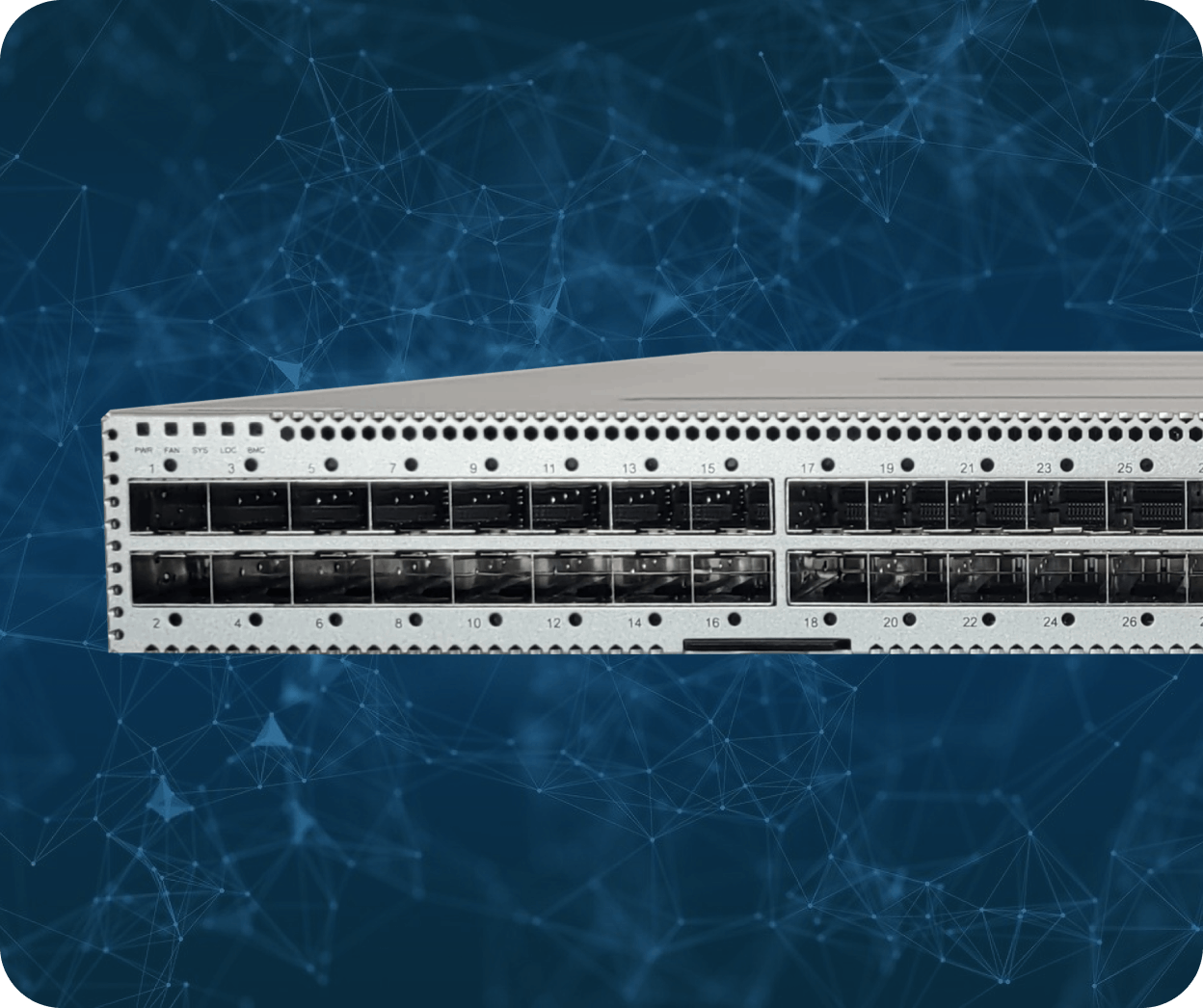
Add TAP modules as more links need cover. When requirements outgrow the chassis, Network Critical's SmartNA-PortPlus scales from 48 to 194 ports at 1G to 100G, and the first unit stays in service. 

Best network monitoring tool aggregation solution for hospitality and leisure operators

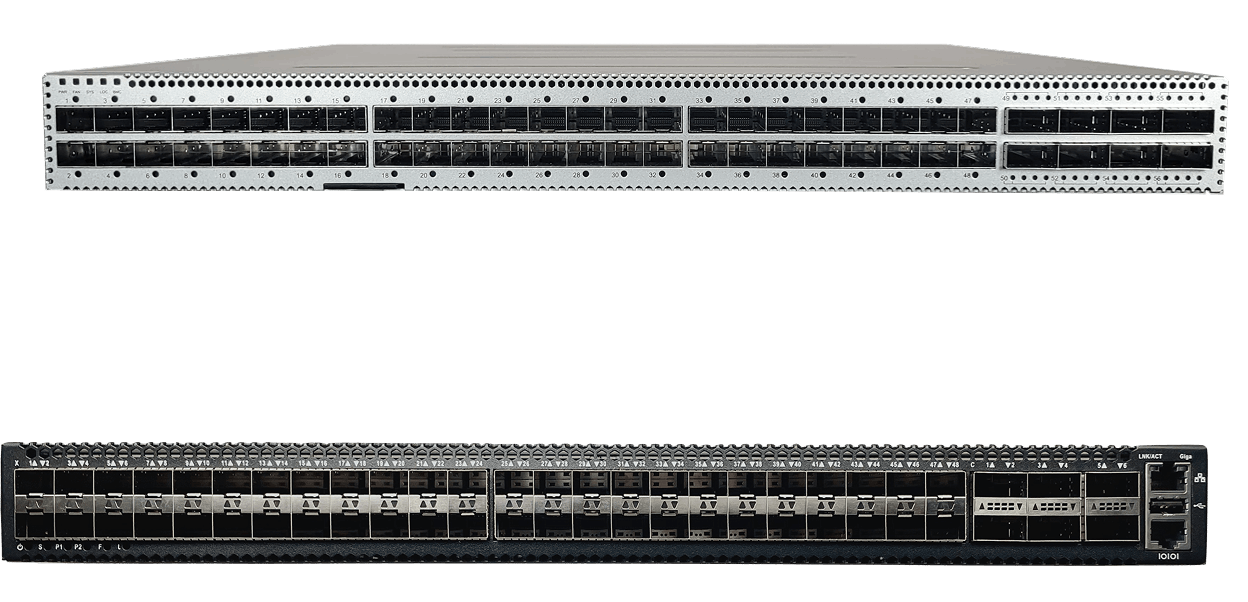
SmartNA-XL: hybrid TAP and packet broker for security tool aggregation

  • Modular 1RU chassis with five slots: four front-facing, one rear for stacking units
  • Up to 20 ports at 1/10Gbps (SFP/SFP+) or 4 ports at 40Gbps (QSFP)
  • Non-blocking backplane for traffic from 10Mbps to 40Gbps
  • TAP modules for RJ45 copper, multi-mode fibre and single-mode fibre links
  • Fail-safe access: live traffic keeps flowing if the chassis loses power
  • Aggregation, L2 to 4 filtering, load balancing and port mapping through Drag-n-Vu
  • PacketPro modules for packet slicing, header stripping and payload masking
  • Dual hot-swap power supplies, with RADIUS, TACACS+ and SNMP v1/v2c/v3 management
SmartNA-PortPlus on blue background
person typing on futuristic laptop

When SmartNA-XL is the right fit


  • You have more critical links than security tools, and your tools have spare processing capacity.
  • Your links mix copper, multi-mode fibre and single-mode fibre, and you want them in one 1RU chassis.
  • Your live links run at 1Gbps or 10Gbps, feeding tools at 10Gbps or 40Gbps.
  • You want to start with your most critical links and add modules as more sites or tools come online.

Case studies: network monitoring tool aggregation in hospitality and leisure

The European leisure park operator needed to connect new AI security tools to copper, multi-mode fibre and single-mode fibre links without buying a tool for each link. SmartNA-XL now feeds eight live 1Gbps links into one 10Gbps tool at each data centre, an 8:1 ratio the company reports as an eightfold CAPEX saving. 

Read the leisure case study

Darktrace's self-learning AI security tool needed traffic feeds that adapt as fast as its detections. The integrated API on SmartNA-PortPlus lets Darktrace control filtering and port mapping directly over standard HTTP and JSON, so the tool receives only the traffic it needs, with no manual reconfiguration. 

Read the Darktrace case study
Bourne leisure logo


 We chose the Network Critical equipment because of its flexibility to connect different types of live links to a space saving 1RU system and aggregate multiple links to a single tool." 

 —   Head of Network Architecture, Bourne Leisure. Read the full Bourne Leisure case study. 


Why SPAN ports fail for hospitality and leisure operators

SPAN drops packets when traffic peaks

SPAN mirrors traffic using spare switch resources, and it is oversubscribed when several busy ports feed one destination. During peak periods packets drop silently, and tools report only what they received. Network TAPs copy every packet in hardware, whatever the load.

SPAN cannot aggregate many links into one tool

 Most switches support only two to four SPAN sessions, so feeding one security tool from links spread across switches and sites soon runs out of road. A packet broker aggregates TAP feeds from any switch into a single tool port, with filtering applied. 

SPAN weakens PCI DSS evidence

A dropped packet leaves no trace, so you cannot show that monitoring saw all card data traffic. That makes coverage hard to prove at assessment time. Passive Fiber TAPs send a complete copy of each link, including errors, using no power. 

Why choose Network Critical for network monitoring tool aggregation in hospitality

Network Critical gives leisure and hospitality operators enterprise-grade visibility without enterprise pricing or complexity. SmartNA-XL is sold on a perpetual licence with no subscription fees, and modelled three-year ownership costs run 40 to 60% below enterprise visibility platforms. Aggregation adds to the saving, because you need fewer tools to cover the same links.

The proof sits in live networks. Bourne Leisure protects eight links with one security tool at each data centre. Darktrace controls packet broker filtering through an API, and the State of Maryland Department of IT runs SmartNA-XL across multiple interfaces.

Drag-n-Vu lets your administrators build filters and aggregation pools by drag and drop. Behind it sits UK manufacturing, a US office, 24/7 support and over 20 years in network access technology.

Frequently asked questions about network monitoring tool aggregation for hospitality

  •  Network monitoring tool aggregation for hospitality combines traffic copied from many live links onto fewer, faster security and monitoring tool ports. It lets hotel, holiday park and leisure operators protect every critical link without buying a tool per link. A packet broker such as SmartNA-XL does the combining, filtering and load balancing. 

  •  A network TAP copies every packet in hardware, while a SPAN port mirrors traffic using spare switch resources and drops packets under load. TAPs also fail safe, so live traffic keeps flowing if the TAP loses power. Our guide to network TAPs vs SPAN covers the differences in detail. 

  •  Your security tools miss traffic, and nothing alerts you. A tool can only analyse what it receives, so a missed packet can hide malware probing for card data or guest records. Full network packet capture from a TAP gives your tools the complete stream instead. 
  •  It depends on the tool's processing capacity and how busy each link is. Bourne Leisure connects eight live 1Gbps links to one 10Gbps security tool at each data centre, an 8:1 ratio. The leisure case study explains how the design came together. 

  •  Yes. SmartNA-XL takes TAP modules for RJ45 copper, multi-mode fibre and single-mode fibre in its five-slot 1RU chassis. It converts media for the tool, so a 10Gbps optical tool can monitor copper and fibre links with no change to existing cabling. 

  •  It helps you show coverage. Aggregation lets you put every in-scope link in front of a security tool, and TAPs deliver complete copies rather than sampled traffic. The SmartNA-XL datasheet names PCI DSS among the regulations it supports, and PacketPro modules add payload masking. See our network security monitoring solutions. 
  •  SmartNA-XL sends standard traffic copies to any monitoring or security tool, including AI-driven ones. Bourne Leisure uses it to feed AI security tools that predict and identify malware. For automated control, the SmartNA-PortPlus API lets tools such as Darktrace adjust filters and port maps themselves. 

  •  Guest traffic keeps flowing. SmartNA-XL TAP modules are fail-safe, Fastfail copper modules need no batteries, and passive optical modules use no power at all. For inline tools, Bypass TAPs route traffic around a failed appliance automatically. 
  •  Not hard. Drag-n-Vu builds filters and port maps by drag and drop, and its eZ Agg feature creates aggregation pools 30 times faster. It warns you before you create a path that would cause problems, so network administrators can manage changes without specialist engineers. 
  •  Start with media support, aggregation ratio and filtering. Check the unit handles your copper and fibre types, fails safe on power loss and filters at Layer 2 to 4. Then look at licensing and the growth path. Our hybrid TAP and packet broker range covers each point. 

  •  Network Critical sells on perpetual licences with transparent pricing and no subscription fees. Aggregation also cuts the number of tools you buy, which is where much of the saving sits. Talk to our sales team for a costed design based on your links and tools. 
  •  You add capacity rather than replacing hardware. SmartNA-PortPlus scales from 48 to 194 ports at 1G to 100G by adding 48-port units, and the original unit stays in service. Bourne Leisure has already planned this route for future tool deployments.