




<img src="https://secure.leadforensics.com/97241.png" style="display:none;">

Bypass TAPs for inline fraud detection in financial services

Network Critical provides bypass TAPs for financial services running inline fraud detection, IPS, and transaction monitoring tools that cannot tolerate unplanned downtime.

Network teams at these organisations run Network Critical visibility

  • Vodafone Logo
  • HSBC Logo
  • bp logo
  • Airbus Logo
  • Darktrace Logo

Protecting inline fraud detection without protecting SPAN's blind spots

Financial services networks run inline fraud detection, intrusion prevention, and transaction monitoring appliances directly in the traffic path, where a single tool failure can either take the network down or force a fail-open that hides fraud in progress. Bypass TAPs sit ahead of these inline tools and continuously heartbeat-monitor them, automatically rerouting traffic the instant a tool stops responding so live transaction flow never stops. This is a different problem to the zero-latency out-of-band monitoring that passive fiber TAPs solve, and it is the specific gap HSBC's global monitoring deployment highlights: keeping inline tools resilient, not just visible, across a network processing millions of transactions a day.

 Key challenges facing financial services 

Latency cost on trading revenue
Every millisecond of added latency on a trading floor has a direct revenue cost, and inline security or fraud tools are a common source of it. Teams need inline protection that adds no measurable delay. Network Critical's Bypass TAPs sit passively in line until a tool fails, so healthy traffic never routes through extra hops.
MiFID II 100% capture requirement
MiFID II and SOX audits demand continuous, complete capture, not sampled data. SPAN-based monitoring cannot prove 100% coverage under load. Pairing Bypass TAPs with SmartNA-PortPlus aggregation gives compliance teams a documented, gap-free capture path for auditors to review.
Inline fraud tooling without disruption
Fraud detection and IPS appliances must sit in the live path, but any appliance can fail, freeze, or need a firmware patch. Without automatic failover, that single point becomes a single point of failure for the whole network. Bypass TAPs detect the failure within milliseconds and reroute traffic before customers or trading desks notice anything changed.
Cross-border data residency
Global banks run monitoring across multiple jurisdictions with different data residency rules, so visibility infrastructure has to be modular enough to deploy consistently region to region. HSBC's own deployment spanned the UK and Hong Kong on the same modular TAP architecture, proving the model scales across borders without redesign.

Why financial services teams come to Network Critical 

We can't risk an inline fraud tool becoming a single point of failure 

Our MiFID II audit needs proof of 100% capture, not samples 

A latency arbitrage investigation exposed gaps in our current monitoring 

We need to patch inline security appliances without a maintenance outage 

 Our ransomware tabletop exercise showed we can't see East-West fraud movement 

Cross-border data residency rules keep getting stricter for our regional links 

Key capabilities for financial services 

Fail-safe inline continuity

Network Critical's Bypass TAPs use continuous heartbeat signals to inline fraud detection and IPS appliances, automatically rerouting traffic in real time the moment a tool stops responding. Traffic never has to choose between security and availability, and planned maintenance no longer requires a network outage window. 

Zero-packet-loss aggregation

Aggregating multiple monitoring tools onto fewer high-capacity links cuts CAPEX without sacrificing coverage. Non-blocking backplane architecture on the SmartNA-XL platform passes traffic from 10 Mbps to 40 Gbps without dropping a packet, so fraud detection tools receive the same complete stream regardless of link speed.

Compliance-grade capture

MiFID II, SOX, and trade surveillance obligations require complete, auditable capture. Fastfail Copper Gigabit TAP modules and passive fiber options ensure every packet, including malformed frames, reaches monitoring tools, giving audit teams a documented, gap-free trail. 

Unified management

Network Critical's Drag-n-Vu web interface lets network admins configure, filter, and reroute traffic across the whole visibility fabric without CLI complexity, cutting deployment time to under two hours per site and removing dependence on specialist engineers for routine changes. 

Best bypass TAPs solution for financial services 

Bypass TAPs 

  • Automatic heartbeat-based bypass reroutes traffic in real time if an inline tool stops responding
  • V-Line Bypass modules support 1G/10G copper and SX/LX optical, plus dedicated 10G SR and LR optical bypass options
  • Dual hot-swappable AC or DC power supplies keep the chassis running through a power event
  • Modular 1RU chassis with five module bays scales bypass and TAP capacity without forklift replacement
  • PacketPro packet processing adds slicing, header stripping, and payload masking before traffic reaches monitoring tools
  • Managed through Drag-n-Vu, with CLI via SSH, web UI via HTTPS, and SNMP v1/v2c/v3
  • RADIUS and TACACS+ authentication for controlled configuration access
  • Non-blocking backplane passes traffic from 10 Mbps to 40 Gbps with zero packet loss
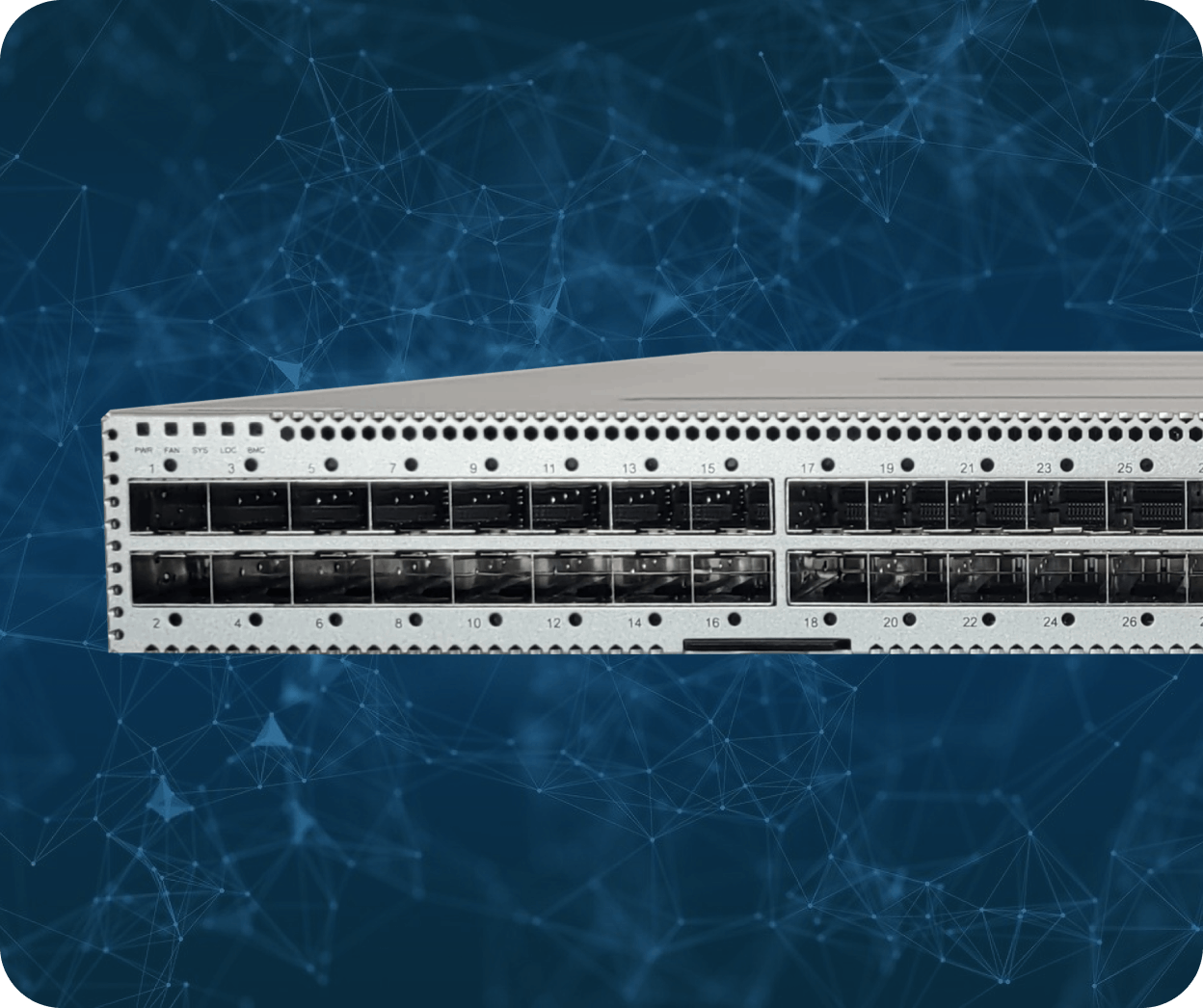
SmartNA-PortPlus on blue background
person typing on futuristic laptop

When Bypass TAPs are the right fit

  • You're running inline fraud detection, IPS, or transaction monitoring tools that can't become a single point of failure
  • You need automatic failover if an inline appliance stops responding, without dropping live trading or transaction traffic
  • You're patching or upgrading inline security tools and can't schedule a network outage window to do it
  • You're consolidating multiple inline appliances onto a resilient, modular platform instead of separate single-purpose boxes

Case studies: bypass TAPs for financial services

HSBC

HSBC deployed Network Critical's passive fiber optical TAPs and SmartNA TAPs across the UK and Hong Kong to achieve zero latency and zero network impact on their global monitoring infrastructure. The modular, hot-swappable approach let HSBC operate configurable monitoring at scale across regions without redesigning the deployment for each site. 

Read more

National telco 

A national telecommunications carrier deployed Network Critical Bypass TAPs with Drag-n-Vu management to protect a live video transport workflow where any dropped frame meant a missed sports replay call. The bypass architecture kept the inline monitoring path resilient under continuous live load, the same failure mode financial services teams face protecting inline fraud tools.


Read more
HSBC


I had great pleasure in working with HSBC and their senior network teams to create and deploy a unique global visibility network that maximizes their current and future monitoring requirements. " 

 —  Senior Technical Consultant, HSBC 


Why SPAN ports fail for financial services 

SPAN has no role protecting inline fraud tools

 SPAN only mirrors traffic out-of-band. It cannot detect an inline fraud detection or IPS appliance failing, and it cannot reroute traffic around one. When an inline tool freezes or needs a patch, SPAN offers no failover at all, leaving teams to choose between a live outage and an unmonitored gap. 

SPAN drops packets exactly when fraud detection needs them most

Under peak transaction volume or during an active fraud event, SPAN ports are the first thing to drop packets. That is precisely when fraud detection and forensic teams need complete data, not a sampled approximation of what happened. 

SPAN cannot deliver MiFID II grade audit trails

Regulators expect 100% capture with a documented chain of evidence. SPAN's sampled, load-dependent mirroring cannot prove complete coverage, leaving compliance teams exposed during a MiFID II or SOX audit when the underlying traffic record has gaps SPAN can't account for. 

Why choose Network Critical for bypass TAPs

Traditional packet broker vendors and enterprise visibility platforms sell bypass and TAP hardware as separate, premium-priced SKUs with recurring subscription costs attached. Network Critical's Bypass TAPs ship on a perpetual license with no forced renewal, at a lower three-year total cost than the enterprise incumbents financial services teams typically shortlist.

Verified deployments back the approach at both ends of the inline continuity problem: HSBC proved the modular TAP model at global bank scale, the national telco replay booth proved bypass failover under continuous live load, and the Darktrace integration shows how Network Critical hardware feeds tool-agnostic security platforms without proprietary lock-in.

Every deployment runs on the same Drag-n-Vu management layer, so financial services teams get one configuration interface across TAPs, bypass modules, and packet brokers, not a fragmented stack of single-purpose tools.

Frequently asked questions about bypass TAPs for financial services 

  • Bypass TAPs are devices that sit inline ahead of security or fraud detection appliances and automatically reroute traffic if that appliance fails. Financial services networks need them because inline fraud detection and IPS tools sit directly in transaction paths, and a tool failure without automatic failover can take the network down. Bypass TAPs remove that single point of failure. 
  • SPAN mirrors traffic out-of-band and has no inline role at all, so it cannot protect or fail over an inline appliance. Bypass TAPs sit directly in the traffic path and heartbeat-monitor the connected tool, rerouting traffic automatically the moment it stops responding. See how network TAPs compare to SPAN in more detail. 
  • Without a bypass mechanism, a failed inline appliance either takes the network segment down or forces a manual fail-open with no monitoring at all. Neither outcome is acceptable on a transaction network. Bypass TAPs detect the failure and reroute traffic automatically, keeping the network live. 

  • Bypass TAPs send continuous test signals, or heartbeats, to the connected inline appliance. When the heartbeat stops returning, the bypass module reroutes live traffic around the failed tool within milliseconds, restoring network continuity without any manual intervention. 
  • Yes. Because Bypass TAPs detect a disconnected or offline appliance the same way they detect a failure, teams can take an inline tool offline for patching or upgrades and the bypass module reroutes traffic automatically, avoiding a scheduled outage window entirely. 
  • Bypass TAPs are tool-agnostic and connect to any inline fraud detection, IPS, or firewall appliance over standard copper or optical interfaces. Output and management run through Drag-n-Vu, so existing tools plug in without custom integration work. 
  • Bypass TAPs themselves protect inline tool uptime rather than generate audit evidence directly, but pairing them with SmartNA-PortPlus aggregation and passive fiber TAPs gives compliance teams the complete, gap-free capture path that MiFID II and SOX audits require. 

  • Bypass TAPs deploy as modular V-Line Bypass modules within a 1RU SmartNA-XL chassis, supporting 1G and 10G copper or optical bypass links. The modular design scales from a single trading floor connection to a full data center footprint without a forklift upgrade. 
  • Bypass TAPs protect the inline security path, while passive fiber optical TAPs deliver zero-latency out-of-band monitoring, and SmartNA-PortPlus aggregates both into fewer monitoring tools. Together they cover inline resilience, passive visibility, and compliance capture on a single visibility fabric. 
  • A national telco's live video transport deployment used Bypass TAPs with Drag-n-Vu to keep an inline monitoring workflow resilient under continuous live load. HSBC's global deployment shows the same modular TAP architecture operating at financial services scale across regions. 

  • Network Critical ships on a perpetual hardware license with no forced subscription, running a materially lower three-year total cost of ownership than enterprise visibility platforms that charge recurring per-port licensing. Financial services teams get comparable packet-level capability without the renewal-driven cost surprises. 
  • Network Critical provides named engineer support and same-day responsiveness for deployment and ongoing configuration questions. The Drag-n-Vu interface handles routine changes without vendor involvement, and hot-swappable modules and power supplies mean most maintenance happens without any tool downtime.