




<img src="https://secure.leadforensics.com/97241.png" style="display:none;">

Ransomware-ready zero trust monitoring for healthcare

Network Critical provides ransomware-ready zero trust monitoring for healthcare providers running patient data servers, medical devices, and clinical systems on shared networks and tight budgets.

Network teams at these organisations run Network Critical visibility

  • Vodafone Logo
  • HSBC Logo
  • bp logo
  • Airbus Logo
  • Darktrace Logo

Zero trust protection for patient data and the networks that carry it

Attackers target hospitals because they know an outage means delayed care and cancelled procedures, and they often get in through the least protected device on the network: a camera, an HVAC controller, or an unmanaged medical device. Ransomware-ready zero trust monitoring closes that route in two ways. A zero trust layer decides who and what can reach your critical servers. And network taps give your detection tools a full copy of the traffic, instead of the partial feed a SPAN port sends. After repeated threats, one healthcare provider placed INVIKTUS in front of its patient data servers, made them invisible on the network, and now quarantines compromised devices while staying within budget.

Key challenges facing healthcare providers

Unmanaged devices on clinical networks
IoMT equipment, video cameras, and HVAC controllers are often unmanaged, yet they share networks with patient records. Attackers use them as a way in. Network Critical's INVIKTUS sits in front of critical servers and blocks any user or device without a validated path to them.
Lateral movement your tools never see
Many security teams only see traffic crossing the perimeter. Once an attacker is inside, movement between internal systems goes unseen, and ransomware detonates before anyone spots it. Network Critical's SmartNA-XL taps internal links and aggregates them into your detection tools.
Security budgets that trail the threat
Healthcare institutions often lack the money to keep up with new security controls, so known gaps stay open. Network Critical's Passive Fiber TAPs need no power, no configuration, and no ongoing maintenance. INVIKTUS adds zero trust at a cost healthcare budgets can carry.
Uptime that patient care depends on
A cyberattack or a failed inline security tool can delay care and cancel procedures. Any tool placed inline has to fail open and keep live traffic moving. Network Critical's Bypass TAPs reroute traffic automatically when an inline tool stops responding, so clinical systems stay online.

Why healthcare teams come to Network Critical

A peer hospital was hit by ransomware, and our board wants our response plan.

We need to protect patient data servers without paying for an enterprise security platform.

Our medical devices and building systems share a network with clinical records and patient data.

Our HIPAA audit found gaps in how we control and monitor internal access.

 We're adding telehealth and remote access, and need to control who reaches what.

Our security tools keep missing lateral movement because they only see part of the traffic.

Key capabilities for healthcare providers

Invisible zero trust enforcement

Network Critical's INVIKTUS applies a Trust No-one policy, validating every user, application, and device before granting access. It has no IP or MAC address, so attackers can't find it, and it runs at full line rate. 

Full traffic copies for detection tools

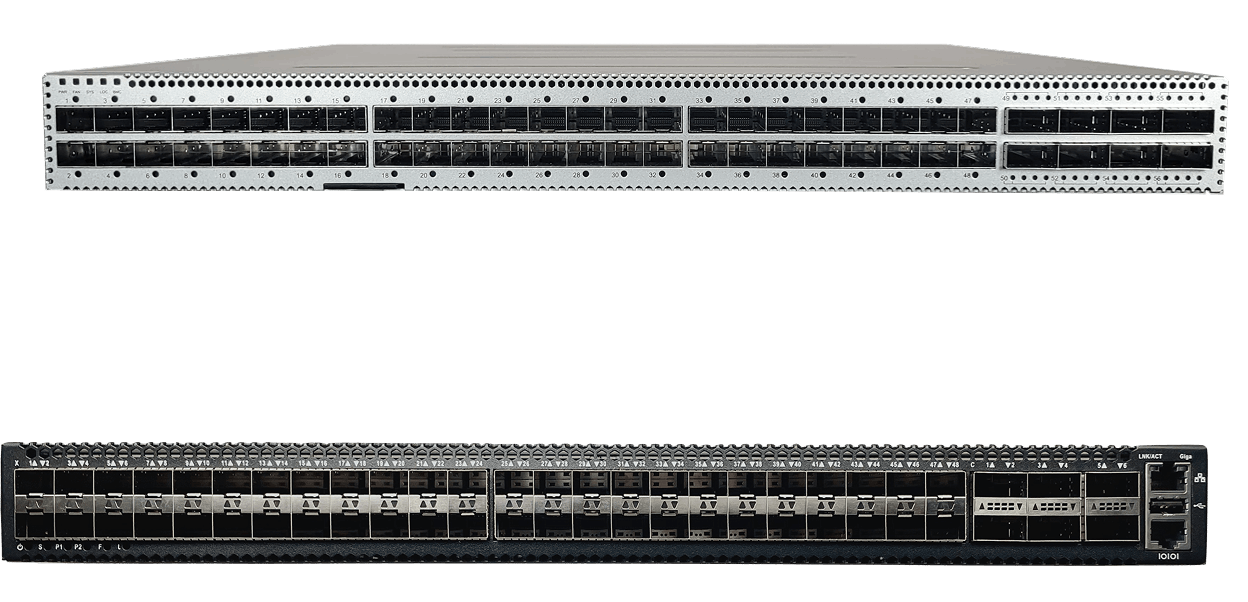
 Network Critical's SmartNA-XL combines TAP and packet broker functions in one 1RU chassis. It aggregates, filters, and load balances traffic to your security tools, and PacketPro payload masking can hide sensitive content before it reaches them. 

Monitoring that survives power loss

Network Critical's Passive Fiber TAPs use no power, so a power glitch never interrupts the link or the copy. Their one-way design stops data flowing back into the network, and insertion loss runs as low as 1.3dB. 

Simple operation for small IT teams

 Network Critical's Drag-n-Vu lets network administrators build filters and port maps by drag and drop, with one-click rollback. INVIKTUS uses Lock & Leave: set the policies, lock them, and let it run in the background. 

Best ransomware-ready zero trust monitoring solution for healthcare providers

INVIKTUS: zero trust protection for healthcare networks

  • Trust No-one policy validates every user, application, and device, inside or outside the network
  • No IP or MAC address, so it stays invisible to network intruders
  • Full line-rate performance with zero latency
  • Policy-based configuration maps one permitted path per user and hides the rest of the network
  • Lock & Leave operation: programme the policies, lock them, and leave it running with minimal maintenance
  • Deploys in front of servers holding patient data and other sensitive records
  • Priced for any budget and network size
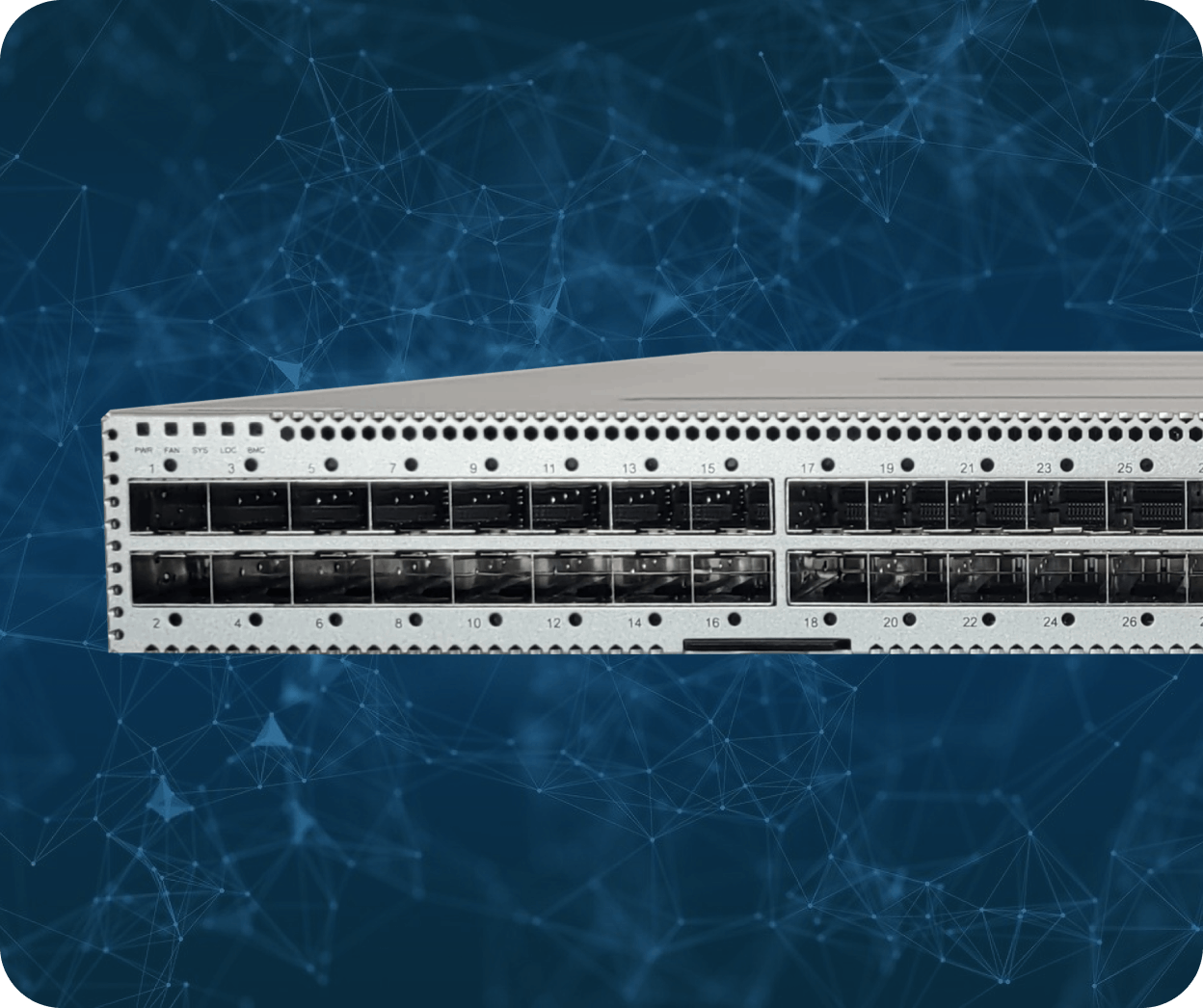
SmartNA-PortPlus on blue background
person typing on futuristic laptop

When INVIKTUS is the right fit


  • You need to protect servers holding patient records from threats already inside your network.
  • You run IoMT equipment, cameras, or building systems on networks that also carry clinical data.
  • You need zero trust controls that fit a healthcare budget and a small IT team.
  • You want a security layer that attackers can't scan, find, or target.

Case studies: ransomware-ready zero trust monitoring in healthcare

After repeated ransomware threats, a healthcare provider's CISO asked Network Critical for zero trust protection that fit the budget. The team moved patient data to server-based storage and placed INVIKTUS in front of it, making its location invisible. The organisation now prevents cyber threats and quarantines compromised devices within budget. 


 We needed to upgrade our network security but could not afford a very expensive solution, INVIKTUS™ provided us with a very strong security at a fraction of the cost. Now our critical servers are protected from security breaches from within the network."  

 —   Network Manager, Hospital 


Why SPAN ports fail for healthcare providers

SPAN drops packets during an attack

SPAN ports are oversubscribed by design, so they drop packets when traffic spikes, which is often when ransomware stages and spreads. No alarm fires. Your detection tools report only what SPAN sent them. Network Critical's Passive Fiber TAPs copy every packet, including errors. 

SPAN can't give auditors complete evidence

HIPAA audits and post-incident forensics need a complete record of what crossed the network. Dropped packets leave holes in that record, and a partial capture is hard to defend. Network Critical's SmartNA-XL sends full traffic copies to capture and forensic tools. 

SPAN competes with clinical switching

SPAN runs on the same switches that carry clinical traffic and competes for their CPU. Most switches support only 2 to 4 SPAN sessions, so every new security tool means another change to production switches. Passive TAPs add monitoring without touching switch configuration. 

Why choose Network Critical for ransomware-ready zero trust monitoring

Network Critical gives healthcare teams enterprise-grade protection without enterprise pricing or complexity. INVIKTUS adds a zero trust layer attackers can't see, and our TAPs and network packet brokers typically cost 40 to 60% less over three years than traditional packet broker vendors, with perpetual licensing and no subscriptions.

The same hardware protects demanding networks in other sectors. Bourne Leisure aggregates eight links into a single security tool, as our leisure case study shows. In the BP case study, passive TAPs feed IT and OT security tools across refineries without touching live traffic. And Darktrace uses our packet broker API to steer traffic to its AI threat detection.

Drag-n-Vu lets network administrators set filters and port maps by drag and drop. We design and manufacture in the UK, support customers from a dedicated US office, and bring more than 20 years of network visibility experience.

Frequently asked questions about ransomware-ready zero trust monitoring

  • It combines zero trust access control in front of critical systems with full visibility of network traffic. INVIKTUS hides patient data servers from anyone without a validated path, while network TAPs feed security tools a complete copy of traffic so they can spot ransomware moving through the network. 

  • INVIKTUS cuts the number of paths ransomware can use to reach critical servers. It has no IP or MAC address, so attackers can't find it. Its policies give each validated user one path, and the rest of the network stays invisible to them. 

  • Attackers often get in through unmanaged devices such as cameras, HVAC controllers, and IoMT equipment, and perimeter controls don't stop them once they're inside. Zero trust validates every user and device before it reaches sensitive data. Network Critical's network security solutions apply that principle at the network layer. 
  • A network TAP copies every packet on a link, including errors, while a SPAN port mirrors traffic through the switch and drops packets when it's oversubscribed. For a hospital, that difference decides whether detection tools see an attack in progress. Our guide to network TAPs vs SPAN covers the details. 

  •  Your detection tools miss part of the attack, and nothing tells you. SPAN drops packets silently when traffic spikes, and monitoring tools only report what SPAN sent them. A passive fiber tap avoids this by copying the full stream with no power and no configuration. 

  • Yes, by controlling what those devices can reach. A zero trust architecture stops any newly connected device from joining the network until it's verified and granted access. INVIKTUS then limits each device to its permitted path, so a compromised camera or controller can't see your patient data servers. 
  •  Yes. Network Critical's SmartNA-XL is a key enabler for regulations including HIPAA, SOX, and PCI-DSS, because it gives you continuous traffic monitoring on the links that matter. INVIKTUS adds access control around patient data. Compliance still depends on your wider policies and processes. 

  •  No. INVIKTUS adds a low-level prevention layer that keeps critical servers out of reach, and your detection tools still need full traffic to spot threats. Network Critical's network packet brokers filter, aggregate, and load balance that traffic so each tool gets what it needs. 
  • Very little. INVIKTUS uses Lock & Leave operation: your team programmes the policies, locks them, and leaves the system running in the background. That suits hospital IT teams who can't spare engineers for constant tuning. INVIKTUS keeps its policies locked until you choose to change them. 
  • A healthcare deployment can place INVIKTUS in front of critical servers, Passive Fiber TAPs on fibre links that must never lose power, and a SmartNA-XL chassis to aggregate copper and fibre links into detection tools. Bypass modules in the same chassis protect any inline security tool. 

  • Network Critical typically costs less to own over three years than enterprise visibility platforms. Hardware uses perpetual licensing with transparent pricing and no subscriptions, and hybrid TAPs combine TAP and packet broker functions in one unit to save rack space and power. INVIKTUS is priced for any budget and network size. 
  • A healthcare provider used INVIKTUS to hide its patient data servers and quarantine compromised devices within budget. A university used it to keep vital systems invisible to students on free Wi-Fi. Bourne Leisure used SmartNA-XL to connect eight links to one security tool, cutting tool CAPEX eightfold, as the leisure case study shows.