




<img src="https://secure.leadforensics.com/97241.png" style="display:none;">

Network visibility for telecom service providers

Network Critical provides network visibility for telecom service providers running multi-generation networks, where 5G core, legacy access layers, and 100G to 400G backbones must all stay visible without dropping a packet.

Network teams at these organisations run Network Critical visibility

  • Vodafone Logo
  • HSBC Logo
  • bp logo
  • Airbus Logo
  • Darktrace Logo

How telecom operators monitor multi-generation networks today

Mobile and fixed-line carriers run infrastructure that has evolved over decades, with 2G and 3G links still carrying traffic alongside 4G, 5G core, and emerging 100G and 400G backbone capacity. Monitoring and security tools need full-fidelity access to every generation simultaneously, not a sampled view of the newest layer. Most operators still lean on switch SPAN ports for this access because it requires no extra hardware budget line, but SPAN was never built to keep pace with line-rate multi-generation traffic. The Vodafone case study shows what happens when a Tier 1 carrier replaces that approach with dedicated TAP and packet broker infrastructure instead: continuous, accurate visibility across four generations of network links, supporting both quality of service reporting and cross-border compliance obligations.

 Key challenges facing telecom service providers 

Packet loss skews quality of service reporting
SPAN ports drop packets during peak traffic and network events, the exact moments when accurate quality of service data matters most. That incomplete sample feeds directly into churn-management reporting, meaning teams sometimes act on fabricated KPI data without realising the underlying capture was never complete.
Multi-generation network complexity defeats single-purpose tools
Voice, data, video, and VoIP traverse 2G through 5G links simultaneously on most carrier networks. Connecting a single generation of monitoring tools to that mix means constant physical media conversion and protocol mismatches, which Network Critical's SmartNA-XL hybrid TAP and packet broker is built to absorb without forklift replacement.
Tool proliferation drives unsustainable port costs
Every monitoring and security tool added to a SPAN-fed network typically demands its own dedicated port and contends for the same limited switch capacity. Network Critical's SmartNA-PortPlus aggregates traffic from many links down to fewer monitoring tool connections, cutting the per-tool port cost that compounds as the stack grows.
Cross-border compliance demands complete capture
Carriers operating across European borders face government mandates for seamless data services and audit-grade reporting, which sampled SPAN data cannot satisfy. Continuous, 100% capture is the baseline requirement, not an enhancement, for lawful interception and cross-border regulatory obligations.

Why telecom teams come to Network Critical

We replace SPAN before a 5G core rollout exposes its packet loss at scale. 

We support 100G and 400G backbone refresh without a forklift upgrade cycle. 

We unify 2G through 5G visibility on one modular packet broker platform. 

We deliver 100% capture for cross-border lawful interception and GDPR obligations. 

We cut tool sprawl through aggregation instead of one port per tool. 

We give churn-reduction programmes accurate QoS data instead of sampled estimates. 

Key capabilities for telecom service providers 

Scale-out packet brokering to 400G

Network Critical's SmartNA-PortPlus HyperCore bridges legacy 10G and 25G links with 100G, 200G, and 400G backbone capacity in a single non-blocking chassis, so a carrier upgrading its core does not need to replace its entire visibility fabric in the same project. 

Hybrid TAP and packet broker integration

Combining TAP and packet broker functions in one unit removes the rack, power, and cabling overhead of running them as separate devices, which matters directly when integrating four generations of network links onto a shared monitoring fabric. 

Single pane of management across the fleet

Drag-n-Vu gives network operations teams a graphical interface for configuring TAPs and packet brokers across the estate, reducing the specialist engineering time needed for routine changes and new tool onboarding. 

Compliance-grade continuous capture

Every port runs at full line rate with zero packet loss, giving compliance and audit teams a defensible, continuous record instead of a switch-derived sample that cannot withstand regulatory scrutiny. 

Best network visibility solution for telecom service providers 

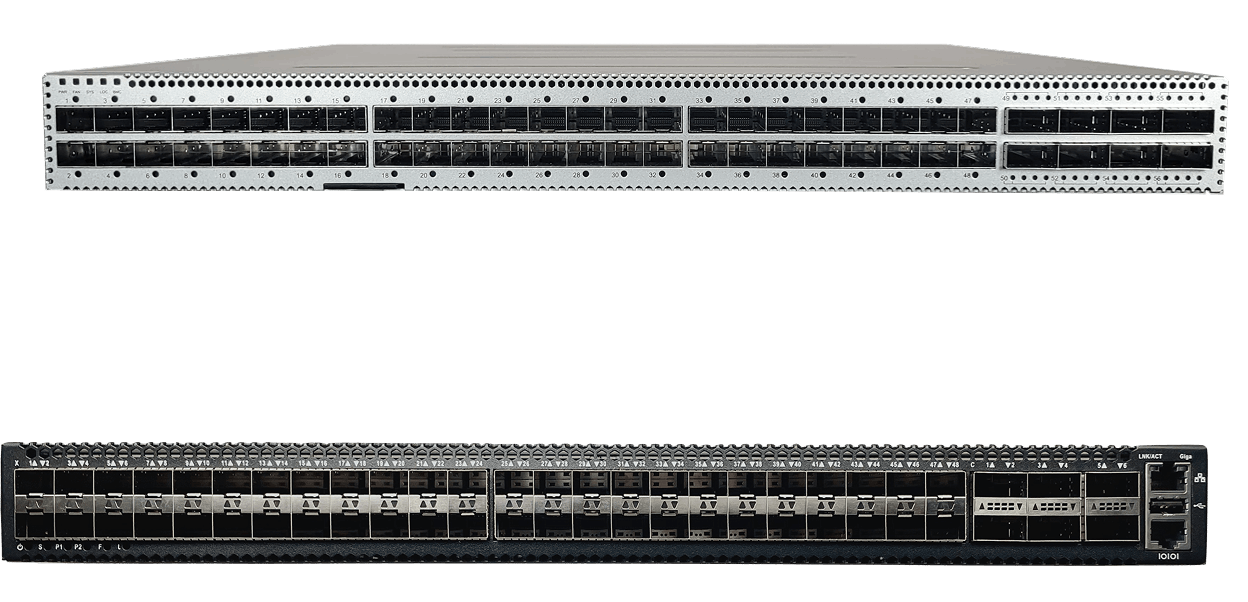
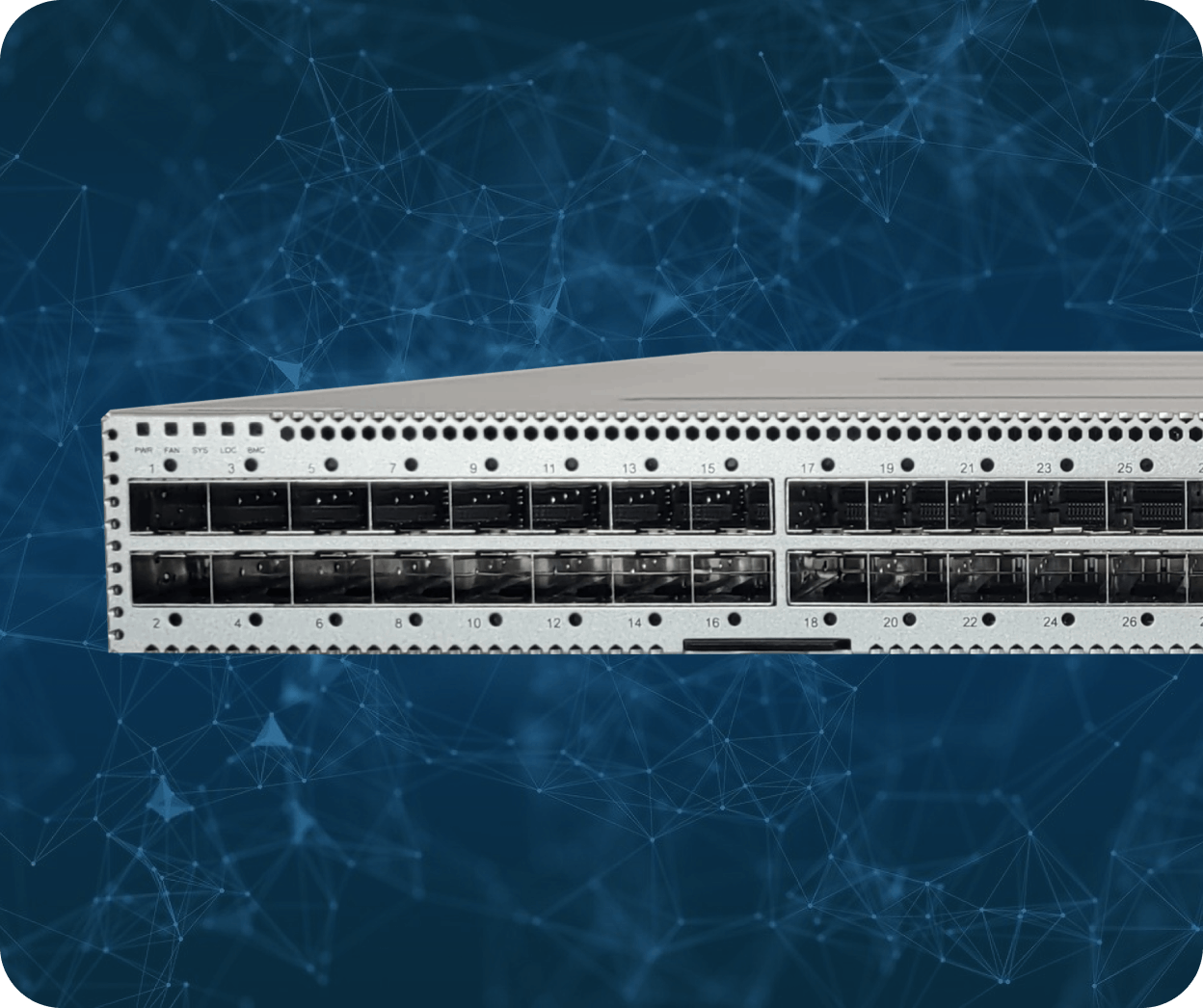
SmartNA-PortPlus HyperCore

For carriers managing 5G core rollouts alongside legacy 2G through 4G links, the SmartNA-PortPlus HyperCore is the right starting point: a single chassis that scales from existing 10G links to next-generation 400G backbone without re-architecting the visibility layer each time the network grows.

  • 32 x QSFP-DD interfaces supporting 10G, 25G, 40G, 50G, 100G, 200G, and 400G port speeds
  • 25.6 Tbps non-blocking line rate throughput
  • Expandable to 256 ports of 10/25/40/50G using breakout cables, all from one 1RU chassis
  • Custom P-Tag functionality for complex traffic processing workflows
  • Session aware load balancing by IP address, protocol, port, VLAN, or MAC address
  • Aggregation, filtering, and load balancing of core network traffic across existing and future tools
  • Managed through Drag-n-Vu with CLI, SSH, and SNMP v1/v2c/v3 support
  • Dual hot-swap power supplies and fans for resilience
SmartNA-PortPlus on blue background
person typing on futuristic laptop

When SmartNA-PortPlus HyperCore is the right fit

  • You are running 100G or 400G backbones and need scale-out capacity without a forklift refresh.
  • You operate multi-generation networks where 2G through 5G traffic coexists on a shared fabric.
  • You need compliance-grade, 100% capture across cross-border traffic for regulatory audit.
  • You are consolidating monitoring tools and want transparent, perpetual licensing instead of a subscription model.

Carriers running a single-generation, lower-speed network with no near-term 100G or 400G plans may be better served starting with the more compact SmartNA-PortPlus before scaling into HyperCore capacity.

Case studies: network visibility for telecom service providers

Vodafone

Vodafone needed to monitor QoS and maintain compliance across a mobile network spanning four generations of links — 1G copper through 100G fiber — while operating across multiple European jurisdictions. Network Critical deployed SmartNA-XL hybrid TAPs to aggregate copper links and connect them to SmartNA-PortPlus packet brokers, delivering 100% accurate traffic visibility across all speed tiers without impacting live traffic. A 4:1 aggregation ratio cut monitoring tool requirements, and the failsafe TAP path ensured live traffic continued even during power events.

Read more

Darktrace

Darktrace integrated its AI threat-detection tool with the SmartNA-PortPlus over its open API. Using HTTP and JSON, the tool controls its own filtering and port mapping with no manual reconfiguration, so it receives only the traffic it needs and adapts as patterns change. 

Read more
Vodafone-1


Continuous monitoring is absolutely critical to maintaining a high quality network and staying in compliance with European data regulations. Network Critical SmartNA-XL allows us to see and manage traffic without impacting live traffic. 

 —  OSS Tools Manager, Vodafone 

Why SPAN ports fail for telecom service providers 

SPAN drops packets exactly when it matters most

SPAN ports deprioritise mirrored traffic under load, so the packets most likely to be lost are the ones generated during peak traffic and network events. QoS and churn-reduction reporting built on that sample is working from fabricated data, not a true picture of network health. 

SPAN cannot scale to 400G backbones without forklift replacement

Carriers stuck on legacy 10G or 40G SPAN capacity cannot extend that approach to 5G core or 400G backbone traffic without replacing switching hardware entirely. Network Critical's SmartNA-PortPlus HyperCore scales port speed and count within the same chassis instead. 

SPAN cannot deliver compliance-grade capture

Cross-border regulation requires complete, auditable capture, not a sampled mirror that varies under load. Network Critical's Passive Fiber Optical TAPs and packet brokers give compliance teams a continuous record that withstands regulatory and lawful interception scrutiny. 

Why choose Network Critical for network visibility for telecom service providers

Network Critical's modular SmartNA platform covers 10 Mbps to 400 Gbps in a single vendor portfolio, so a carrier moving through a 5G rollout or a 100G and 400G backbone refresh never has to replace the visibility layer to keep pace with the network. The Vodafone case study and the Darktrace integration both show the same underlying pattern: tool-agnostic packet brokering that feeds whichever monitoring, SOC, or compliance stack the operator already runs, without locking that stack to a single vendor.

Perpetual hardware licensing with transparent maintenance pricing avoids the per-port subscription surprises that show up at renewal time with traditional packet broker vendors, and Drag-n-Vu lets network operations teams configure changes themselves rather than scheduling specialist engineer time for routine work. For carriers re-running the Vodafone deployment pattern against their own multi-generation network, that combination of scale, neutrality, and self-service is the practical difference between a visibility project that finishes on schedule and one that stalls on vendor lock-in.

Frequently asked questions about network visibility for telecom service providers 

  • It is the practice of capturing complete, line-rate copies of network traffic across every generation of a carrier's infrastructure, using network TAPs and packet brokers rather than switch SPAN ports, so monitoring, security, and compliance tools see 100% of traffic without packet loss. 
  • SPAN ports are a secondary switch function that deprioritises mirrored traffic under load, which is exactly when carriers need accurate quality of service data. The network TAPs versus SPAN comparison explains the underlying mechanism in more detail. 
  • The SmartNA-PortPlus HyperCore is built for 100G, 200G, and 400G core traffic, with 32 QSFP-DD interfaces and 25.6 Tbps non-blocking throughput suited to 5G core and carrier backbone scale. 

  • Yes. Network Critical's modular SmartNA chassis range covers 10 Mbps through 400 Gbps, and the SmartNA-XL hybrid TAP handles legacy 2G through 4G links on the same visibility fabric as newer 100G and 400G capacity. 
  • Continuous, 100% packet capture across every monitored link gives compliance teams an auditable record that meets lawful interception and cross-border data regulation requirements, as demonstrated in the Vodafone case study
  • The hybrid TAP and packet broker architecture combines TAP and broker functions in one chassis, letting carriers run 2G through 5G links through a shared visibility platform without separate device sprawl for each network generation. 
  • Yes. The architecture is tool-agnostic, delivering standard packet output to whichever SIEM, NDR, or analytics platform the operator already runs, illustrated by the API-driven Darktrace integration with SmartNA-PortPlus. 
  • Aggregating multiple lower-speed links down to fewer high-speed monitoring tool connections through a packet broker means each new security or analytics tool does not require its own dedicated capture infrastructure, cutting per-tool deployment cost. 
  • No. Network Critical hardware uses perpetual licensing with transparent maintenance pricing, avoiding the recurring per-port subscription fees common with traditional packet broker vendors. 
  • Drag-n-Vu's graphical configuration interface is designed so network operations teams can complete routine deployment and configuration changes themselves, without depending on specialist vendor engineering time for every change. 

  • Vodafone deployed SmartNA-XL hybrid TAPs together with SmartNA-PortPlus packet brokers to monitor QoS across four generations of network links without impacting live traffic. 
  • A network packet broker aggregates, filters, and load balances traffic from multiple TAP or SPAN sources before delivering it to monitoring and security tools, extending tool life and reducing the number of direct network connections each tool requires.