




<img src="https://secure.leadforensics.com/97241.png" style="display:none;">

Network visibility for data centers

Network Critical provides network visibility for data centers running multi-tenant, high-density infrastructure where east-west traffic, tool sprawl, and 100G to 400G growth outpace what SPAN ports can capture.

Network teams at these organisations run Network Critical visibility

  • Vodafone Logo
  • HSBC Logo
  • bp logo
  • Airbus Logo
  • Darktrace Logo

How network visibility supports modern data center operations

Modern data centers run dense, fast-changing fabrics where most traffic never crosses the perimeter, it moves east to west between racks, tenants, and services. Operations teams need to feed monitoring, security, and analytics tools a full, unfiltered copy of that traffic without slowing the network or adding active devices to the path. Network Critical's network packet brokers sit between live links and tool stacks, aggregating low-speed ports to fewer high-speed monitoring tools and mapping traffic precisely so each tool only sees what it needs. The Darktrace integration shows this working at machine speed, with an API-driven packet broker layer feeding an AI-based detection tool without manual reconfiguration.

Key challenges facing data centers

East-west traffic blind spots
Once traffic moves inside the fabric, rack to rack and tenant to tenant, perimeter-facing tools lose visibility entirely. Teams cannot detect lateral movement or prove monitoring coverage without tapping internal links directly, which is exactly what Network Critical's network TAPs are built to do.
Tool ingestion saturation
SIEM and NDR platforms charge by the gigabyte ingested, and unfiltered SPAN feeds push licensing costs into the hundreds of thousands per year. Filtering and mapping only relevant traffic at the packet broker layer materially reduces that bill without losing coverage.
SPAN packet loss skewing MTTR
When SPAN drops packets during a peak-traffic incident, the resulting capture is incomplete, root cause analysis stalls, and mean time to repair stretches from minutes into hours. SLA-bound data centers cannot afford that gap.
Port density and rack space constraints
Every additional monitoring or security tool competes for limited rack space, power, and cabling. Aggregating many low-speed links into fewer high-speed tool connections, the role of a hybrid TAP and packet broker, is the only way to scale coverage without scaling footprint.

Why data center teams come to Network Critical

 We replace dropped-packet SPAN feeds with full-fidelity, line-rate capture. 

 We aggregate dozens of low-speed links onto fewer high-speed monitoring tools. 

 We scale from 1G to 400G without a forklift hardware refresh. 

 We cut SIEM and NDR ingestion costs through precise traffic filtering. 

 We protect inline security tools from going dark during a failure event. 

 We deploy through Drag-n-Vu in under two hours, no specialist engineer required. 

Key capabilities for data centers

Zero-packet-loss capture at line rate

 Network Critical's SmartNA-PortPlus runs a non-blocking 1.8 Tbps architecture, so every packet reaches its monitoring tool intact even under sustained peak load, eliminating the silent drops SPAN produces at the worst possible moments. 

Aggregation across multi-speed links

 A single SmartNA-PortPlus chassis scales from 48 to 194 ports across 1G, 10G, 25G, 40G, and 100G, letting teams connect many lower-speed production links to fewer high-capacity tools and cut per-tool licensing cost. 

Fail-safe inline security continuity

 Bypass TAPs keep inline IPS and DDoS tools in the traffic path during normal operation, then automatically fail open if a tool goes down, so live traffic keeps flowing. 

Single pane of glass management

 Drag-n-Vu configures traffic mapping, filtering, and load balancing across the entire packet broker estate from one drag-and-drop interface, with a RESTful API for automation. 

Best network visibility solution for data centers

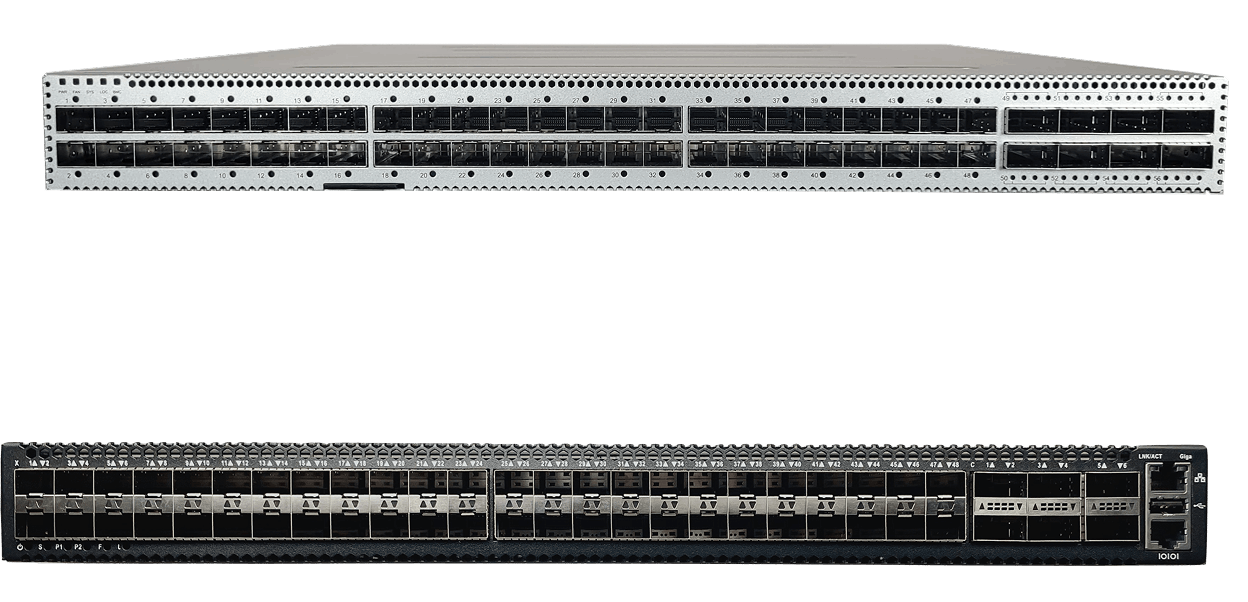
SmartNA-PortPlus

Data center economics reward port density, line-rate throughput, and the ability to protect many links with fewer tools through aggregation, which is why SmartNA-PortPlus is Network Critical's strongest-performing segment by win rate.

  • 48 to 194 ports across 1/10/25/40/100 Gbps, scaling in 1RU increments up to 5RU
  • Non-blocking line-rate system throughput of 1.8 Tbps
  • Custom P-Tag functionality for complex traffic processing workflows
  • SNMPv3 integration with all major network management systems
  • RADIUS and TACACS+ authentication, authorization, and accounting
  • Drag-n-Vu web UI (HTTPS/HTML5) plus CLI via SSH for configuration
  • Dual hot-swap power supplies and fans for continuous operation
  • Integrated API supporting HTTP and JSON, used in production by Darktrace's automated threat detection
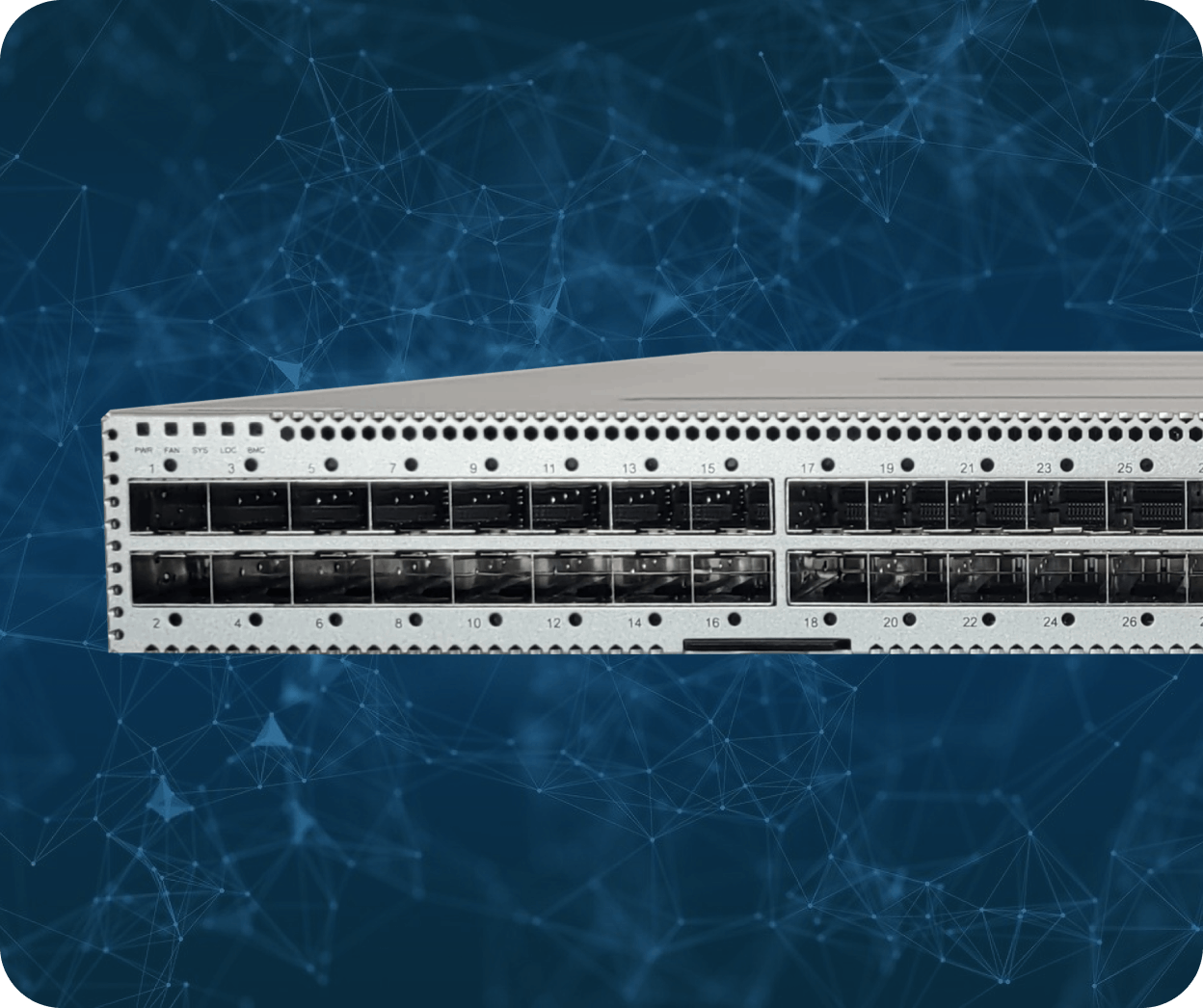
SmartNA-PortPlus on blue background
person typing on futuristic laptop

When SmartNA-PortPlus is the right fit

  • You're aggregating dozens of lower-speed production links onto a smaller set of expensive monitoring or security tools
  • You're feeding a SIEM or NDR platform that charges by ingestion volume and needs precise traffic filtering before it arrives
  • You're planning a 100G refresh and need scale-out growth without replacing existing chassis
  • You're consolidating multiple single-purpose appliances onto one managed packet broker layer

Case studies: network visibility for data centers

Darktrace

An AI-driven threat detection platform integrated directly with SmartNA-PortPlus's API, allowing the Darktrace Enterprise Immune System to autonomously control traffic filtering and port mapping without manual reconfiguration. 

Read more

Bourne Leisure

A multi-site operator aggregated eight 1Gbps live links per data center onto a single 10Gbps security tool using SmartNA-XL, an 8:1 configuration delivering an 8x reduction in security tool CAPEX. 


Read more
Bourne-Leisure


We chose the Network Critical equipment because of its flexibility to connect different types of live links to a space saving 1RU system and aggregate multiple links to a single tool. 

 —   Head of Network Architecture, Bourne Leisure 


Why SPAN ports fail for data centers

East-west traffic stays invisible

SPAN was designed for perimeter mirroring, not for the rack-to-rack and tenant-to-tenant traffic that now makes up most data center flows. Tools mirrored off SPAN simply never see packet brokers-aggregated east-west traffic, leaving lateral movement and service-to-service issues undetected until they surface elsewhere. 

Tools go dark exactly when it matters

SPAN ports drop packets under sustained load, and that load peaks during the precise events, DDoS, traffic surges, security incidents, where forensic accuracy is most valuable. A 48-hour side-by-side Wireshark test consistently shows SPAN losing packets that a SmartNA-PortPlus TAP captures in full. 

Scaling SPAN means forklift replacement

SPAN port capacity is fixed to the switch it lives on. A 100G or 400G refresh that outgrows existing SPAN capacity forces a switch replacement just to keep monitoring working, where a modular packet broker scales in place instead. 

Why choose Network Critical for network visibility for data centers

Network Critical's structural advantage in data centers is economic as much as technical. A modelled three-year comparison against a leading enterprise platform shows roughly 40 to 60 percent lower total cost of ownership, driven by perpetual hardware licensing instead of recurring per-port subscription fees, the kind of renewal shock that pushes Gigamon and Keysight customers to look for alternatives.

That cost advantage comes without giving up capability. SmartNA-PortPlus and SmartNA-PortPlus HyperCore scale from 1G to 400G in a single vendor portfolio, configured through Drag-n-Vu in under two hours by a network admin, not a specialist integration team.

Deployments like Darktrace's automated SOC integration and the Bourne Leisure aggregation model show the same pattern data centers need: tool-agnostic PCAP output, modular scale-out, and no vendor lock-in.

Frequently asked questions about network visibility for data centers 

  • Network visibility for data centers means capturing a complete, unsampled copy of east-west and north-south traffic and delivering it to monitoring and security tools. Without it, teams cannot prove SLA compliance, detect lateral movement, or diagnose outages quickly. Network Critical's packet brokers deliver that copy at line rate. 
  • A network TAP creates a dedicated hardware copy of traffic with no packet loss, while SPAN ports share switch CPU resources and drop packets under load. Side-by-side TAP versus SPAN testing consistently shows SPAN losing data during exactly the peak-traffic events that matter most. 
  • Dropped packets create gaps in forensic evidence and KPI data, which inflates mean time to repair and can produce inaccurate capacity planning decisions. During a security incident, those gaps may hide the exact traffic that would have shown how an attacker moved laterally through the data center fabric.


  • Throughput headroom above current traffic, port density per rack unit, non-blocking architecture, and tool-agnostic output should top the list. Network Critical's SmartNA-PortPlus is built around all four, with scale-out growth that avoids forklift replacement. 
  • SmartNA-PortPlus delivers standard PCAP output to any SIEM, NDR, or analysis platform, and exposes an HTTP and JSON API for direct software control. Darktrace's integration demonstrates this, with the security tool autonomously managing traffic filtering through the API. 
  • Yes. SmartNA-PortPlus scales from 48 to 194 ports across 1G through 100G in 1RU increments up to 5RU, and for facilities moving beyond 100G, SmartNA-PortPlus HyperCore extends the same architecture to 400G without a different management interface. 
  • Options range from a single 1RU SmartNA-PortPlus chassis for smaller facilities to multi-unit scale-out for hyperscale environments, paired with Bypass TAPs for inline security tools that must fail open rather than take the network down. 
  • Darktrace's automated threat detection integration shows machine-to-machine traffic control in production, while the Bourne Leisure aggregation deployment demonstrates an 8:1 CAPEX reduction using the related SmartNA-XL platform across multiple data centers. 
  • Network Critical's perpetual hardware licensing model runs roughly 40 to 60 percent lower in three-year total cost of ownership than subscription-based enterprise platforms, removing the per-port renewal increases that drive many data center teams to re-evaluate incumbent vendors. 
  • Yes. Session-aware load balancing by IP address, protocol, port, VLAN, or MAC address lets operators isolate and route tenant traffic precisely to the correct monitoring tool, configured through Drag-n-Vu without manual per-tenant scripting. 

  • Network Critical pairs hardware with named-engineer support and Drag-n-Vu self-service configuration, avoiding the specialist-engineer dependency common with larger platforms. Deployment specifics are confirmed during a sales conversation against the facility's exact topology. 
  • Yes. By filtering and mapping only relevant traffic to each tool rather than mirroring everything, SmartNA-PortPlus reduces the data volume reaching per-gigabyte-billed platforms, directly lowering ingestion-based licensing costs without losing coverage.