




<img src="https://secure.leadforensics.com/97241.png" style="display:none;">

Network packet brokers for telecom and 5G core networks

Network Critical provides network packet brokers for telecom and 5G core networks running multi-generation infrastructure from 1G to 400G.

Network teams at these organisations run Network Critical visibility

  • Vodafone Logo
  • HSBC Logo
  • bp logo
  • Airbus Logo
  • Darktrace Logo

Proven packet broker performance across multi-generation carrier networks

Telecom carriers running 2G through 5G infrastructure cannot rely on SPAN ports to deliver the monitoring fidelity that QoS programs, lawful interception mandates, and churn-reduction analytics require. Network packet brokers for telecom and 5G core networks must scale from 1G copper aggregation links to 400G fiber backbones without a forklift refresh at each speed tier. A network packet broker sits between your live links and your monitoring tools, replicating traffic at full line rate with zero packet loss and routing it to QoS probes, security sensors, and compliance capture systems simultaneously. The Vodafone case study shows how SmartNA-XL hybrid TAPs and SmartNA-PortPlus packet brokers deliver 100% accurate QoS monitoring across four generations of network links, eliminating monitoring blind spots that previously drove misattributed customer complaints.

 Key challenges facing telecom and 5G network teams 

Multi-generation network complexity
Monitoring tools built for a single speed tier lose fidelity when traffic from slower legacy links must be aggregated to high-speed tool ports. Without a hybrid TAP that handles media conversion and speed aggregation in a single chassis, visibility degrades at every generational boundary.
Tool proliferation without aggregation
Connecting a separate monitoring tool to every link is cost-prohibitive at carrier scale. A network packet broker aggregates multiple lower-speed links into a single high-speed monitoring port, cutting the number of tool licenses required. Without aggregation, each QoS probe, lawful intercept sensor, and security appliance consumes a dedicated port, and any link added to the network demands a new tool provisioning cycle.
Cross-border compliance capture requirements
Compliance capture demands a dedicated access layer that delivers complete, timestamped packet streams to compliance tools, independent of monitoring tool configuration changes or traffic spikes.
Customer churn linked to network quality perception
Subscriber churn in mobile and broadband is directly tied to perceived network quality. Accurate KPI data depends on accurate capture; sampled data drives wrong capacity decisions and undermines churn-management programs.

Why telecom teams come to Network Critical

We monitor traffic at 100% accuracy from 1G to 400G without changing out the visibility platform at each speed tier.

We aggregate multi-generation links into a single high-speed monitoring feed, reducing tool sprawl and CAPEX. 

We deliver compliance-grade capture for lawful interception and cross-border data obligations without sampling. 

We eliminate the monitoring blind spots that drive misattributed QoS complaints and inflate subscriber churn. 

We deploy in under two hours with Drag-n-Vu and scale incrementally without forklift upgrades.

We offer perpetual licensing with no per-port subscription fees, giving operations teams a predictable CAPEX model. 

Key capabilities for telecom and 5G network visibility 

Line-rate capture from 1G to 400G

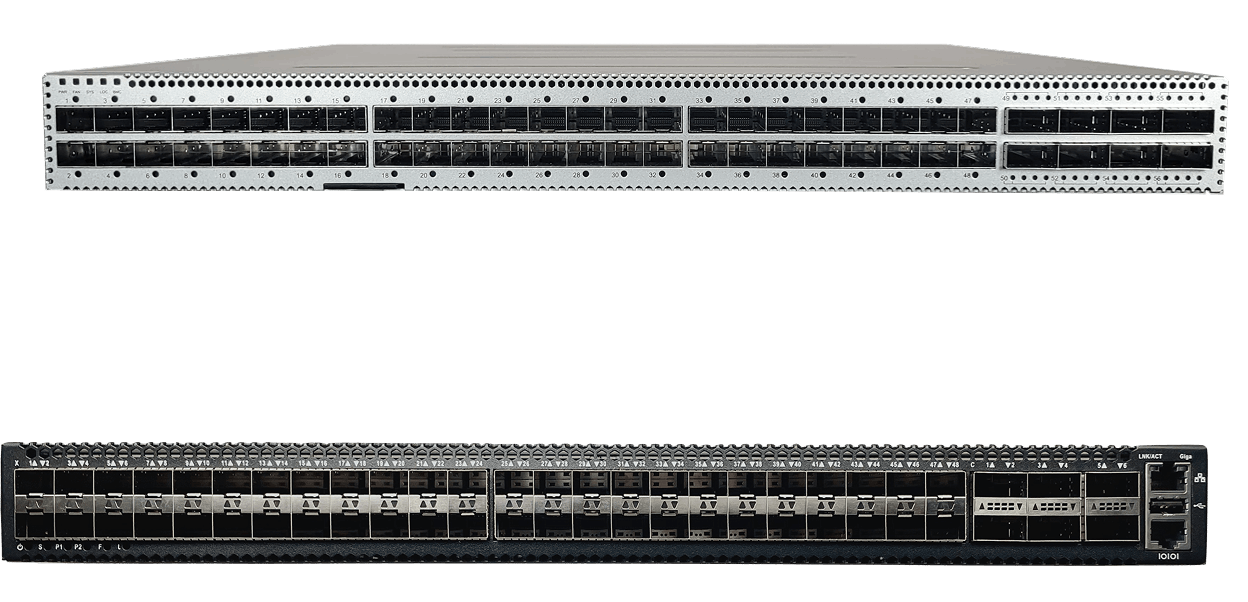
Network Critical's SmartNA-PortPlus HyperCore delivers 25.6 Tbps non-blocking throughput across 32 QSFP-DD interfaces, each supporting up to 400G. Breakout cables expand port count to 256 ports of 10G to 50G from the same 1RU chassis. Existing 1G and 10G tools continue operating on lower-speed ports while 100G and 400G tools attach directly to high-speed interfaces — no forklift refresh required as backbone speeds increase. 

Multi-generation aggregation in a single chassis

 Network Critical's SmartNA-XL combines hybrid TAP and packet broker functions in a modular 1RU chassis with five hot-swap module bays. Copper TAP modules connect to 1G links, aggregate traffic to high-speed fiber monitoring ports, and pass full-duplex traffic including errors, all without impacting live network performance. 

Compliance-grade 100% packet capture

 The SmartNA-PortPlus delivers 1.8 Tbps non-blocking throughput with full packet capture, headers and payload, no sampling, no truncation. Session-aware load balancing by IP address, protocol, port, VLAN, and MAC address distributes traffic across compliance tools without session fragmentation.

Unified management across the visibility fabric

 Drag-n-Vu provides a single-pane-of-glass graphical interface for configuring aggregation pools, traffic filters, and port maps across the entire SmartNA platform. Network admins self-serve routine filter and mapping tasks without requiring engineering personnel or vendor callout. One-click rollback returns to a prior configuration during maintenance windows.

Best network packet broker solution for telecom and 5G core networks 

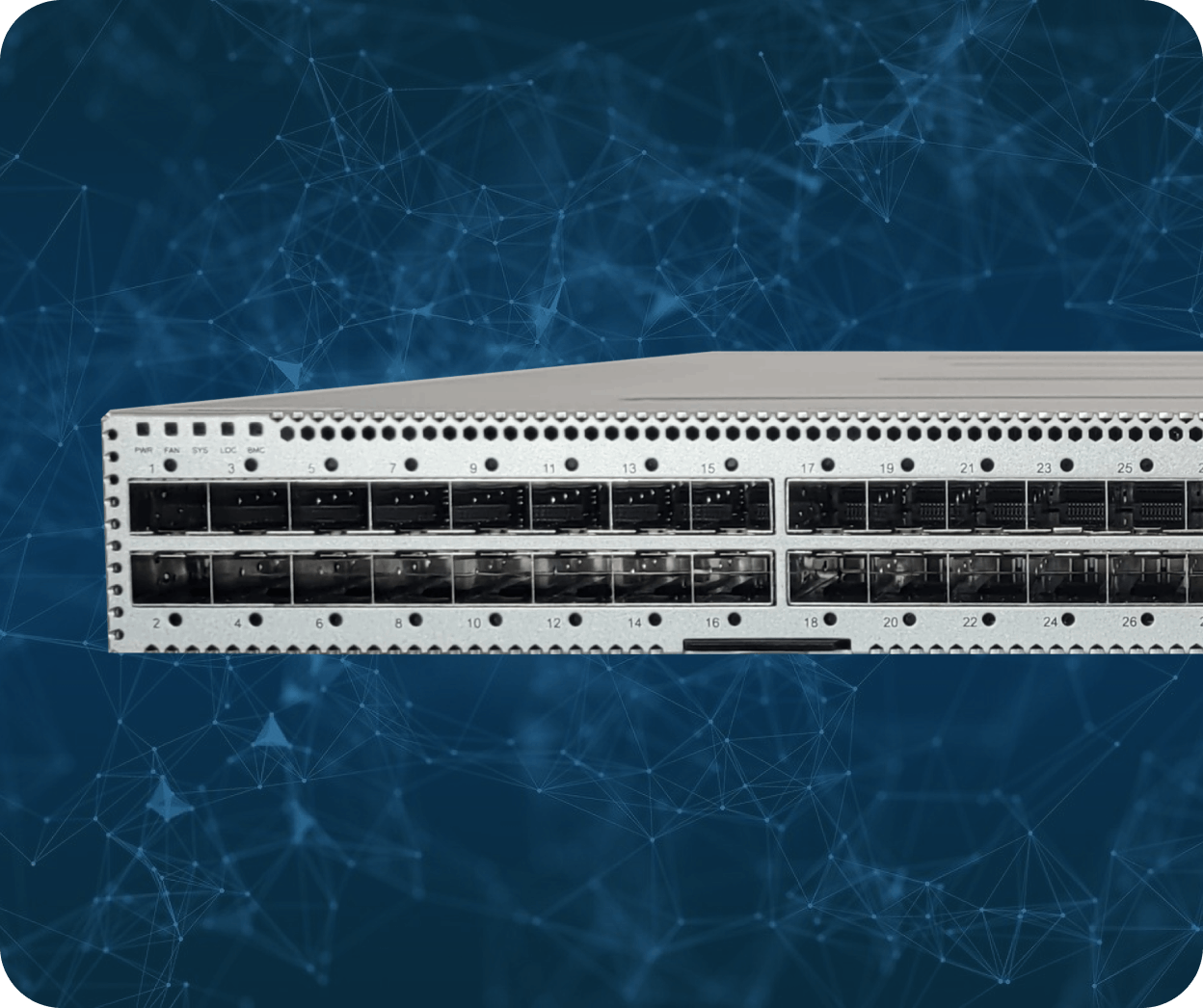
SmartNA-PortPlus HyperCore

The 400G SmartNA-PortPlus HyperCore is Network Critical's purpose-built packet broker for 5G core and 100G to 400G carrier backbones. It delivers line-rate visibility at speeds traditional packet brokers cannot reach without costly forklift replacements.

Specifications as of 2026:

  • 32 x QSFP-DD interfaces supporting 10G, 25G, 40G, 50G, 100G, 200G, and 400G per port
  • 25.6 Tbps non-blocking line-rate throughput
  • Breakout cable expansion to 256 ports of 10G to 50G from a single 1RU chassis
  • Aggregation, filtering, and session-aware load balancing built in
  • Drag-n-Vu graphical management, CLI via SSH, SNMP v1/v2c/v3
  • RADIUS and TACACS+ authentication for audit trail compliance
  • Dual hot-swap power supplies and fans for carrier-grade resilience
  • MTBF greater than 582,692 hours
SmartNA-PortPlus on blue background
person typing on futuristic laptop

When SmartNA-PortPlus HyperCore is the right fit

  • You're running 100G or 400G backbone links and need line-rate packet broker throughput without replacing existing infrastructure at each speed tier.
  • You operate multi-generation networks from 2G through 5G coexistence and need a single visibility platform that handles every link speed in the same chassis.
  • You need compliance-grade 100% packet capture for lawful interception, GDPR cross-border reporting, or QoS audit trails.
  • You're consolidating monitoring tools across high-link-count deployments and need a packet broker with transparent, perpetual licensing and no per-port subscription fees.

Case studies: network packet brokers for telecom and 5G core networks

Vodafone

Vodafone needed to monitor QoS and maintain compliance across a mobile network spanning four generations of links — 1G copper through 100G fiber — while operating across multiple European jurisdictions. Network Critical deployed SmartNA-XL hybrid TAPs to aggregate copper links and connect them to SmartNA-PortPlus packet brokers, delivering 100% accurate traffic visibility across all speed tiers without impacting live traffic. A 4:1 aggregation ratio cut monitoring tool requirements, and the failsafe TAP path ensured live traffic continued even during power events.

Read more

Darktrace

Darktrace integrated its AI threat-detection tool with the SmartNA-PortPlus over its open API. Using HTTP and JSON, the tool controls its own filtering and port mapping with no manual reconfiguration, so it receives only the traffic it needs and adapts as patterns change. 

Read more
Vodafone-1


Developing and managing Key Performance Indicators is all about accuracy of information. The Network Critical products are providing 100% accurate traffic visibility on the key links, which is vital for us.

 — Network Performance Monitoring Engineer, Vodafone 

Why SPAN ports fail for telecom and 5G network monitoring 

SPAN drops packets during peak traffic and anomaly events

 SPAN is oversubscribed by design when multiple source ports feed a single destination port at line rate. Switch CPU contention compounds the problem: SPAN competes with switching workload for shared resources. The result is packet drops during exactly the periods that matter most, peak traffic windows, DDoS events, and network anomalies. 

SPAN cannot scale to 5G core and 400G backbone speeds

 Most managed switches support only two to four concurrent SPAN sessions. At 100G and 400G, SPAN cannot deliver compliance-grade packet streams to monitoring tools without severe degradation. Carriers upgrading backbone links to 5G core speeds find that network packet brokers are the only architecture that delivers non-blocking line-rate access at those throughputs. 

SPAN cannot deliver compliance-grade audit trails

 EU cross-border data regulations and lawful interception mandates require 100% capture with timestamped, tamper-evident packet streams. Dropped SPAN packets mean forensic evidence is incomplete and audit-questionable. Regulators reviewing SPAN-derived capture logs can and do flag the gaps. A dedicated network TAP and packet broker architecture removes sampling uncertainty from the compliance record entirely. 

Why choose Network Critical for network packet brokers for telecom and 5G

Telecom carriers choose Network Critical because the product portfolio covers every speed tier in the network — from 1G copper aggregation at the edge to 400G QSFP-DD at the 5G core — in a single modular architecture that grows incrementally without replacing existing units. The Vodafone deployment demonstrates what that looks like at carrier scale: four generations of network links monitored on a single visibility platform, with a 4:1 tool aggregation ratio cutting CAPEX and a failsafe TAP path protecting live traffic regardless of monitoring system state.

Pricing is perpetual and transparent. There are no per-port subscription fees, no forced upgrade cycles, and no licensing surprises at renewal. The 3-year total cost of ownership runs 40 to 60 percent lower than enterprise visibility platform alternatives, with modular scale-out keeping OPEX predictable as the network grows. Drag-n-Vu brings self-service configuration to network admins, with typical deployments completing in under two hours and a one-click rollback for maintenance windows.

For carriers deploying NDR, QoS probes, and lawful intercept systems simultaneously, the SmartNA-PortPlus open API enables fully automated tool provisioning — the Darktrace integration shows how AI-driven security tools can autonomously control packet broker filtering without human intervention. Tool-agnostic architecture means the visibility platform works with any monitoring stack, with no vendor lock-in on the security or analytics side.

Frequently asked questions about network packet brokers for telecom and 5G core networks 

  • A network packet broker is a hardware platform that replicates traffic from live network links and distributes it to monitoring, security, and compliance tools at full line rate with zero packet loss. Telecom carriers need packet brokers because SPAN ports drop packets during peak traffic, cannot scale to 5G core speeds, and cannot deliver the 100% capture fidelity that QoS programs and lawful interception mandates require. 
  •  5G core networks operate at 100G and 400G. The SmartNA-PortPlus HyperCore delivers 25.6 Tbps of non-blocking throughput across 32 QSFP-DD interfaces, each supporting up to 400G. This provides line-rate access to 5G core traffic for QoS probes, security sensors, and lawful intercept tools simultaneously, with session-aware load balancing to distribute traffic without fragmenting sessions 
  • Yes. The SmartNA-XL handles 1G and 10G copper aggregation links in a modular chassis, while the SmartNA-PortPlus HyperCore handles 100G to 400G backbone links. Both platforms are managed through the same Drag-n-Vu interface, so operators running 2G through 5G coexistence maintain a single visibility fabric without separate management systems for each speed tier. 

  • A network TAP passively replicates traffic from a single link and passes it to a monitoring tool. A network packet broker aggregates traffic from multiple TAP points, applies filtering and load balancing, and distributes traffic across multiple tools simultaneously. In carrier deployments, TAPs typically feed packet brokers, which then distribute filtered traffic to QoS probes, security sensors, and compliance capture systems. You can read more about network TAPs vs SPAN to understand where each fits. 
  •  By combining traffic from multiple lower-speed links into a single high-speed monitoring feed, a network packet broker reduces the number of monitoring tool instances required. A 4:1 aggregation ratio, as seen in the Vodafone deployment, can cut tool costs by a comparable margin — fewer licenses, fewer management systems, and fewer tool provisioning cycles when new links are added to the network. 
  • Yes. The SmartNA-PortPlus delivers 100% packet capture — headers and payload, no sampling — with RADIUS and TACACS+ authentication providing a tamper-evident audit trail for access events. Session-aware load balancing distributes traffic to compliance tools without fragmenting sessions. 
  • The SmartNA-XL uses a failsafe TAP architecture: if power to the unit is lost, live traffic continues to pass through the TAP path to the network uninterrupted. Monitoring tools lose their feed, but the production network is not impacted. The SmartNA-PortPlus HyperCore includes dual hot-swap power supplies and fans, with an MTBF greater than 582,692 hours, for carrier-grade resilience on backbone links. 
  • Drag-n-Vu provides a graphical drag-and-drop interface for configuring aggregation pools, traffic filters, and port maps across the entire SmartNA platform. Network administrators perform routine filter and mapping tasks without engineering personnel or vendor callout. 
  • Yes. The SmartNA-PortPlus includes an open API that enables AI-driven security tools to autonomously control traffic filtering and port mapping without human intervention. The Darktrace integration demonstrates this: Darktrace autonomously rewrites SmartNA-PortPlus filter rules in response to anomaly detections, adapting traffic distribution to the security tool without manual NOC configuration. 

  • During the peak traffic windows and anomaly events where QoS monitoring matters most, SPAN drops the packets most likely to reveal degradation. The result is KPI data that understates the problem, and churn-management decisions built on inaccurate baselines. See the comparison of network TAPs vs SPAN for a detailed breakdown. 
  • Network Critical's 3-year total cost of ownership runs 40 to 60 percent lower than enterprise visibility platform alternatives. Pricing is perpetual hardware licensing with no per-port subscription fees, no annual licensing surprises and no forced upgrade cycles. 
  • Network packet brokers from Network Critical are tool-agnostic. They deliver standard PCAP output to any monitoring, security, or compliance tool the carrier chooses, QoS probes, NDR platforms, SIEM systems, lawful intercept appliances, or Wireshark-based forensic capture. No proprietary format is imposed on the tool side, and no per-tool licensing is charged by Network Critical.